Hey, we’re online and here to help you anytime! You’re one step closer to building a stunning mobile app for your e-commerce store. Get on a call with us to see Vajro in action.
Hey, we’re online and here to help you anytime! You’re one step closer to building a stunning mobile app for your e-commerce store. Get on a call with us to see Vajro in action.
Customer acquisition costs are climbing higher every year, making that first sale incredibly expensive to win. Even if you manage to get a buyer, convincing them to spend more and return later often feels impossible unless you offer massive discounts. However, slashing prices constantly will only ruin your profit margins over time.
This is exactly why top brands are shifting their focus toward smart Gift With Purchase strategies. Offering a physical item taps into the psychology of reciprocity, making your buyers feel truly valued so they naturally want to come back.
This guide provides you with 7 proven methods, such as post-purchase surprises and cross-category sampling, to help you boost cart sizes and build lifelong loyalty. Let’s check them out!
Why GWP is the Ultimate Profitability & Retention Lever
Brands are actively replacing standard discounts with Gift With Purchase strategies to protect their profits and build long-term loyalty. Here is exactly why this approach works so well.
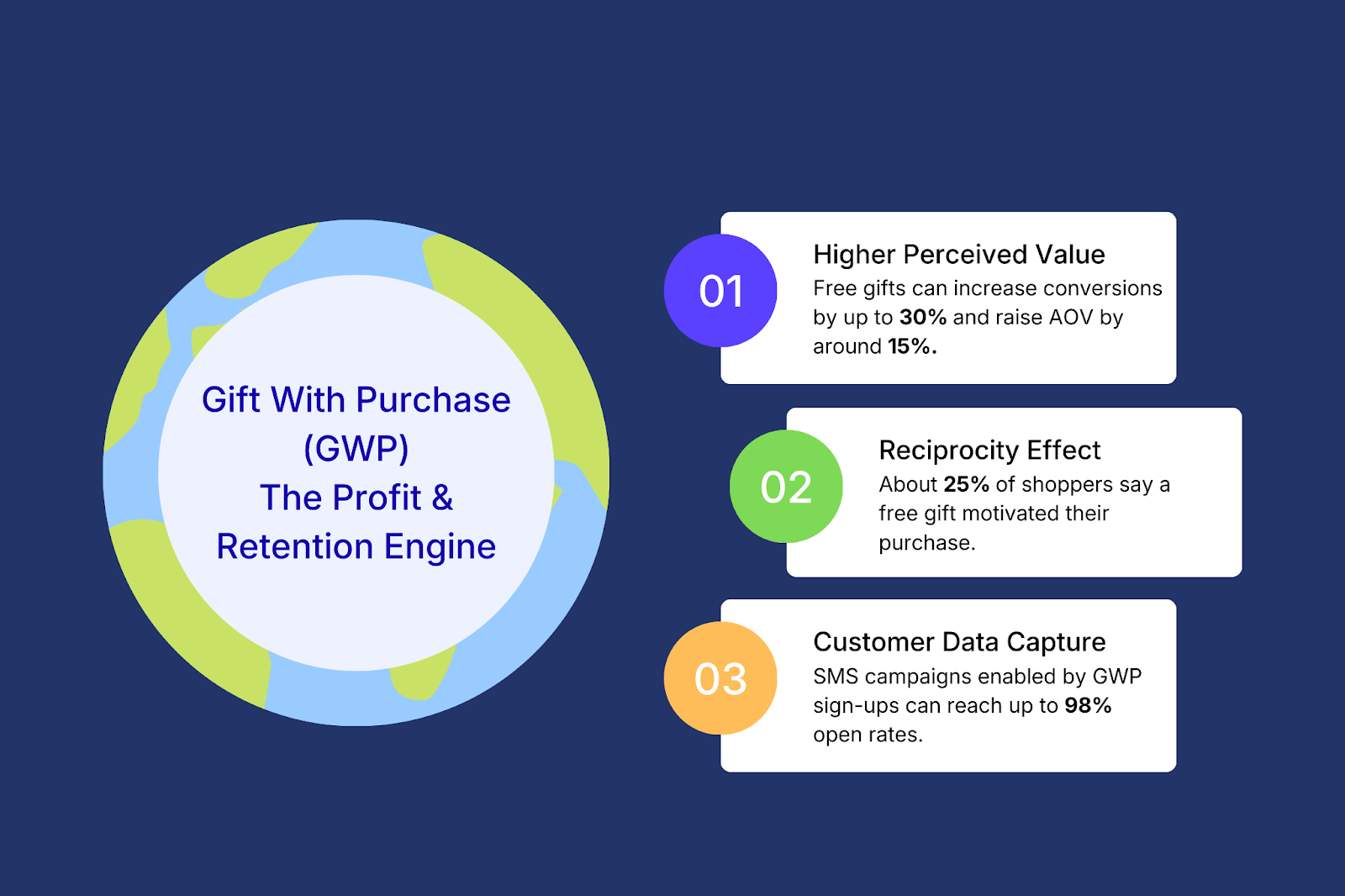
Higher Perceived Value Without Margin Loss
Discounts reduce revenue immediately. For example, a 20% discount directly cuts into your profit on every order.
A free gift works differently. The value customers perceive is often much higher than the cost of producing the item. A branded cosmetic bag might cost you $5 to produce, but customers may see it as worth $25.
This difference allows you to offer something meaningful without lowering your prices. In many cases, this perceived value can increase conversions by nearly 30% and raise order values by around 15%.
The Reciprocity Effect Builds Loyalty
Psychologist Robert B. Cialdini identified the principle of reciprocity, which holds that people naturally feel inclined to return a favor after receiving a favor first. When customers receive a free gift, it creates a positive emotional response and a sense of appreciation toward the brand.
This psychological effect also translates into real buying behavior. Retail research shows that 25% of shoppers have made a purchase specifically because a free gift was included.
Free Gifts Help Capture Customer Data
Getting customers to join your marketing list is becoming increasingly difficult. Most shoppers ignore generic pop-ups asking them to subscribe.
However, offering a free product in exchange for an email or phone number is much more compelling. Many customers are willing to share their contact information when they receive something tangible in return.
Once you collect that data, you gain direct access to high-performing channels like SMS, where open rates can reach around 98%. This allows you to run automated campaigns and drive repeat purchases without relying heavily on paid ads.
7 Gift With Purchase Strategies to Scale AOV and CLV
#1 The "Progressive Threshold" Method (Tiered GWP)
The Progressive Threshold method uses multiple spending tiers to unlock increasingly valuable gifts. For example, a shopper might receive a free sample when their cart reaches $75, and a full-size product when they spend $120.
Free Gift With Purchase strategy works because of the goal gradient effect, a theory proposed by psychologist Clark Hull, which shows that people increase their effort as they get closer to a reward. Early experiments found that animals moved faster as they approached food at the end of a maze, and later research confirmed the same behavior in consumers. In e-commerce, showing shoppers how close they are to unlocking a free gift can motivate them to add another item to their cart.
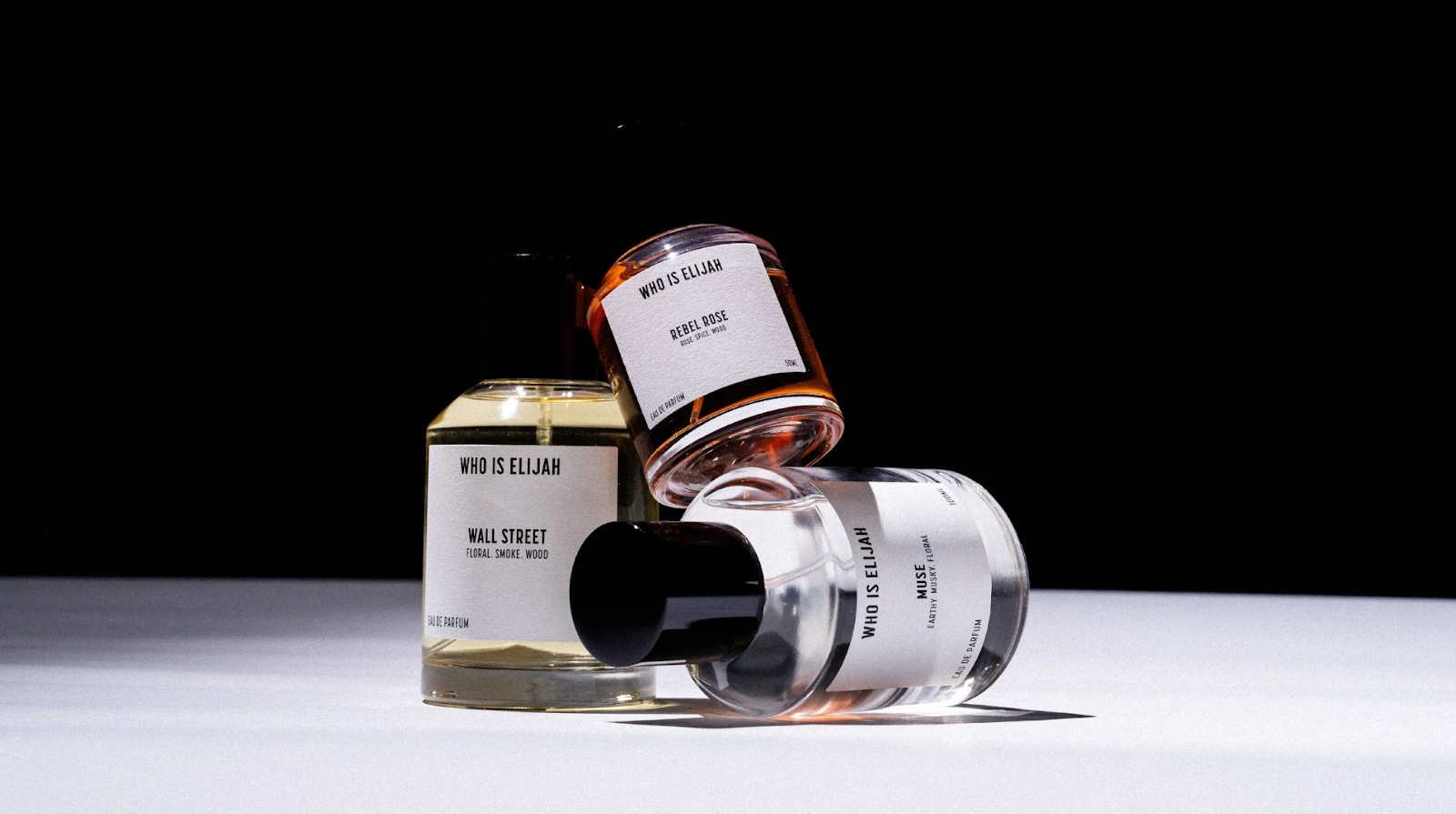
A good example comes from fragrance brand WHO IS ELIJAH, which ran a two-tier gift with purchase campaign during Black Friday. Customers who reached the first spending threshold received a free scent automatically added to their cart, while those who spent more unlocked a more valuable reward. The campaign helped increase AOV by 46%, rising from $86 to $126.
Source: Shopify
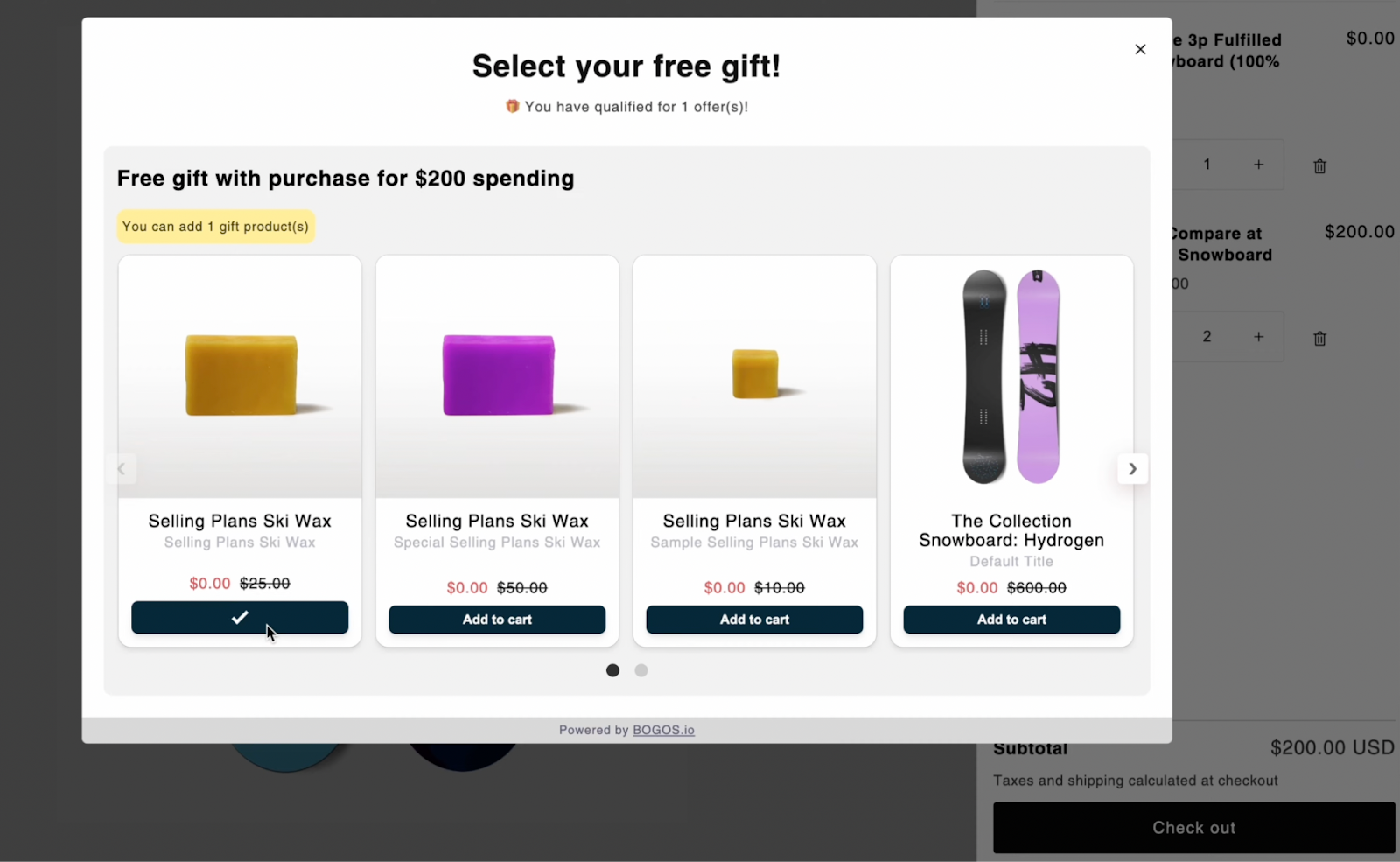
💡 Tool recommendation: To execute this progressive logic without custom coding, we highly recommend using BOGOS (5.0 ⭐3,370+ reviews) to automate your Gift With Purchase campaigns. This app is incredibly powerful because it gives you granular control over exact offering conditions:
Set triggers based on total cart value, specific cart quantity, or the purchase of specific products/collections.
Enable auto-add to cart for single gifts, or trigger a multi-gift pop-up letting customers choose their reward.
Drive site-wide urgency using a fully customizable Gift Slider and a floating "Today’s Offer" widget.
For the best results, set your first free gift threshold 15-20% above your current average order value, and display low-cost "cart filler" items nearby so shoppers can effortlessly hit the goal.
#2 App-Exclusive & Push-Driven Gifts
This strategy offers gift-with-purchase rewards only through owned channels, such as your mobile app or a specific SMS link. For example, a brand might run a promotion like: “Spend $80 in the app and receive a free limited-edition tea tin.” Customers who shop on the website do not see the offer, but those who open the mobile app or tap the SMS link automatically unlock the gift once the cart threshold is reached.
The reason this works is that owned channels, like mobile apps, give brands direct and repeat access to customers without paying for every interaction. Push notifications are particularly powerful at driving action. In fact, research shows that mobile push notifications are about 181.5% more likely to trigger a purchase than paid ads and 94.9% more likely than SMS messages.
Tea brand Snarky Tea applied this strategy during Black Friday by launching an app-only GWP campaign. Customers shopping through the mobile app received free gifts once they reached specific cart thresholds. The campaign increased app engagement and lifted AOV by around 40%, making the mobile app the brand’s top-performing sales channel.
💡 Pro tips:
Use deep links in SMS so the gift is automatically added to the cart when customers tap the link.
Add a website pop-up encouraging visitors to download the app to unlock a secret gift.
Include clear images of the free gift inside push notifications to increase open rates.
Promote the app-exclusive reward across email and social to accelerate app adoption.
#3 Subscription & Lifecycle Triggers
This strategy uses gift-with-purchase rewards at key lifecycle moments, such as the 3rd or 4th subscription delivery or a customer’s birthday.
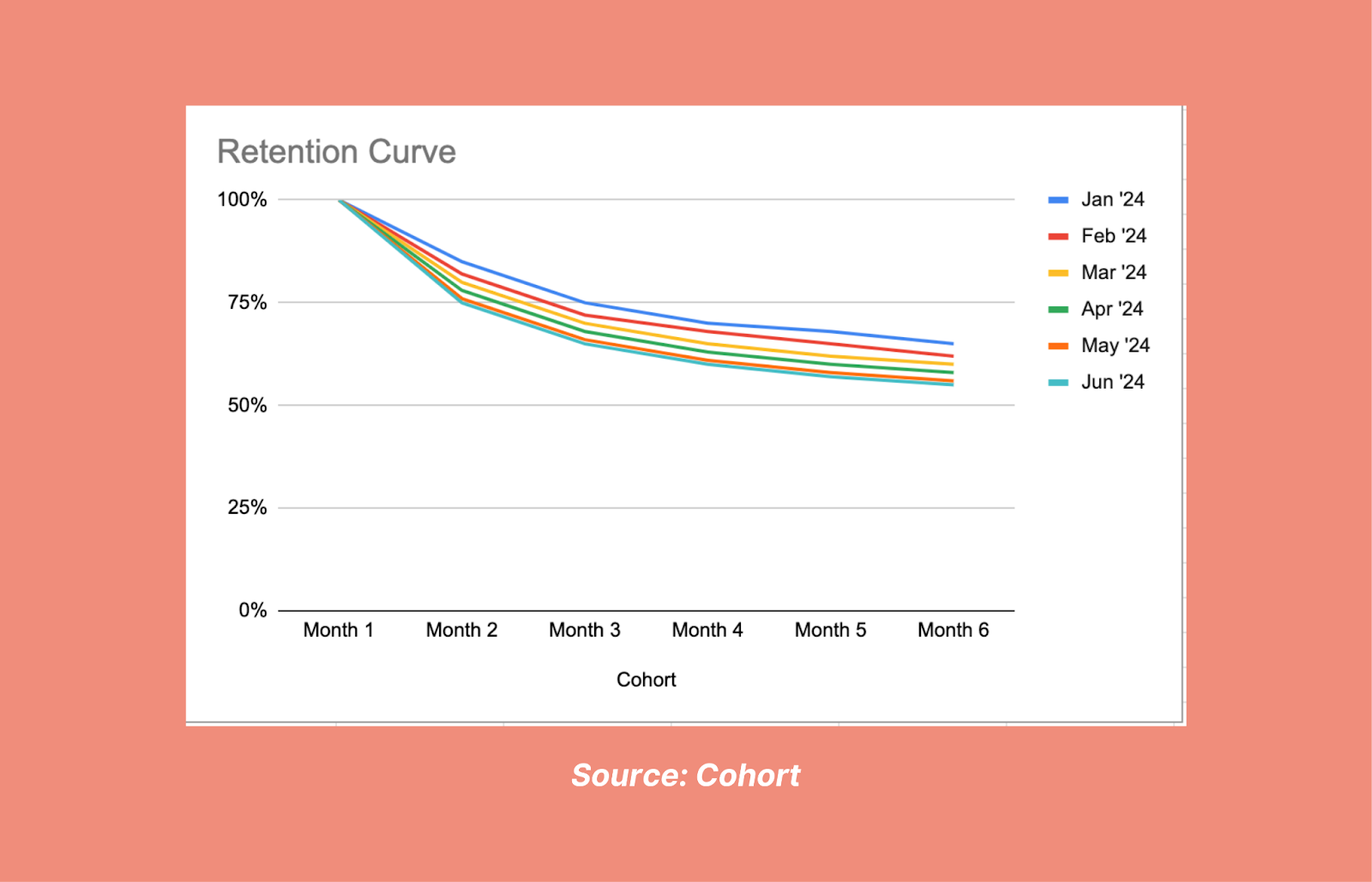
The reason this works is that most subscription churn happens early in the lifecycle. Cohort analysis shows that the highest churn occurs in months 1–2 (15–29%), followed by months 2–3 (7–10%). After month 4, churn drops significantly to around 2–5% per month, meaning customers who pass this stage are much more likely to stay long term. A surprise gift around the third or fourth cycle helps push customers past this high-risk churn window.
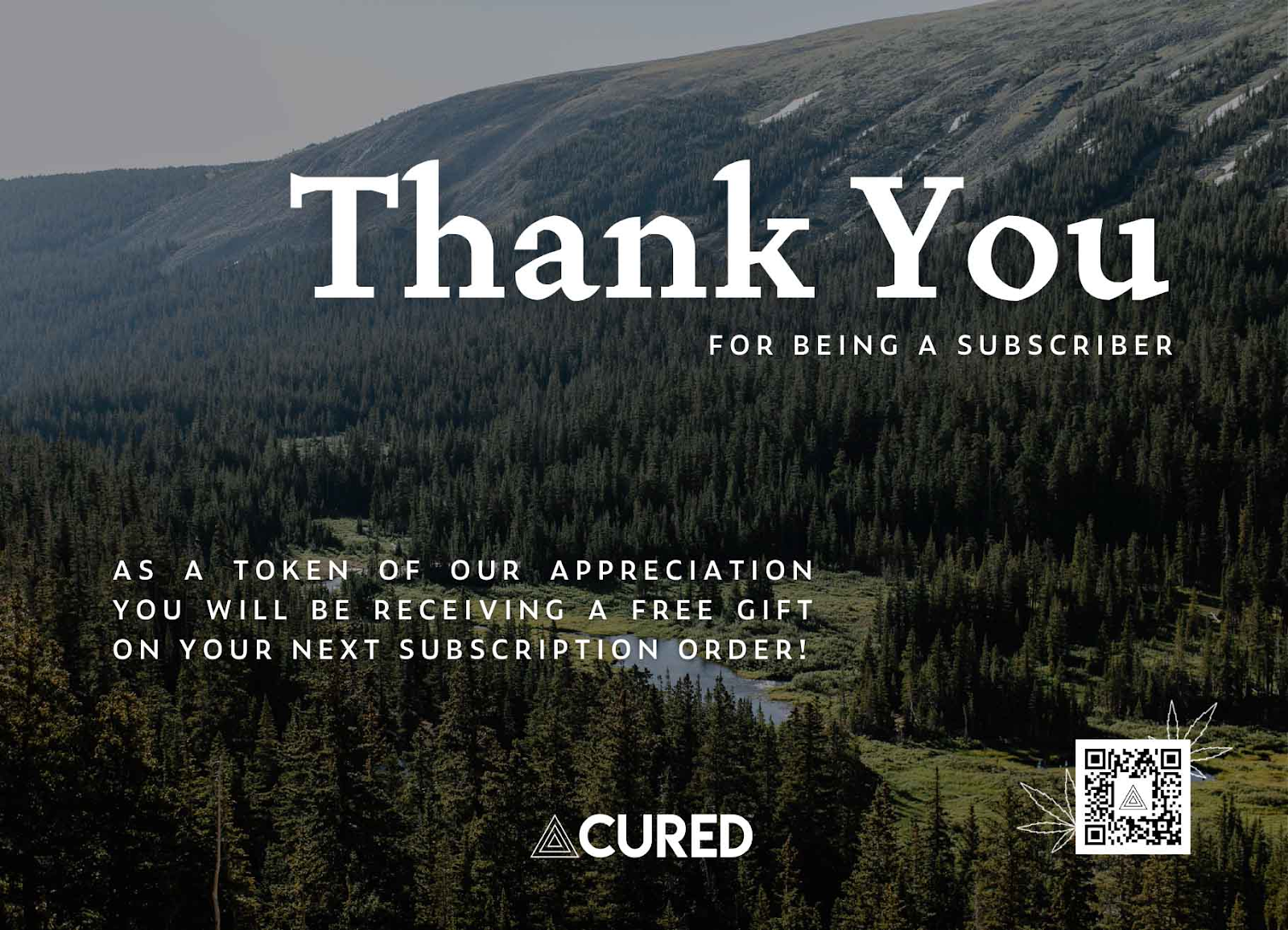
Wellness brand Cured Nutrition used this approach by adding a free gift to the fourth subscription order after identifying that many customers canceled after the third cycle. The campaign increased subscriber retention by over 16% and helped grow subscription revenue by 24%.
Source: autoship
💡 Pro tips:
Tease the reward early. For example: “Just one more delivery to unlock your exclusive gift.”
Choose a complementary product that enhances the items customers already subscribe to.
Add a personalized message inside the package
Automate the reward based on subscription cycle milestones so the gift appears at exactly the right moment.
#4 Loyalty-Tier Integration (VIP Only Drops)
This strategy ties GWP rewards to loyalty tiers instead of offering them to everyone. For example, a brand might offer a basic sample to all shoppers but reserve premium gifts, such as a deluxe product, a limited-edition item, or exclusive merchandise, only for customers who have reached VIP status in the loyalty program.
This works effectively as it turns GWP into a long-term motivation. Customers know that the best rewards are available only to higher tiers, which encourages them to keep spending to unlock or maintain those benefits.
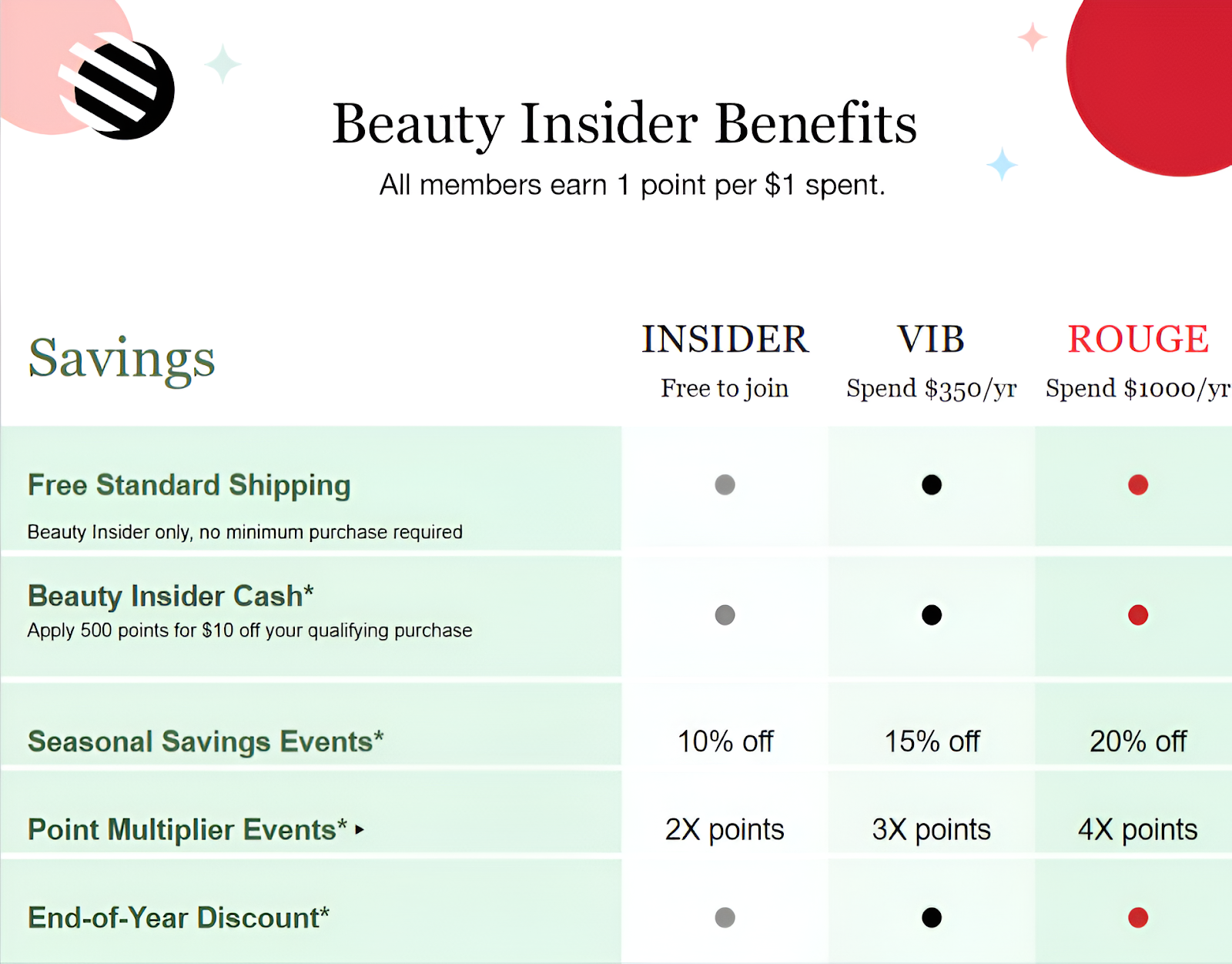
A well-known example is Sephora’s Beauty Insider program. The brand offers different rewards depending on tier level (Insider, VIB, Rouge). Top-tier Rouge members gain access to the most valuable gifts, exclusive product drops, and premium samples through the Rewards Bazaar. This tier-based reward system plays a major role in engagement, with Beauty Insider members generating about 80% of Sephora’s transactions.
Source: Nudge
💡 Pro tips:
Show VIP-only gifts to regular customers, but visually lock them to trigger curiosity and FOMO.
Use limited-edition or brand collaboration items as VIP rewards to increase perceived value.
Allow customers to redeem loyalty points for specific GWP gifts instead of forcing a single reward.
Send milestone emails like “Only $50 more to unlock VIP rewards” to encourage customers to move to the next tier.
#5 Cross-Category Discovery Samples
This strategy includes a free sample from a completely different product category than what the customer purchased. For example, a shopper buying a facial cleanser might receive a hair serum sample or a mini moisturizer in the same order. The goal is to introduce customers to products they would not normally search for.
The reason this works is that product sampling reduces the risk of trying something new. Research shows that receiving a product sample can increase purchase probability by up to 300%, as customers can experience the product before committing to the full-size version.
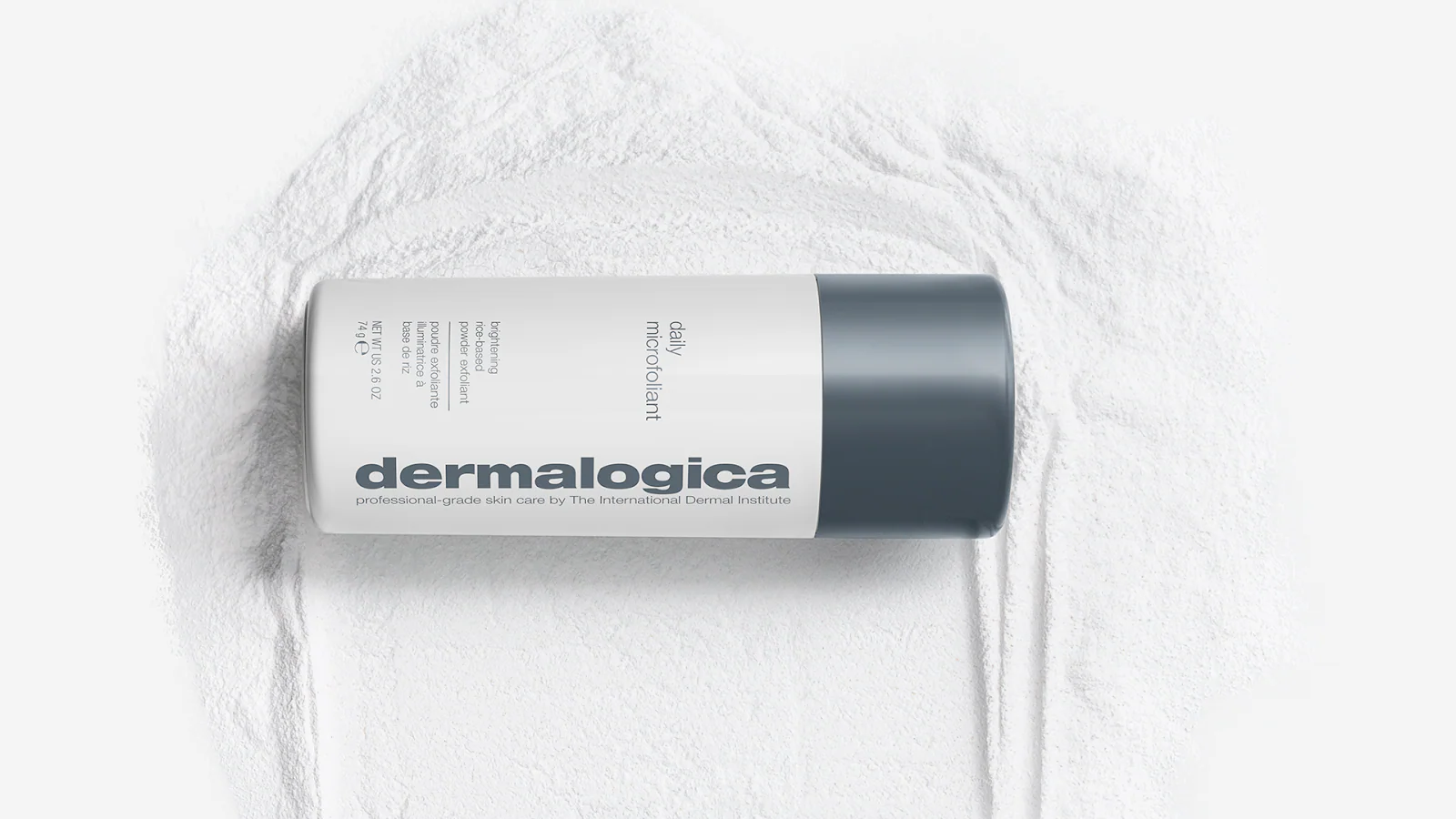
A good example is Dermalogica, which used Shopify Flow to automatically add recommended product samples into customer orders. By analyzing which combinations converted best, the system could insert the most relevant cross-category sample for each purchase. This approach helped introduce customers to new product lines and encouraged them to return later to buy the full-size version.
Source: Shopify
💡 Pro tips:
Choose samples from high-margin products or items that run out quickly so customers repurchase sooner.
Send a follow-up email about 7 days after delivery, asking how they liked the sample and including a link to the full-size product.
Match samples with related needs, not random categories, so the recommendation feels intentional.
Use automation tools to rotate different samples and learn which combinations drive the most repeat purchases.
#6 Post-Purchase GWP as a Retention Loop
Post-purchase GWP places the gift after the transaction is completed, either on the Thank You page or inside the delivered package.
This works because of the peak-end rule, a behavioral psychology principle that shows people judge experiences largely by the most intense moment and how the experience ends. By placing a surprise gift at the end of the shopping journey, brands create a positive final memory that customers associate with the brand.
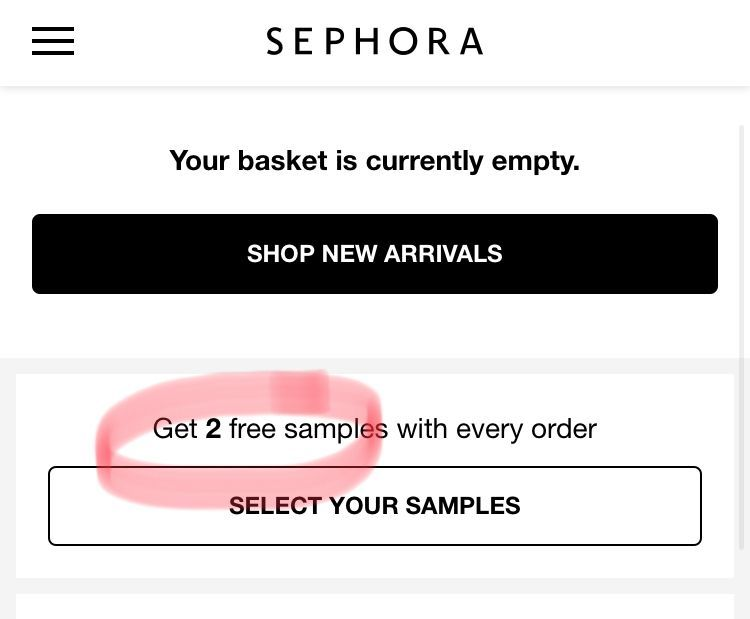
A well-known example is Sephora, which includes free product samples in almost every order. These small surprises serve both as product discovery tools and as retention mechanisms. Over time, this strategy helped build a massive loyalty ecosystem. Today, members of Sephora’s Beauty Insider program generate over 80% of the company’s annual sales, showing how repeated sampling and post-purchase surprises reinforce long-term buying behavior.
💡 Pro tips:
Add a post-purchase offer on the Thank You page, such as “Unlock a free gift on your next order.” This keeps the next purchase top of mind immediately after checkout.
Include a small QR code with the sample so customers can reorder the full-size product in one tap.
Segment the gifts by order value. Smaller orders receive samples, while high-value customers receive premium gifts like branded merchandise or tote bags.
#7 AI-Driven Personalization & Smart GWP
AI-driven GWP works by analyzing browsing behavior, purchase history, and cart content to predict what a shopper is most likely to value. Instead of offering the same free gift to everyone, AI selects a product that matches the customer’s interests and automatically adds it to the cart. This makes the reward feel personalized rather than promotional.
Large brands are already applying the same principle in different ways:
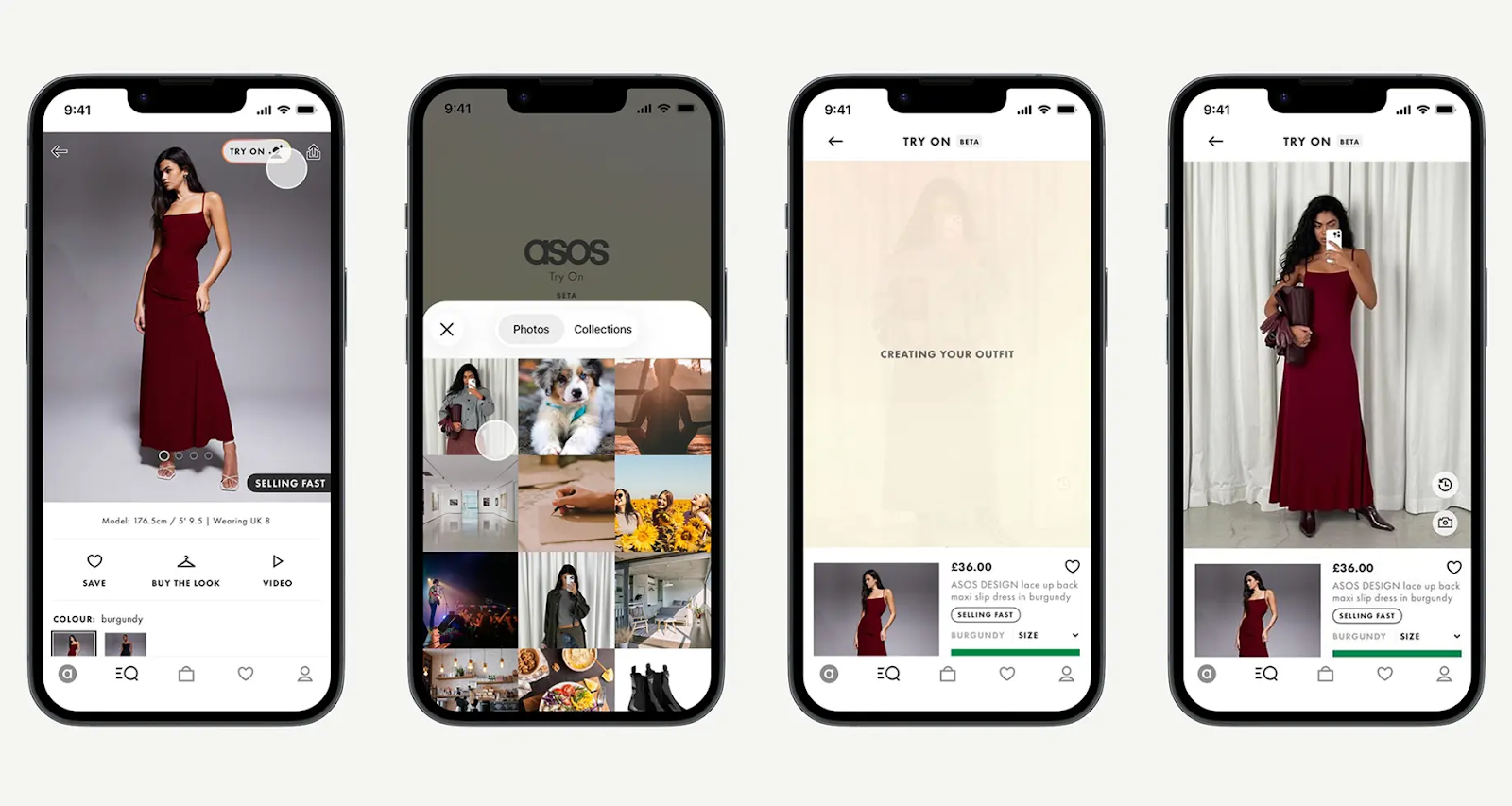
ASOS launched an AI styling tool called “Styled for You” that analyzes customer browsing behavior, purchase history, and style preferences to recommend personalized outfits and products for each shopper.
Source: ASOS plc
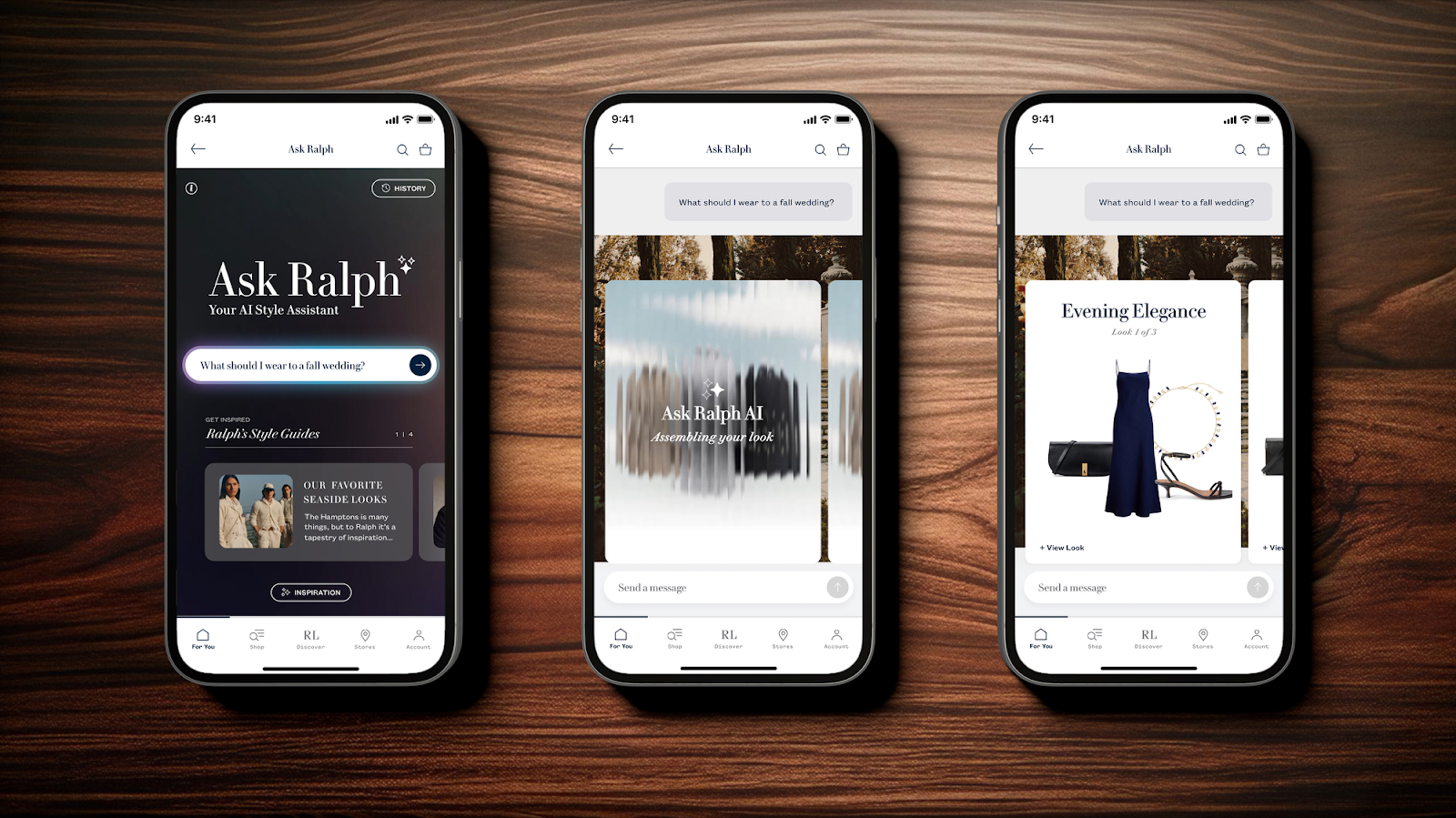
Ralph Lauren introduced “Ask Ralph”, a generative AI shopping assistant that acts like a virtual stylist by recommending full outfits based on customer preferences, browsing activity, and product catalog data.
Source: WWD
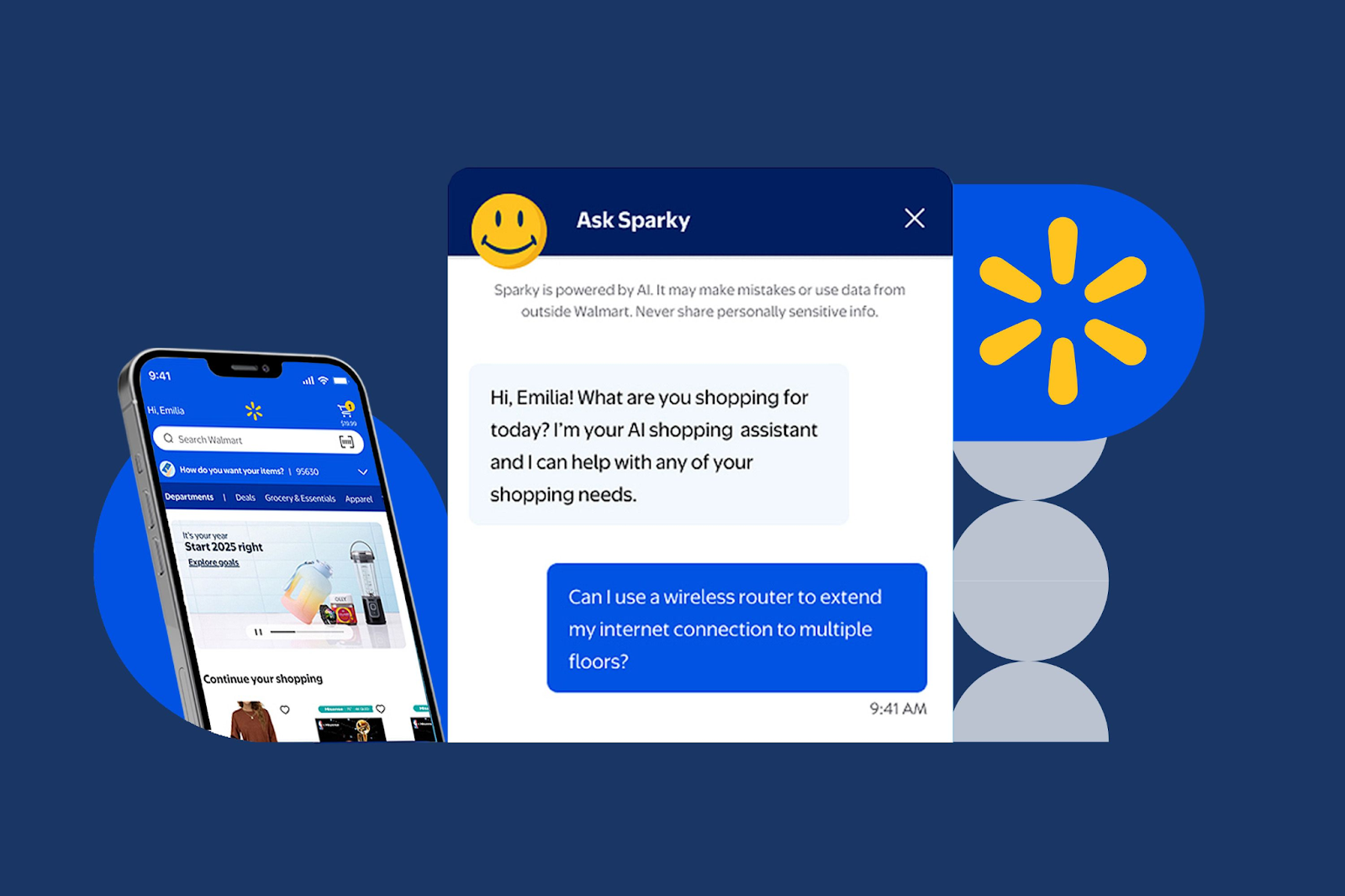
Walmart deployed an AI shopping assistant called “Sparky” that summarizes reviews, compares products, and generates personalized product recommendations inside the Walmart app.
Source: Retail Brew
💡 Pro Tips (Tech Stack Recommendation):
Use dedicated personalization apps like Rebuy Engine or Nosto. These tools analyze browsing history and cart behavior in real time to instantly recommend the perfect gift for each individual shopper.
Do not let the AI work silently in the background. Optimize your cart user interface by displaying a clear message such as "This exclusive gift was selected specifically for your skincare profile" to maximize perceived value.
The Future of GWP: Owned Channels and Compounding Growth
In the future (and right now), the role of Gift With Purchase is evolving beyond a simple promotion. As paid acquisition becomes more expensive and privacy limits third-party tracking, it becomes a mechanism for collecting data, activating owned channels, and compounding CLV.
Zero-Party Data Collection
Source: Digioh
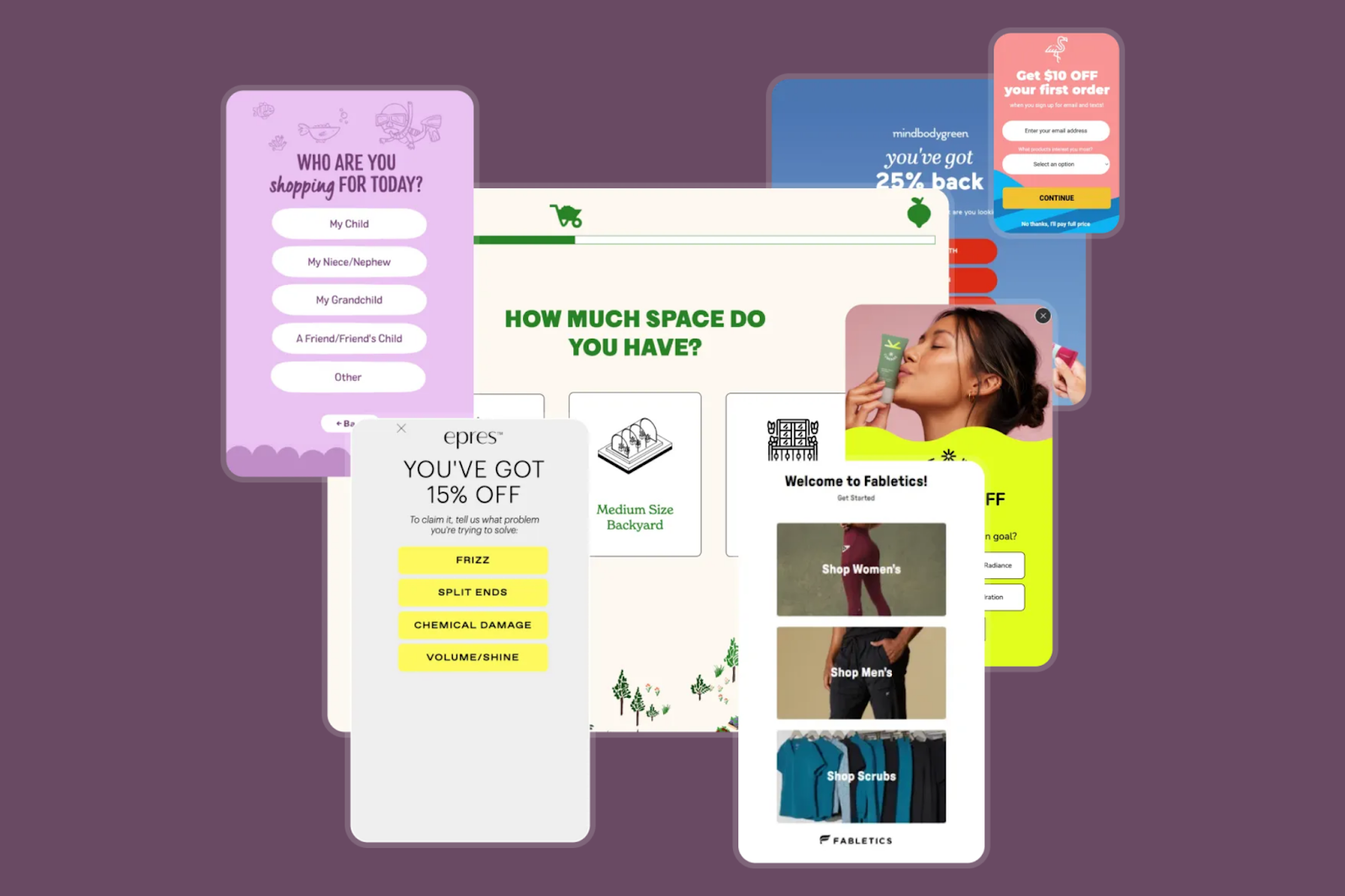
One of the most underestimated benefits of GWP is its ability to collect zero-party data. This is information that customers intentionally and proactively share with a brand, such as their email address, phone number, preferences, or product interests.
In a privacy-first internet where third-party cookies are disappearing, this type of voluntarily shared data is becoming the most valuable marketing asset. Because customers explicitly provide it, it is both highly accurate and compliant with modern privacy regulations.
The key insight is the value exchange. Customers are far more willing to share information when they receive something tangible in return (a free gift, an exclusive sample, or an early-access reward).
This is where GWP becomes strategically powerful.
From our perspective, this is one of the clearest shifts in e-commerce marketing: the future of acquisition is not just about traffic. It is data ownership.
Building Owned Channels
Owned channels (email, SMS, mobile apps, and loyalty programs) allow brands to communicate with customers without paying a platform tax for every interaction. While paid channels like Meta or Google require continuous spending to re-reach customers, owned channels allow repeated engagement at near-0 marginal cost.
This fundamentally changes the economics of growth.
A customer who enters the ecosystem through a GWP promotion can later be nurtured through:
SMS restock reminders
App-exclusive rewards
Personalized email recommendations
Loyalty program milestones
Each of these touchpoints increases purchase frequency without additional acquisition cost.
From a strategic standpoint, GWP becomes the entry point into the brand’s owned media ecosystem. Instead of relying on algorithms to reconnect with customers, brands build a direct communication layer that they fully control.
The Compounding Growth Effect
First, GWP increases Average Order Value (AOV). Customers often add extra items to reach the gift threshold.
Second, the gift itself (often a sample) acts as product discovery. Customers try something they would not normally purchase. If they like it, it creates a new product category in their buying habits.
This transforms a short-term promotion into a long-term demand generator.
In other words:
Immediate effect: Higher cart value.
Medium-term effect: Discovery of new products.
Long-term effect: Higher customer lifetime value.
The compounding impact becomes especially clear when retention improves. Research in customer economics shows that increasing customer retention by just 5% can increase profits by 25–95%, because returning customers purchase more frequently and require little acquisition cost.
When GWP is integrated with lifecycle marketing (email flows, SMS reminders, loyalty tiers), the gift becomes the first step in a self-reinforcing growth cycle: Gift → data → owned channel → repeat purchase → higher lifetime value.
Final Thought
Ultimately, the future of eCommerce growth lies in building genuine emotional connections, not just in competing on the lowest price. We love GWP campaigns because they let you generously reward your shoppers while also capturing the vital zero-party data you need to own your marketing channels. Start small by introducing a tiered threshold or a post-purchase surprise, and let the psychology of reciprocity do the rest.
FAQs
1. What is the best Shopify app to set up Gift With Purchase?
BOGOS is super good. It is built specifically to handle complex GWP logic without coding. You can easily set tiered spending thresholds, display a visual cart progress bar to motivate shoppers, and choose whether gifts are added automatically or selected via a customer pop-up.
2. Is it better to give a gift with every order or set a spending threshold?
Setting a spending threshold is generally better. Tying the gift to a specific cart value (like "Spend $75 to unlock") leverages the goal gradient effect, directly motivating shoppers to add more items to their cart and instantly increasing your AOV.
3. Should I give away my best-selling product as a free gift?
No. Giving away a core best-seller cannibalizes your own sales. Instead, use high-margin, low-cost accessories (like a branded tote bag) or sample sizes of complementary products to encourage discovery without hurting your main revenue drivers.
4. Should I run GWP offers continuously year-round?
No. Running GWP constantly trains your customers to expect freebies, thereby diminishing the perceived exclusivity. It is best to use them strategically during new product launches, holiday events, or as targeted lifecycle triggers to clear out slow-moving inventory.
5. Can I use GWP to reduce subscription cancellations?
Yes. The highest subscription churn typically happens in the first two to three months. Adding a surprise GWP to the third or fourth delivery cycle re-engages the customer and helps them move past the high-risk cancellation window.
Thank you! Your submission has been received!
Oops! Something went wrong while submitting the form.
This is some text inside of a div block.
"Looking for creative push notification ideas? Check out our free templates and start customizing!"




.png)



.png)