.png)
Discounts show up across almost every part of an ecommerce growth strategy. They help accelerate purchases during launches, create urgency during seasonal campaigns, and give customers an extra reason to complete a checkout.
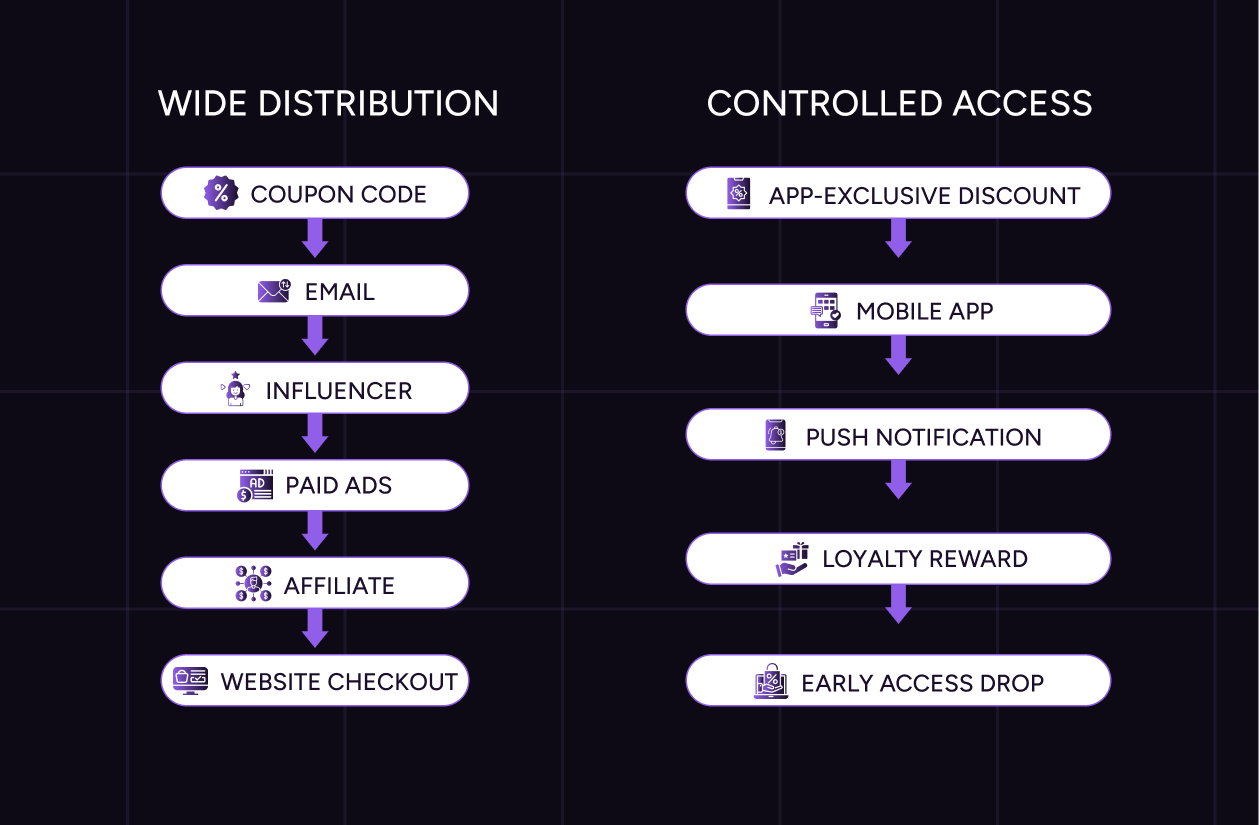
Most brands offer these incentives as coupon codes. Marketing teams include them within email campaigns, paid ads, influencer promotions, and affiliate partnerships since they are easy to distribute and simple for customers to apply at checkout.
Mobile apps offer a new way to structure these incentives: app-exclusive discounts. These offers are only accessible to customers who have chosen to stay connected with the brand through the app.
The two approaches operate very differently. Coupon codes move easily across campaigns and marketing channels, while app-exclusive incentives stay tied to the app and the customers who actively use it.
As more ecommerce brands invest in mobile apps as part of their retention strategy, one common question comes up: when should a discount be shared across campaigns, and when should it stay within the app?
This guide explores how coupon codes and app-exclusive discounts work, where each performs best, and how brands use both for better acquisition and retention.
Most ecommerce teams rely on discounting across the customer journey. For example, a promotion attached to an influencer campaign reaches new shoppers, a limited-time offer tied to a launch encourages faster purchasing, and loyalty incentives reward customers who return frequently.
The type of discount you offer influences who uses it and how.
Among the different discounting models, two formats appear most commonly in ecommerce: app-exclusive discounts and coupon codes. Each one supports a different moment in the customer lifecycle and shapes how customers interact with the brand.
The following sections break down how each discount model operates and where brands usually apply it.
App-exclusive discounts are offers available only inside a brand’s mobile app. Access depends on where the offer appears, rather than how the discount itself is structured.
Brands can present these incentives in several formats:
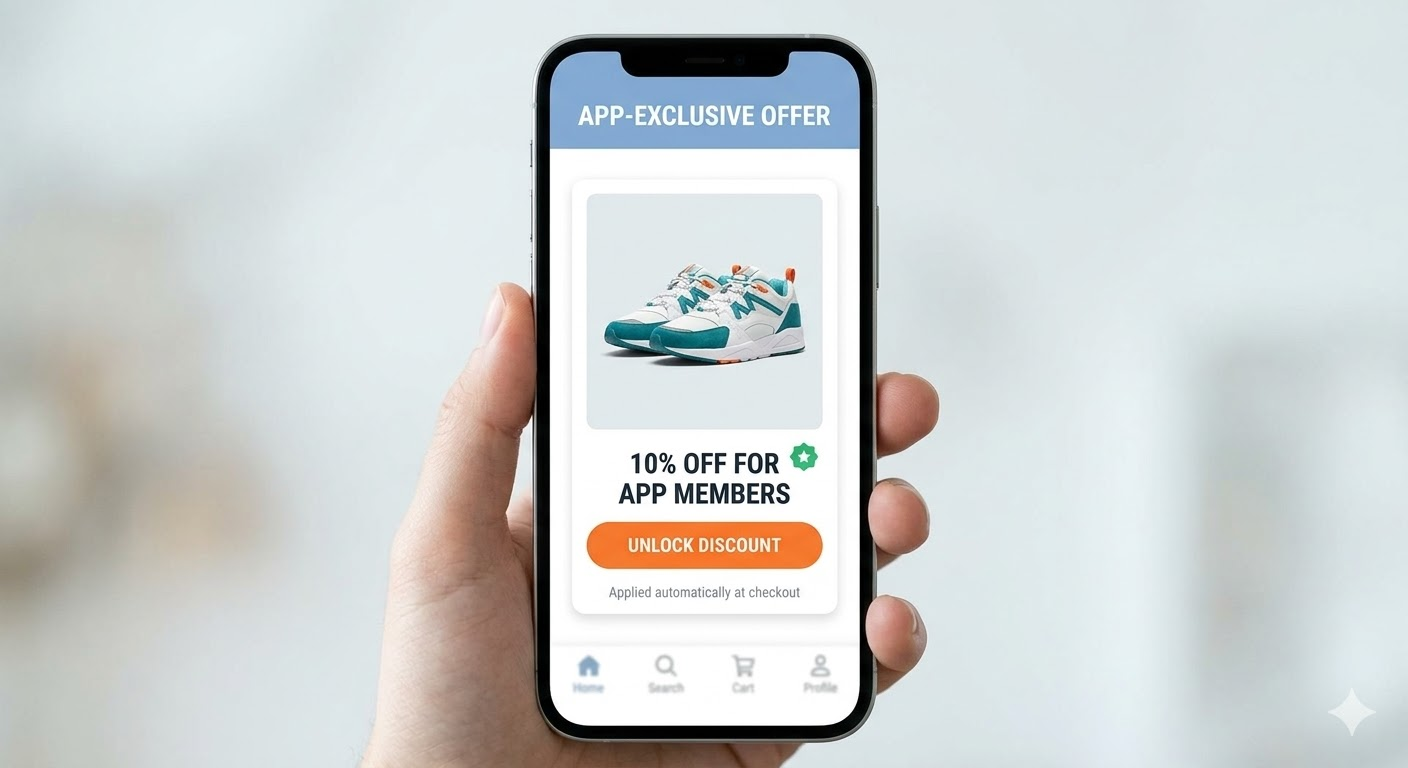
As these offers exist within the app environment, teams get precise control over who sees the incentive and when it appears. The discount becomes part of the broader experience customers encounter when they open the app.
This structure allows brands to encourage installs, reward repeat buyers, and anchor important moments such as launches or restocks inside the app. Customers begin to associate the app with access, recognition, and early opportunities.
Platforms such as Superfans.io help brands create app-exclusive incentives tied to loyalty status, customer segments, or specific events like product drops and restocks. Offers can appear automatically within the app experience, allowing teams to align incentives with customer behaviour without adding operational complexity.
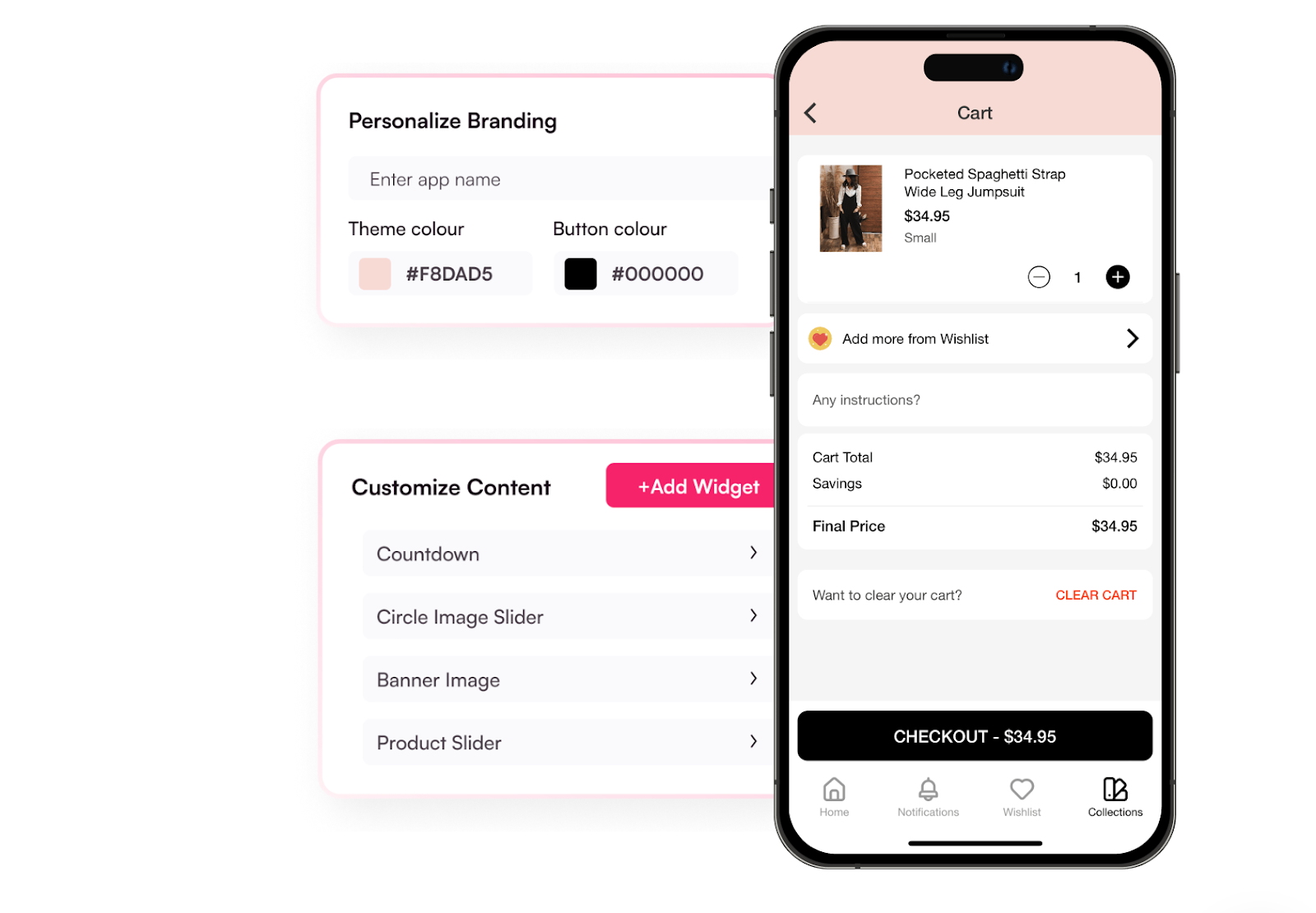
App-exclusive incentives perform well in situations where controlled access and repeat engagement matter most. Common scenarios include:
Each of these moments benefits from a defined audience and a persistent environment where customers return repeatedly. The app becomes the place where valuable opportunities appear first.
Coupon codes are one of the most familiar discount formats. Customers apply them during checkout by entering a specific code that unlocks a promotion.
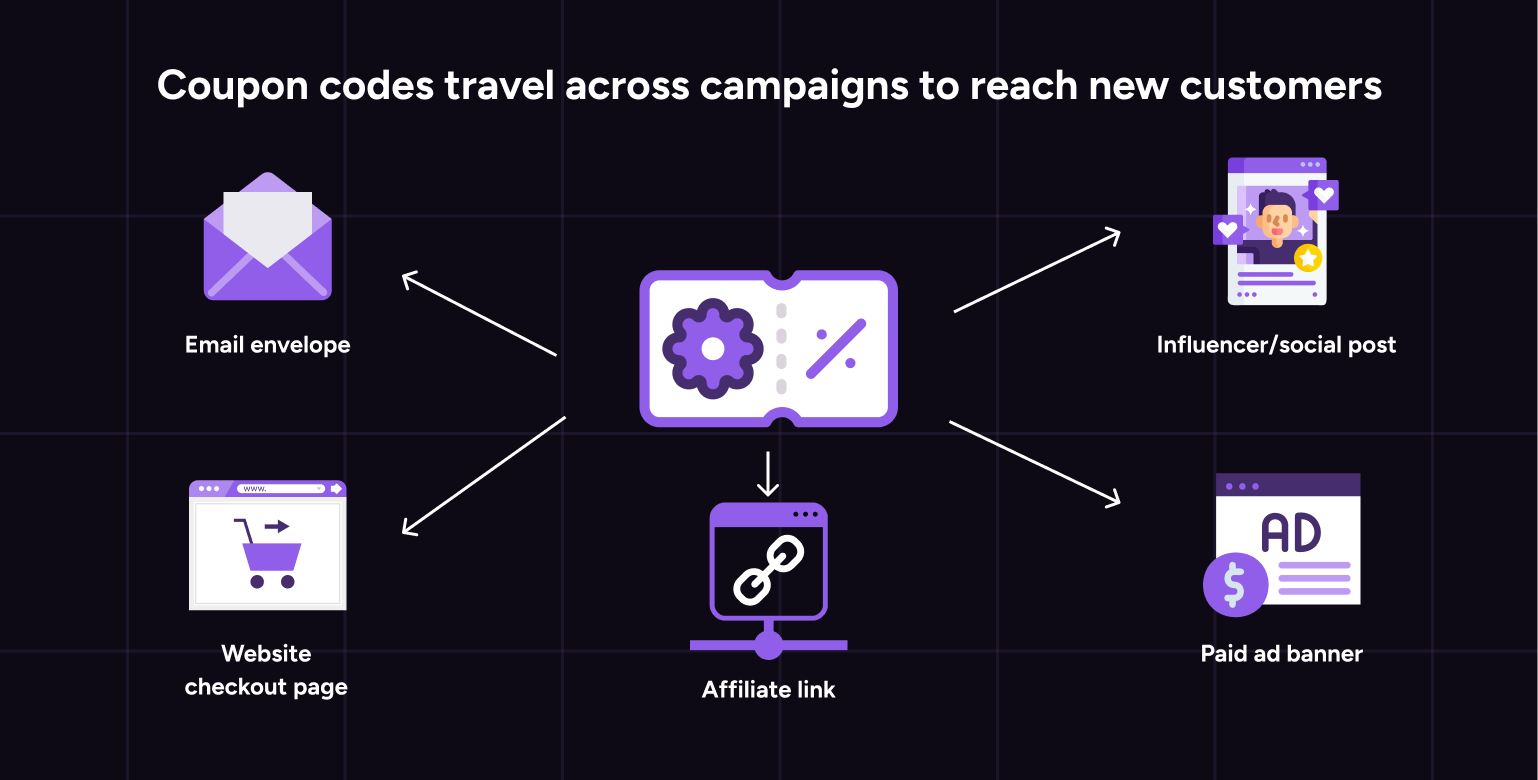
Since codes are easy to share, brands distribute them through different marketing channels:
This flexibility allows teams to attach a discount directly to a campaign and track how that promotion performs.
Coupon codes also provide a simple way to connect incentives with external audiences. Influencers can share codes with followers, affiliates can include them in referral campaigns, and paid ads can pair promotions with time-bound offers that accelerate purchasing decisions.
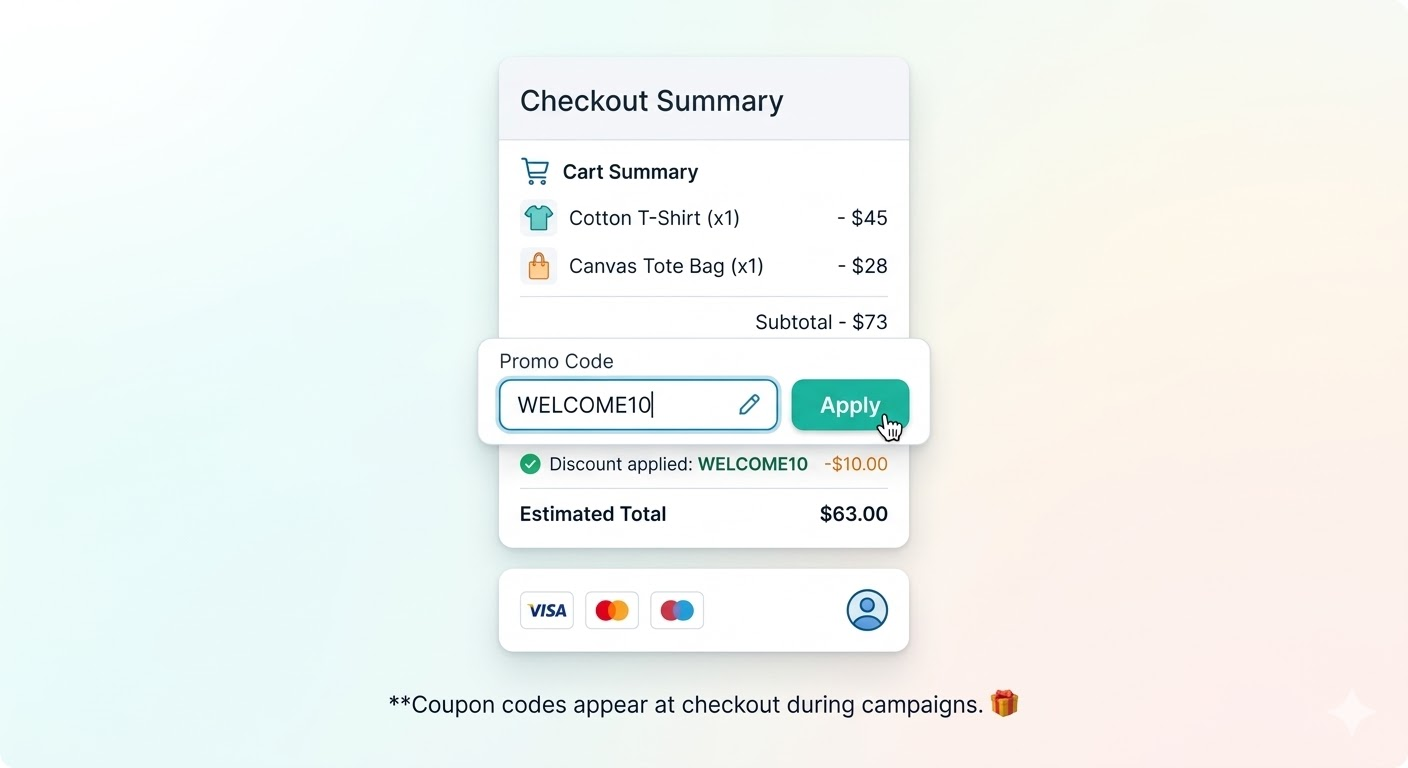
Coupon codes perform best in scenarios where broad reach and campaign distribution drive results. Common use cases include:
These campaigns rely on scale. The incentive moves easily across channels, helping the promotion reach new audiences and drive immediate conversions.
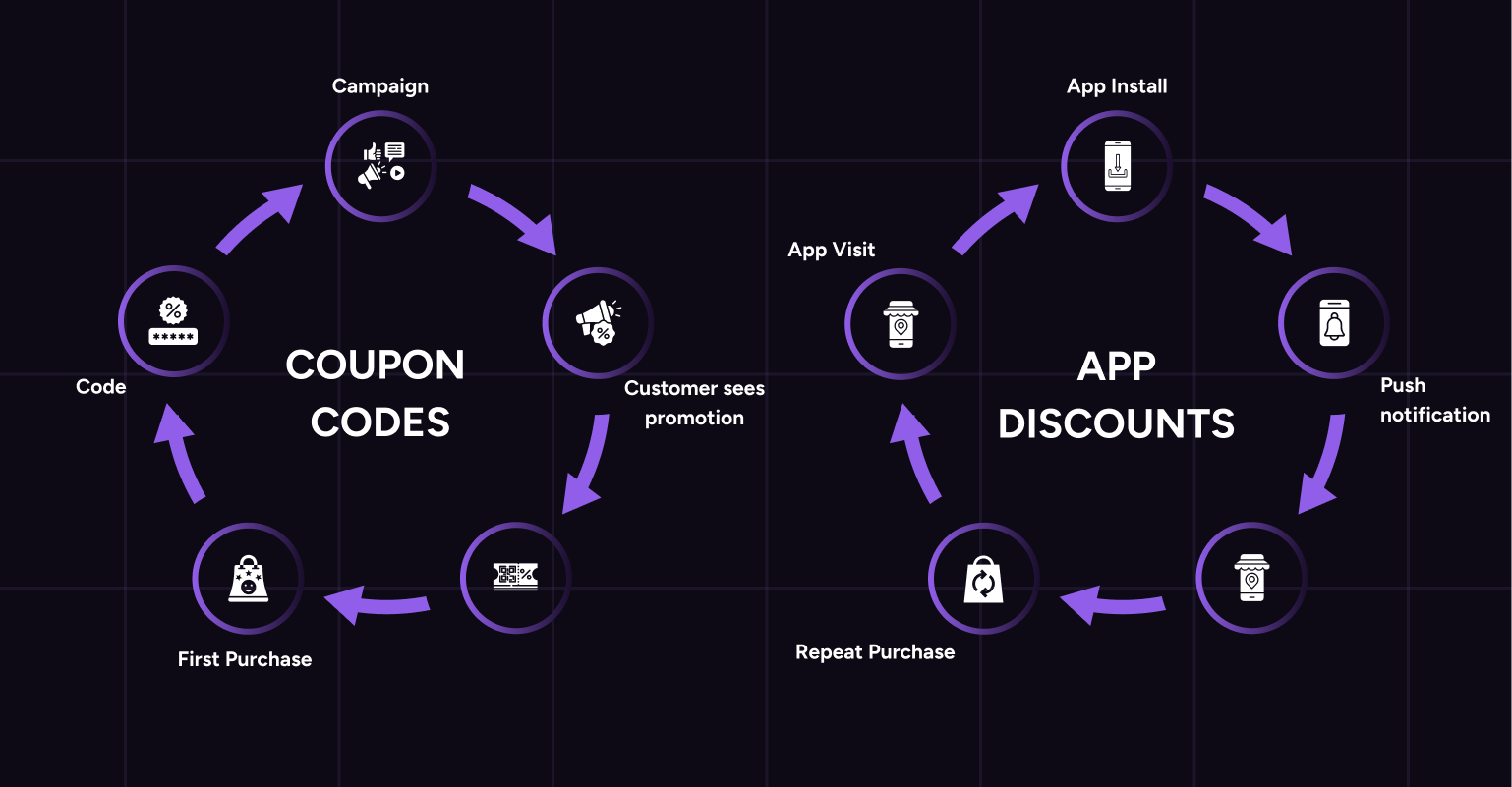
App-exclusive offers and coupon codes create very different behavioural patterns. One tends to concentrate engagement among customers who already know the brand, while the other spreads incentives across campaigns designed to attract new buyers.
Understanding these patterns helps ecommerce teams design discount strategies that support both acquisition and retention.
App-exclusive incentives reinforce engagement among customers who already interact with the brand through its mobile app. Since these offers appear within the app environment, they naturally align with launches, restocks, rewards, and other experiences that encourage customers to return.
Over time, this pattern strengthens repeat engagement and gives brands more structure around how incentives appear within the app experience.
Strengths
Limitations
Coupon codes tend to support campaign-driven purchasing behaviour. Since the format is simple and widely recognised, it integrates easily into marketing efforts that aim to attract new customers or activate large audiences.
Shoppers encounter these codes while browsing campaigns, promotions, or creator content and apply them at checkout to complete a purchase.
Strengths
Limitations
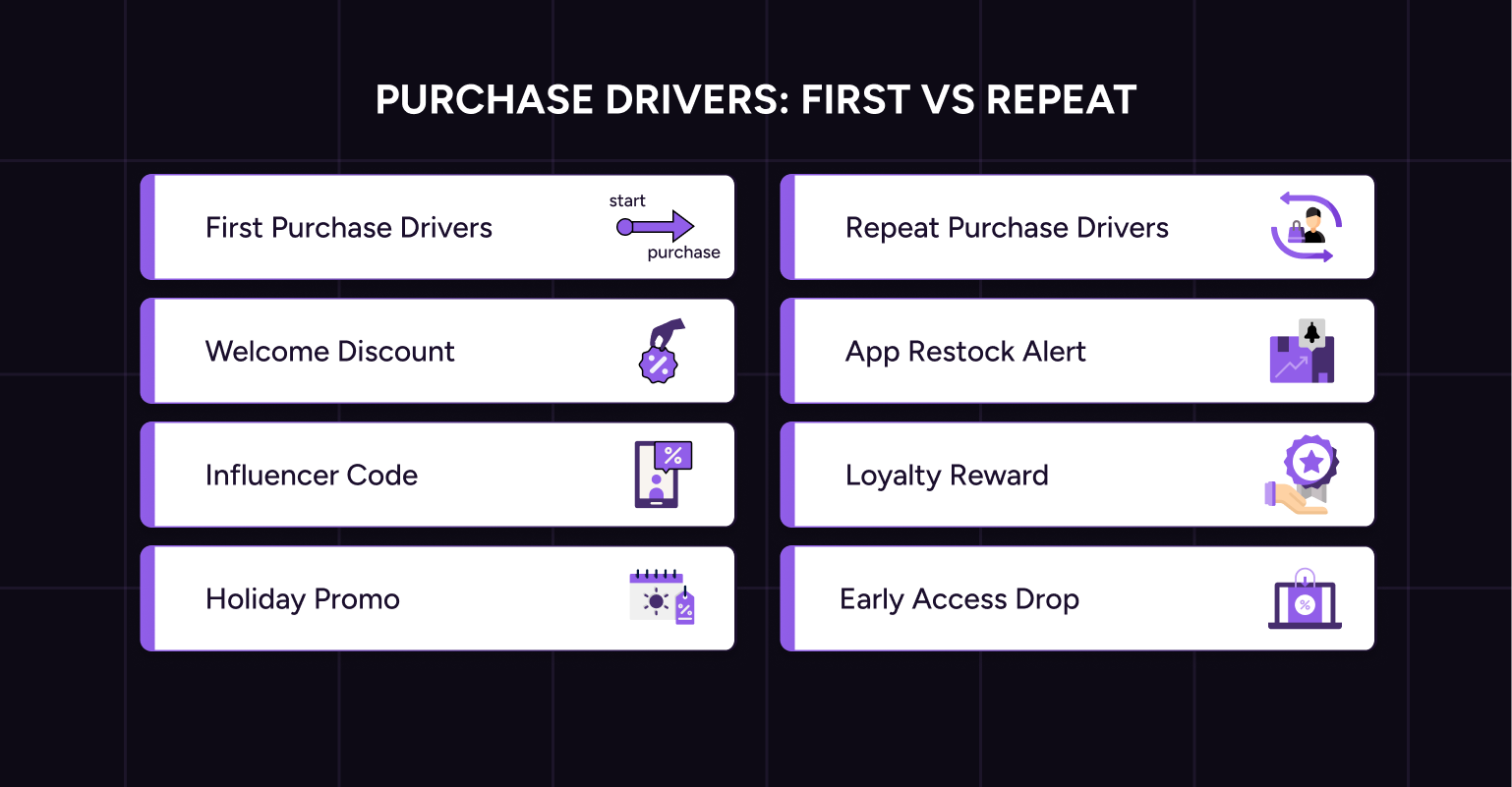
Both discount formats influence conversion, but they tend to shape different moments in the purchasing journey.
Coupon codes often help convert new shoppers during campaigns and promotions, while app-exclusive incentives strengthen purchasing patterns among customers who already engage with the brand.
Knowing where each format performs best helps clarify how brands structure incentives across acquisition and retention.
Coupon codes frequently appear in the first interaction that a customer has with a brand. When shoppers encounter a promotion during a campaign, a visible discount can provide the final push that moves them from browsing to completing checkout.
Since these codes travel easily across marketing channels, they fit naturally into acquisition funnels where brands introduce themselves to new audiences. You’ll often see coupon codes used in situations such as:
App-exclusive incentives influence behaviour later in the relationship. Once customers install a brand’s mobile app, the discount becomes part of the environment they return to for launches, new arrivals, and loyalty rewards.
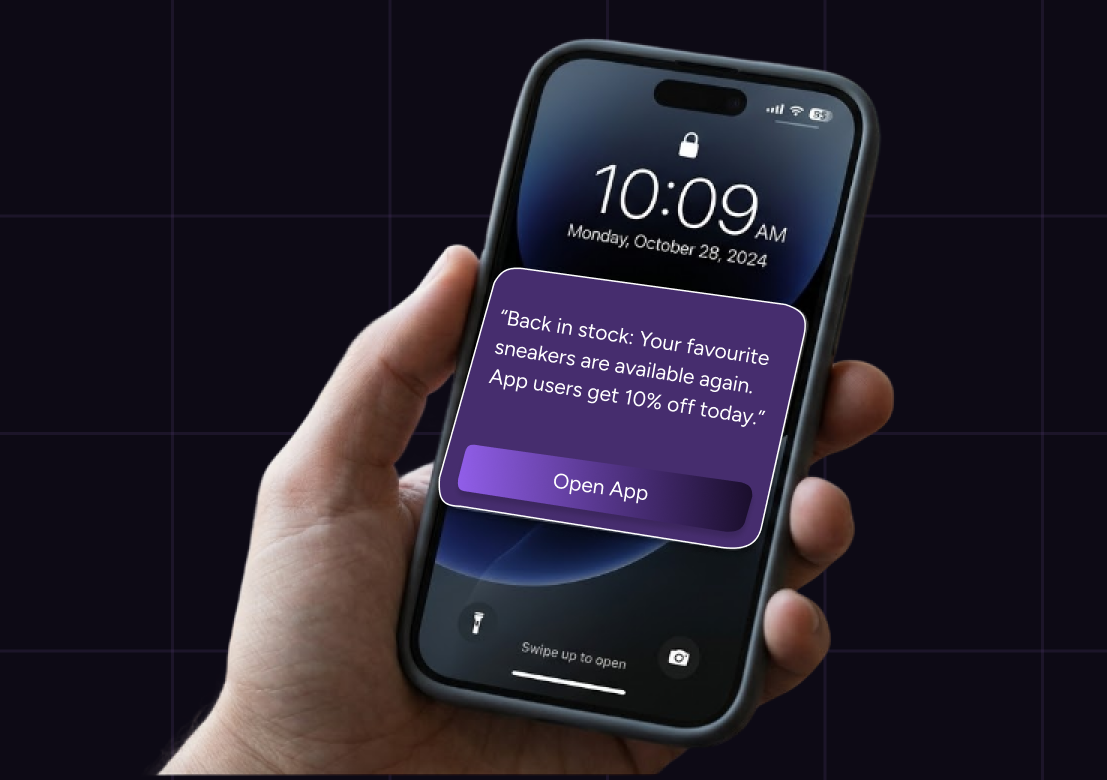
Brands can connect them to moments that encourage repeat visits, as these offers appear directly within the app experience. A restock notification might unlock an app-only discount, a loyalty milestone could trigger a reward, and a limited drop might offer early pricing for app users.
Over time, these incentives reinforce a pattern. Customers return to the app when they expect something new or exclusive to appear.
Common examples include:
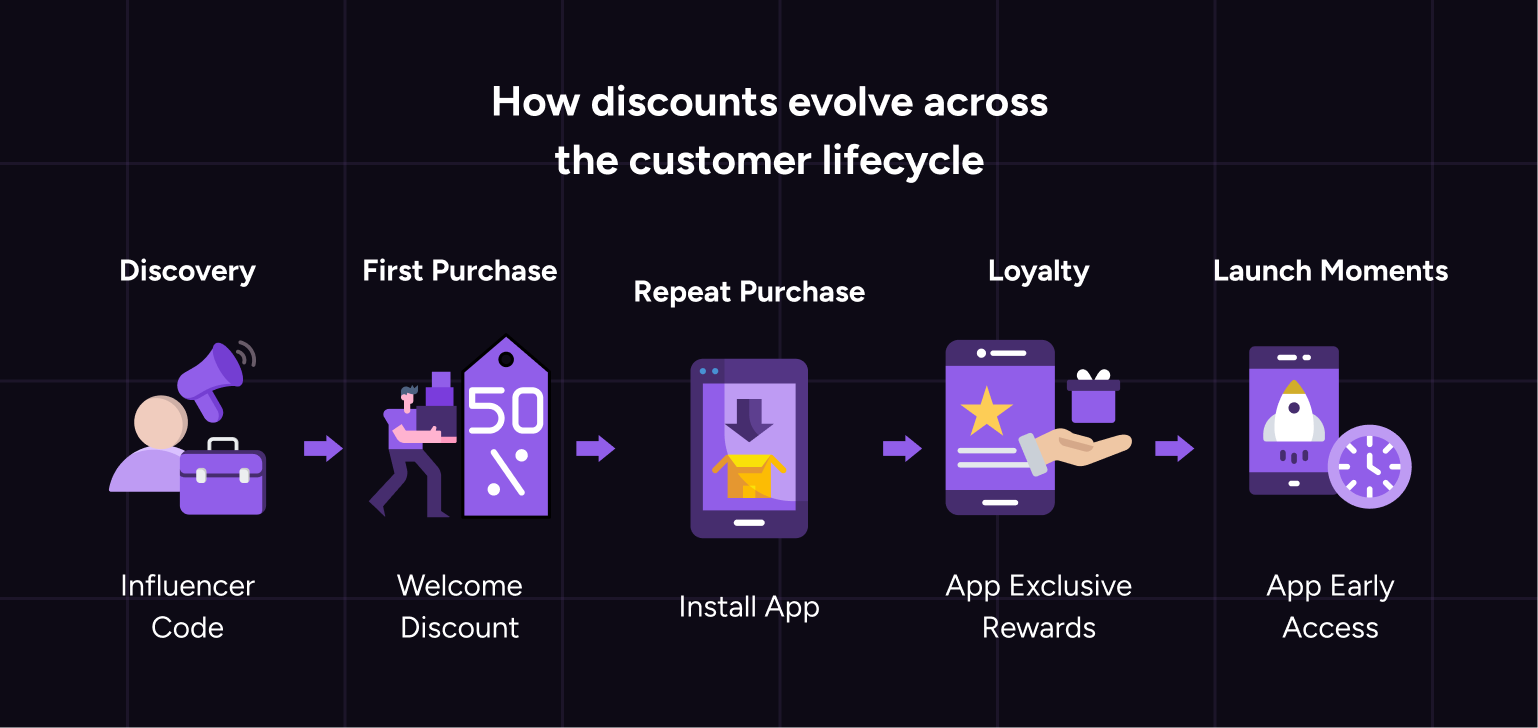
Most ecommerce teams eventually use both discount formats, but the difference lies in where each incentive appears in the customer journey. Coupon codes help introduce the brand and convert new shoppers, while app-based incentives shape how customers return and engage over time.
Instead of choosing one approach, many brands structure their incentives so each format supports a specific stage of growth: acquisition first and then repeat engagement. Here’s how to use this strategy:
Coupon codes often appear in the earliest interactions a shopper has with a brand. They are easy to attach to campaigns and spread naturally across marketing channels.
For example, a new subscriber might receive a welcome email with a first-order code shortly after signing up. Influencer promotions follow the same logic, where creators share a code that followers apply during checkout. Seasonal campaigns and holiday promotions frequently use the same structure to accelerate purchasing decisions.
In each case, the discount supports the same outcome: helping a new customer move from interest to their first order.
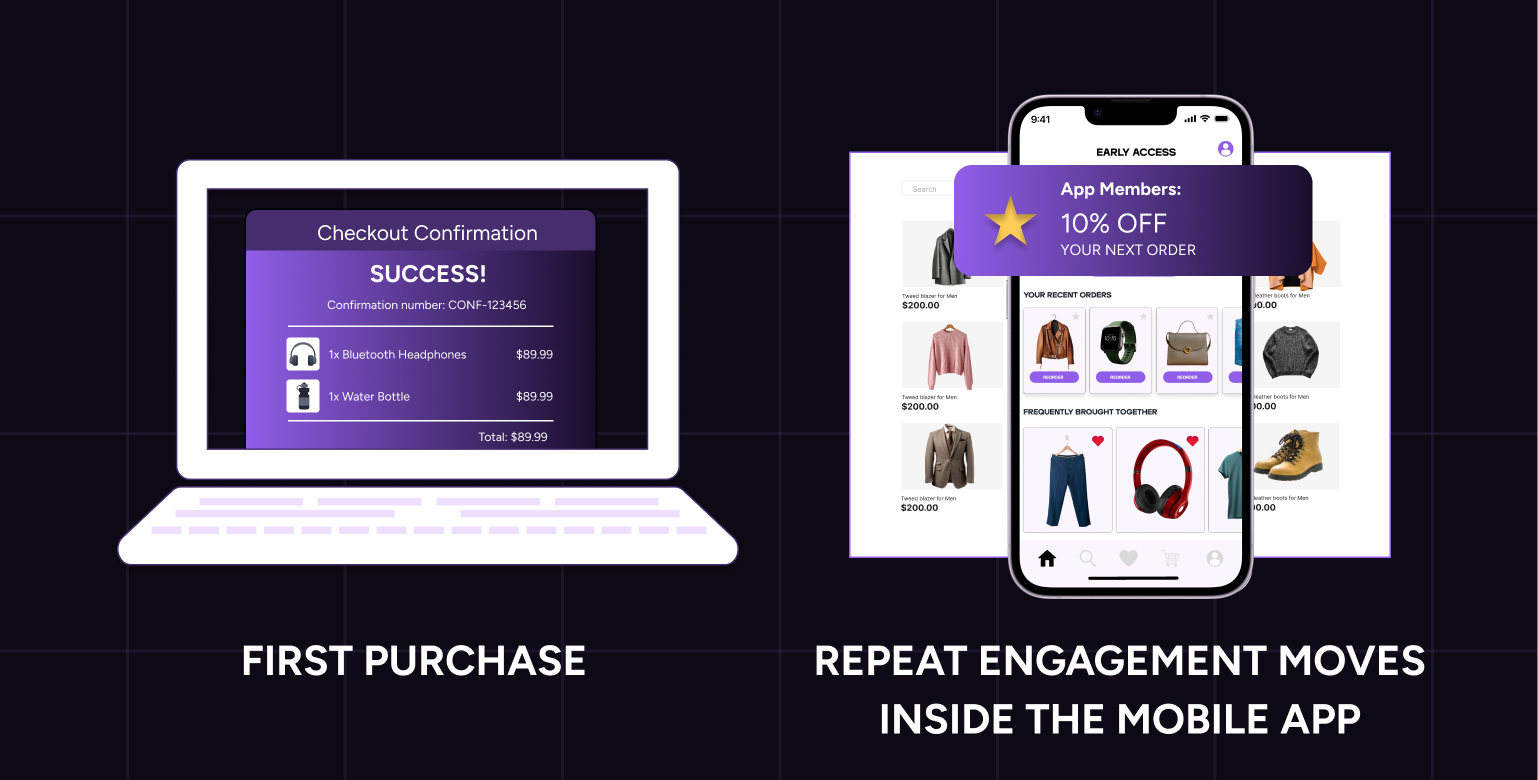
After the first purchase, brands begin encouraging customers to install their mobile app. The app creates a place where returning shoppers can see new arrivals, track loyalty progress, or access incentives that appear directly within the experience.
Offers tied to replenishment purchases, loyalty milestones, or upcoming collections give customers a reason to open the app again. Over time, these incentives encourage a habit of returning through the app rather than waiting for the next campaign email.
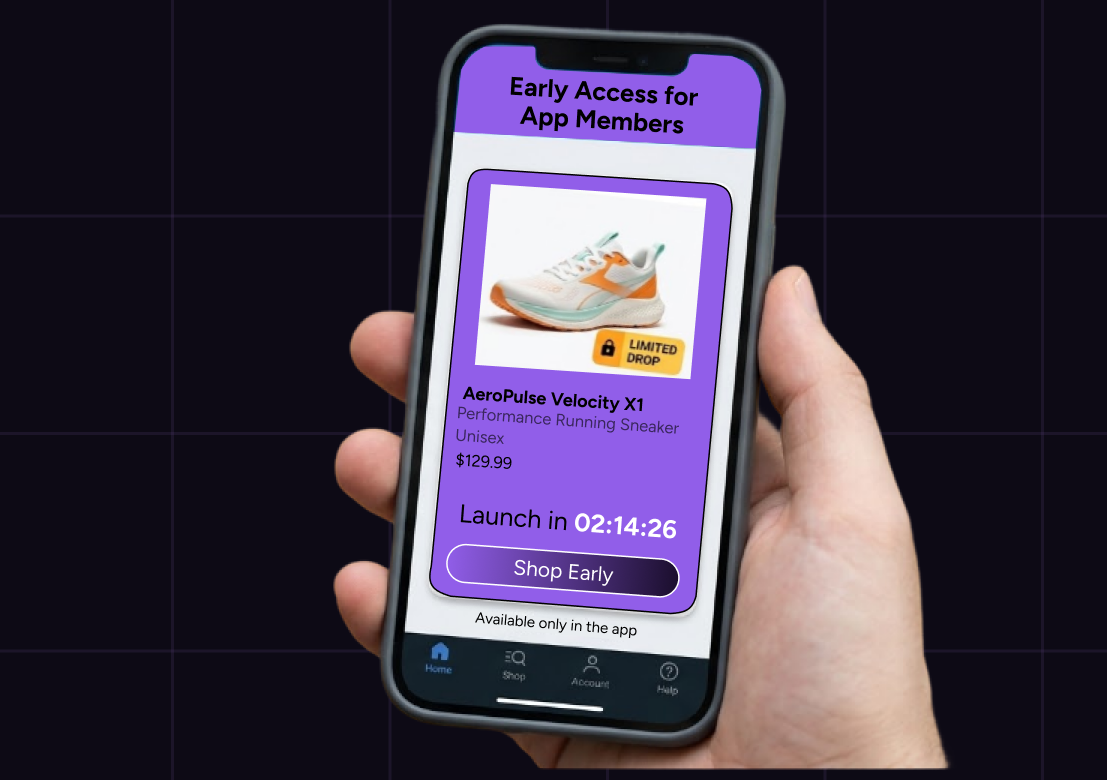
Customers who have installed the app can receive back-in-stock alerts or early-access windows before a release becomes widely available. Some brands also reserve exclusive pricing or VIP drops for app users, creating a sense that the app is where important events happen first.
As these moments repeat, customers begin checking the app when they expect something new. The experience evolves from a simple shopping tool into a place where loyal customers stay connected to the brand between purchases.
Product launches, restocks, and limited releases naturally draw attention because customers know availability may be limited. These moments also create opportunities to introduce incentives tied to loyalty or exclusivity.
App users may receive special pricing during a restock, access to VIP-only releases, or rewards connected to their loyalty tier. Since these offers are only accessible within the app, they reinforce the idea that important moments happen there first.
Over time, customers begin opening the app when they expect something new to appear. Launches, restocks, and early-access windows become recurring reasons to return, strengthening engagement with the brand between purchases.
Discounts work best when they support the full customer journey rather than serving a single campaign. Coupon codes and app-exclusive incentives each influence different moments in that journey, which is why many ecommerce teams use both formats together.
When these two approaches work together, incentives begin to follow the customer lifecycle. Campaigns attract new shoppers, while app-based experiences strengthen the relationship after the first purchase.
Platforms like Superfans.io support this strategy by helping brands design mobile app experiences where incentives connect naturally to launches, loyalty rewards, and repeat engagement. By combining personalised app experiences with controlled access to offers, brands can reward their most engaged customers while continuing to reach new audiences through broader campaigns.
Book a demo to learn how Superfans.io helps ecommerce brands use mobile apps to drive retention, loyalty, and repeat purchases.
Coupon codes can affect margins when customers begin expecting them before making a purchase. Frequent promotions may encourage shoppers to delay buying until a discount appears.
Many brands manage this by limiting codes to specific moments such as acquisition campaigns, seasonal sales, or time-bound promotions.
Mobile apps allow brands to deliver incentives in a more controlled environment. Offers can be shown to specific customers or during certain moments, such as launches, restocks, or loyalty milestones.
Platforms like Superfans.io help brands manage these incentives within their app, allowing teams to reward engagement while maintaining control over how discounts are distrib
"Looking for creative push notification ideas? Check out our free templates and start customizing!"