.png)
Customer acquisition brings people in, but growth depends on what happens after the first purchase. Many DTC brands scale acquisition but still see repeat purchases plateau, which limits lifetime value.
This usually comes down to how loyalty is structured. Loyalty programs and rewards exist, but they rarely shape how customers experience the brand between purchases, so engagement fades over time.
Brands that build strong loyalty treat it as a system. They use customer behavior to guide timing, personalize experiences, and create clear reasons to return.
In this guide, you will see how leading DTC brands design these systems and turn loyalty into consistent retention and growth.
Customer loyalty is the long-term, ongoing emotional connection and commitment a customer has towards a brand.
You can see it through:
These behaviors directly impact growth. Repeat customers increase customer lifetime value and contribute to more predictable revenue. As your existing customer base drives more repeat business, pressure on constant customer acquisition reduces.
Over time, loyal customers strengthen customer relationships, build trust, and evolve into brand advocates who actively contribute to your growth.
Many brands invest in loyalty programs built around points, discounts, and coupons. These systems reward transactions, but they rarely influence how customers engage with the brand between purchases.
On their own, these reward programs drive short-term actions. Customers return when there is a clear incentive but disengage once that incentive disappears. Over time, engagement becomes inconsistent and retention depends on repeated prompting.
Brands that build strong customer loyalty go beyond transaction-based rewards. They approach customer loyalty as a structured system that shapes how customers interact with the brand over time.
This system is built on four core pillars:
Each pillar creates a reason to return. Together, they form a structure that carries engagement forward instead of resetting it after each purchase.
Here are 8 ways leading brands use access, recognition, participation, and community to turn loyalty into repeat behaviour.
Use access to shape how loyal customers experience the brand. Instead of treating every launch the same, structure availability around customer behavior and engagement.
This can be through:
Exclusivity changes how customers behave. When access is limited and time-bound, anticipation builds ahead of the launch, and engaged customers return more frequently to stay updated. Over time, this creates a pattern of repeat visits tied to drops rather than just one-time purchases.
For example, SKIMS builds its launches around early access windows for select customers and subscribers. Each drop is tied to a specific time and audience, which sets clear customer expectations around when and how they can access new collections.
This structure drives repeat visits during launch moments and keeps engaged customers consistently coming back for new releases.
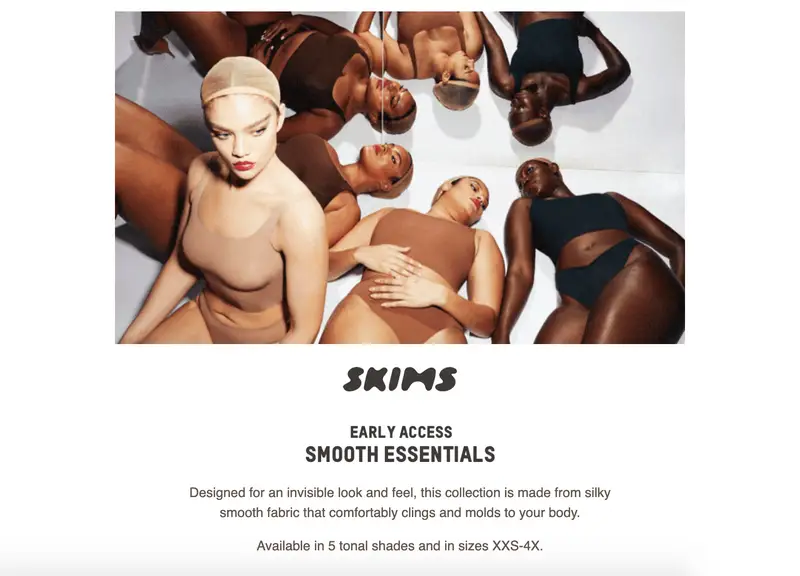
Use launches as structured loyalty moments. Define who gets access first, create clear entry points for loyal customers, and align each drop with a specific segment of your customer base. Over time, this builds repeat behavior around launches and increases retention.
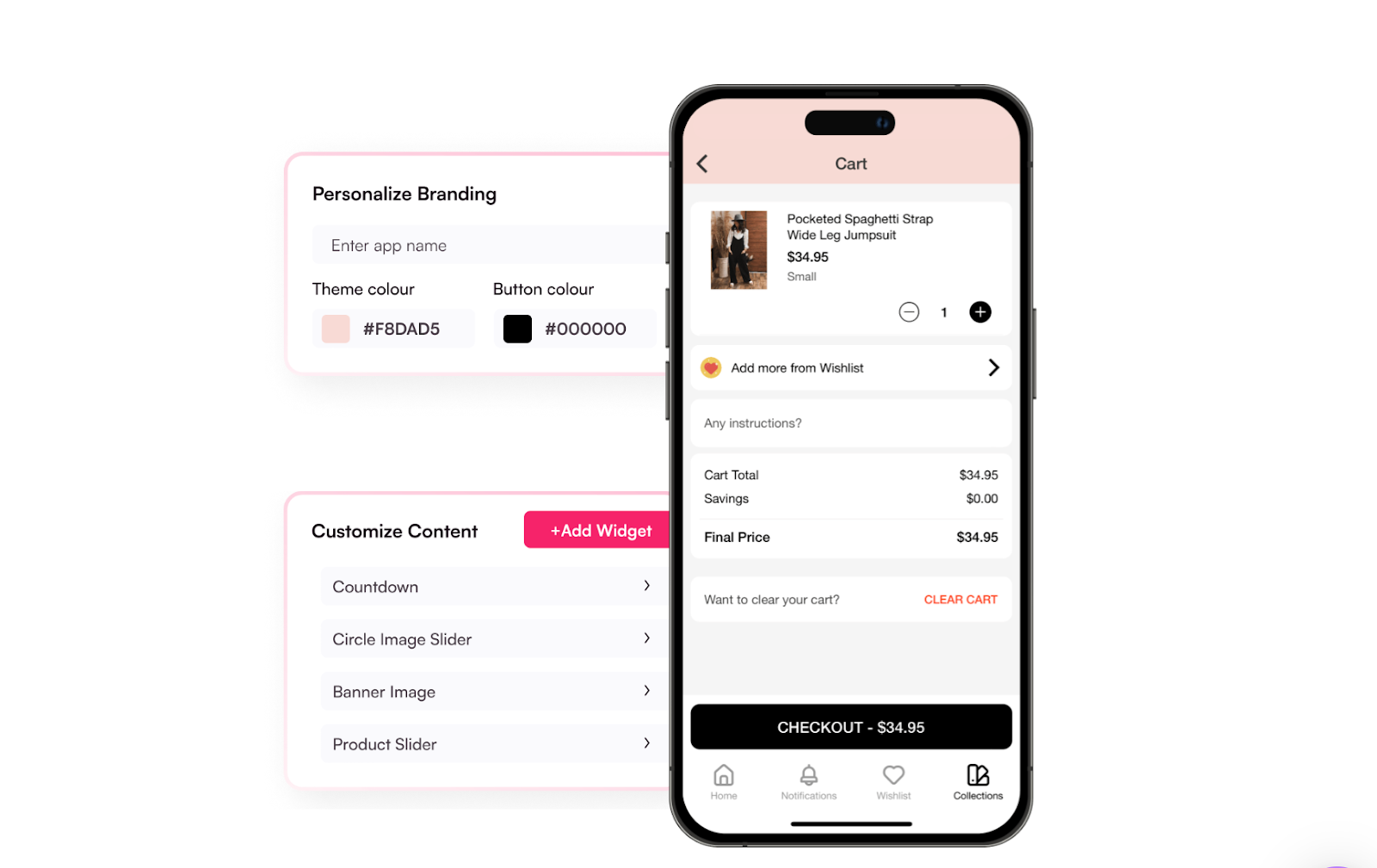
Mobile app builders like Superfans.io allow brands to run app-exclusive drops, segment access by customer behavior, and coordinate launch experiences that reward loyalty and drive repeat purchases.
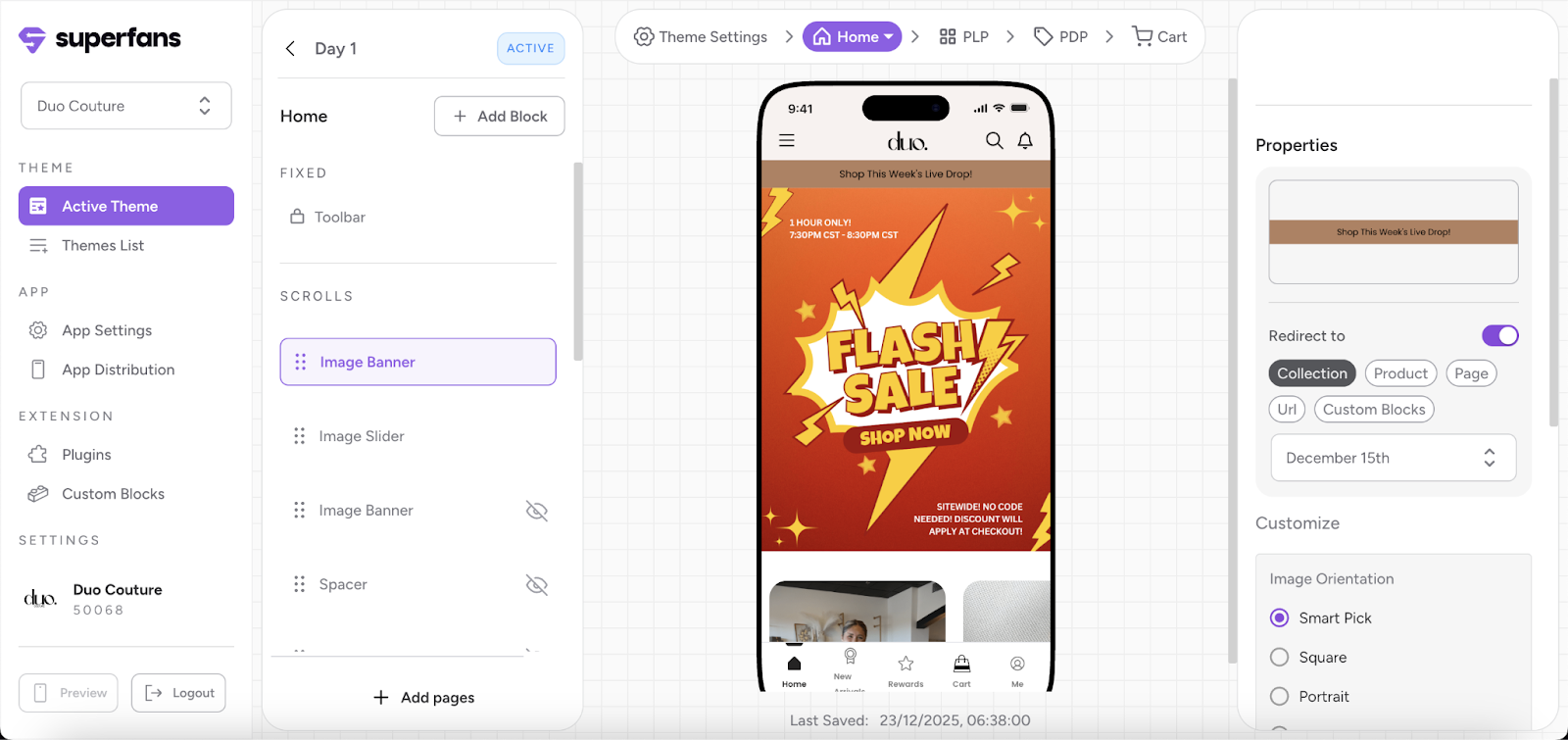
Deepen customer relationships by involving loyal customers in how the brand evolves. This shifts the role of the customer from buyer to participant, extending engagement beyond transactions.
This shows up through:
These interactions strengthen connection because customers see their input reflected in the brand, turning them into active contributors.
Glossier, for example, built early traction by integrating customer feedback directly into product development. Social media conversations, reviews, and community input shaped what products were launched and how they evolved. Customers recognized their influence in the process, which strengthened their connection to the brand and increased long-term loyalty.
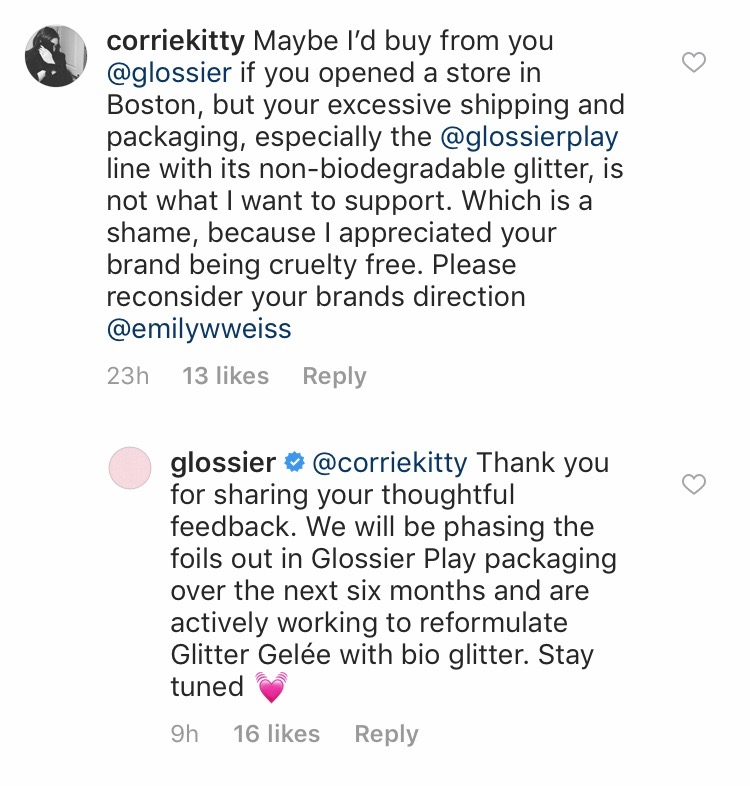
Create clear, repeatable ways for customers to participate.
Anchor these customer interactions to real decisions so participation feels meaningful, not symbolic.
Design loyalty systems around customer behavior, not just order value. Track how customers interact with the brand across touchpoints and reward actions that indicate ongoing engagement.
You can reward actions like:
When these actions are recognized, customers stay connected even between purchases, building momentum across the entire customer journey.
Sephora builds its customer loyalty program around a wider set of customer behaviors. Along with purchases, customers earn points for writing reviews, engaging with products, and participating in the brand ecosystem.
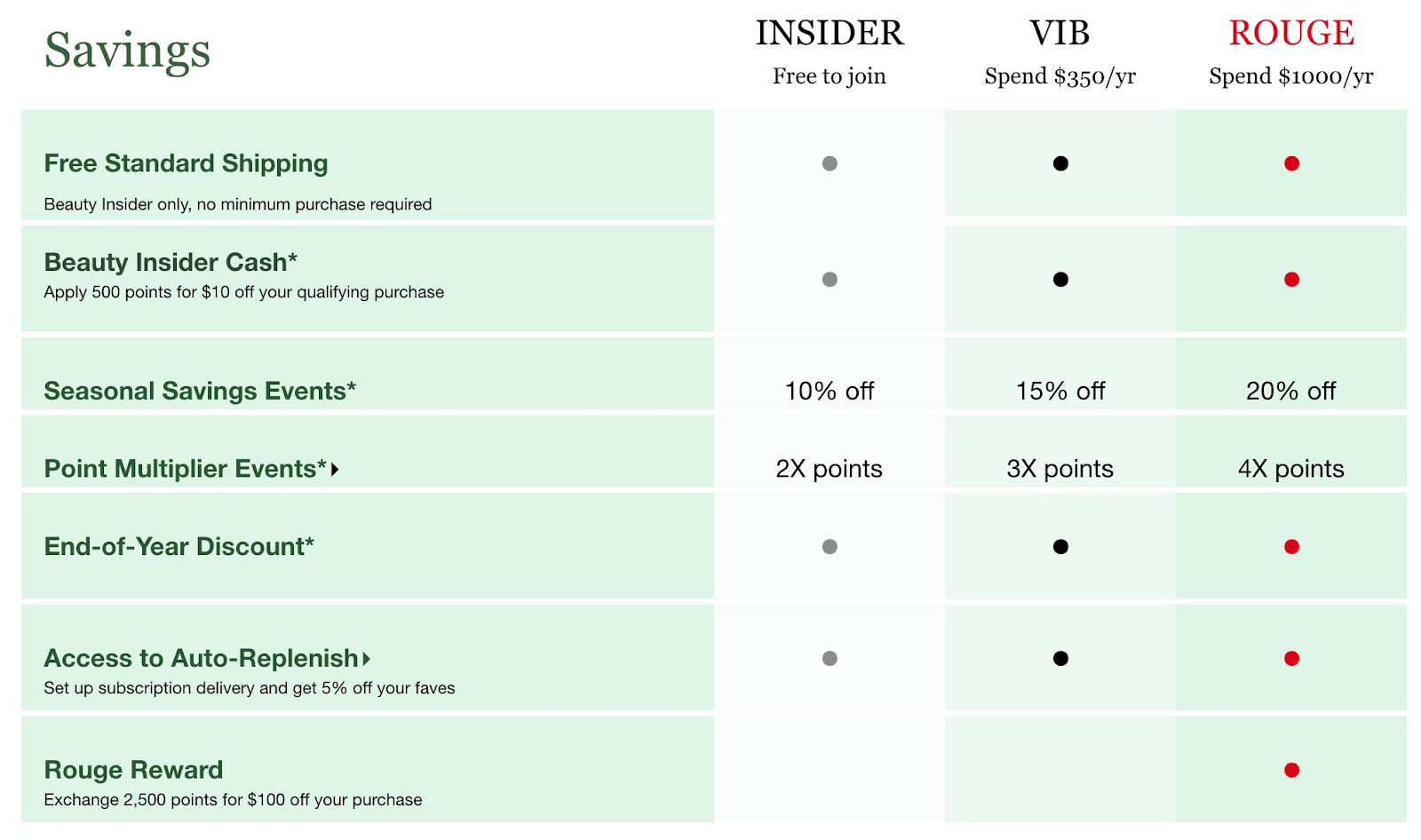
These actions keep customers active between transactions, which increases repeat visits and strengthens long-term engagement.
Design your loyalty program to recognize commitment across behaviors. Reward customers for how they engage, not just how much they spend. This approach increases repeat customers, strengthens brand loyalty, and drives more consistent retention over time.
Strengthen customer loyalty by building ecosystems around creators and communities. These systems extend engagement beyond transactions and create ongoing interaction across content, events, and shared experiences.
This shows up through:
Creators play a very important role in shaping customer behavior. They give the brand a consistent voice, create relatable content, and encourage customers to engage more frequently. Over time, this builds trust among potential customers and strengthens brand identity.
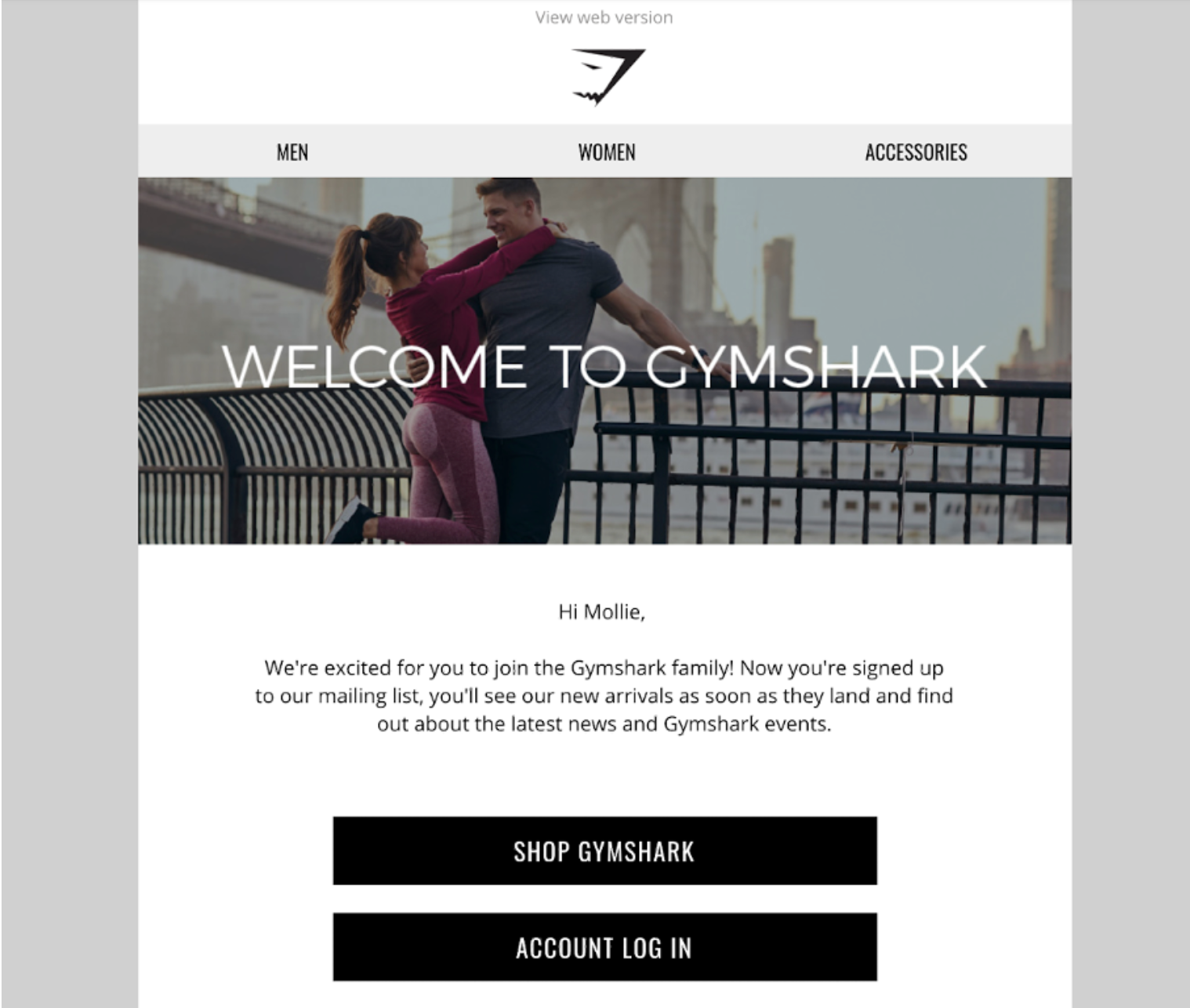
A great example of this is Gymshark. By investing in athlete and creator partnerships, the brand built a system where creators produce content, host events, and stay closely connected with the audience. This keeps customers engaged beyond purchases.
As these interactions compound, customers move from passive buyers to active participants who contribute through referrals, content, and community engagement.
Build a community layer that keeps customers and creators connected between purchases.
Create consistent touchpoints where customers can engage without needing to buy:
As these interactions compound, customers move from passive buyers to active participants who contribute through referrals, content, and community engagement.
Launches create structured moments that bring customers back at predictable intervals. When drops follow a clear rhythm, they shape how customers engage with the brand over time.
This shows up through:
These moments concentrate attention around a big event. Customers return to check availability, stay updated on timing, and participate early. Over time, launches become a critical part of the customer journey that drives recurring engagement.
Rhode follows this approach with frequent, limited launches and collaborations that sell out quickly. Each release gives customers a clear moment to return, track availability, and engage with the brand.
This repeated cycle builds anticipation and keeps customers coming back for every new drop.
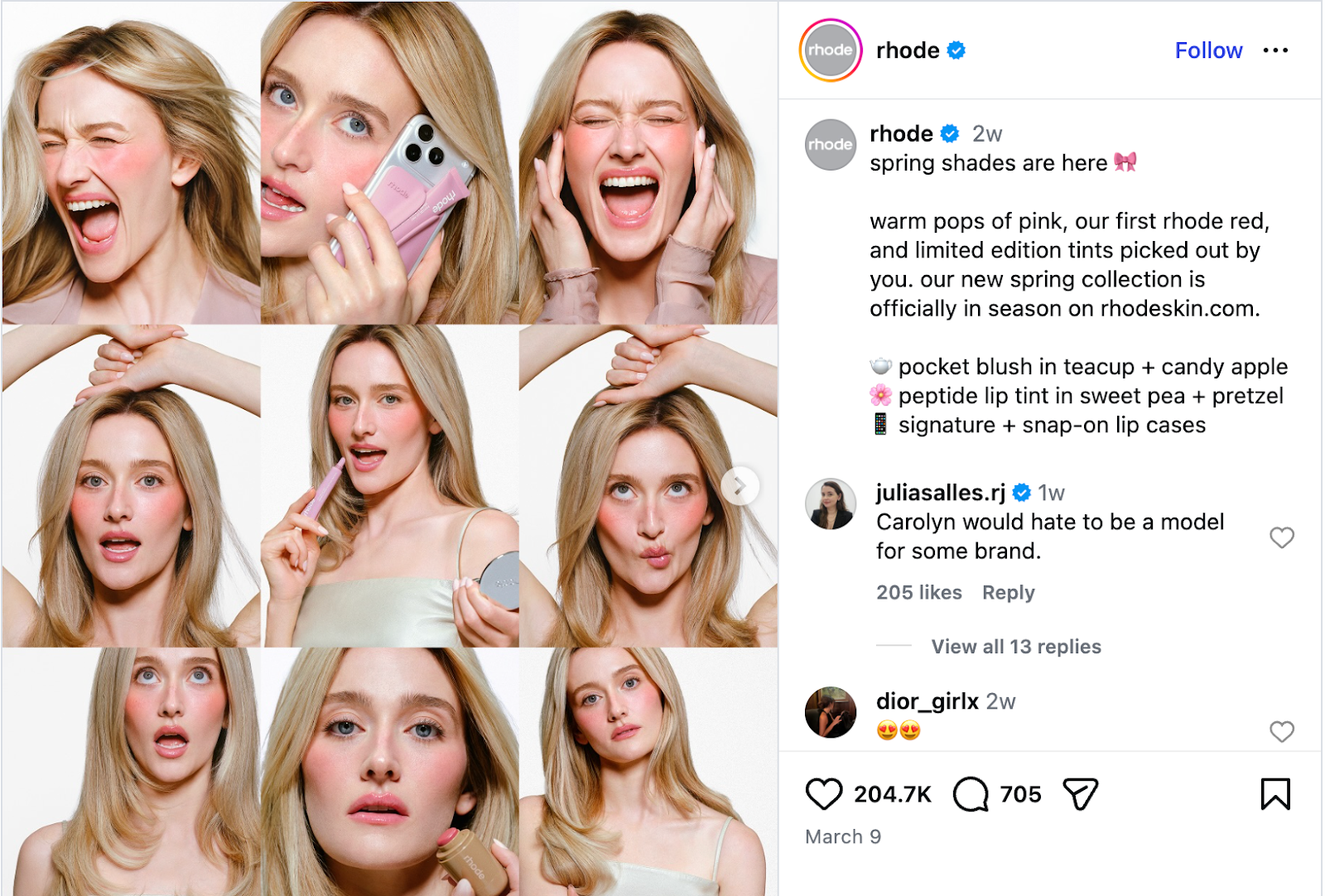
Design launches as recurring loyalty moments. Establish a predictable rhythm, define access rules, and give customers a reason to return for each drop.
Platforms like Superfans.io support this by allowing brands to offer app-exclusive launches, where loyal customers receive priority access, real-time updates, and a more memorable experience.
Loyalty strengthens when customers can see their progress and benefits as they interact with the brand. Visibility turns loyalty from a background system into something customers actively track and engage with.
This can be done through:
When these elements are visible, customers understand where they stand and what they unlock next. This creates a sense of progress, reinforces belonging, and encourages continued interaction across the customer journey.
Nike is the perfect example of this. The brand integrates its membership system across its apps and digital ecosystem, where customers can view rewards, access exclusive content, and track their status in real time.
This visibility keeps customers engaged and strengthens their connection to the brand through clear progress and recognition.
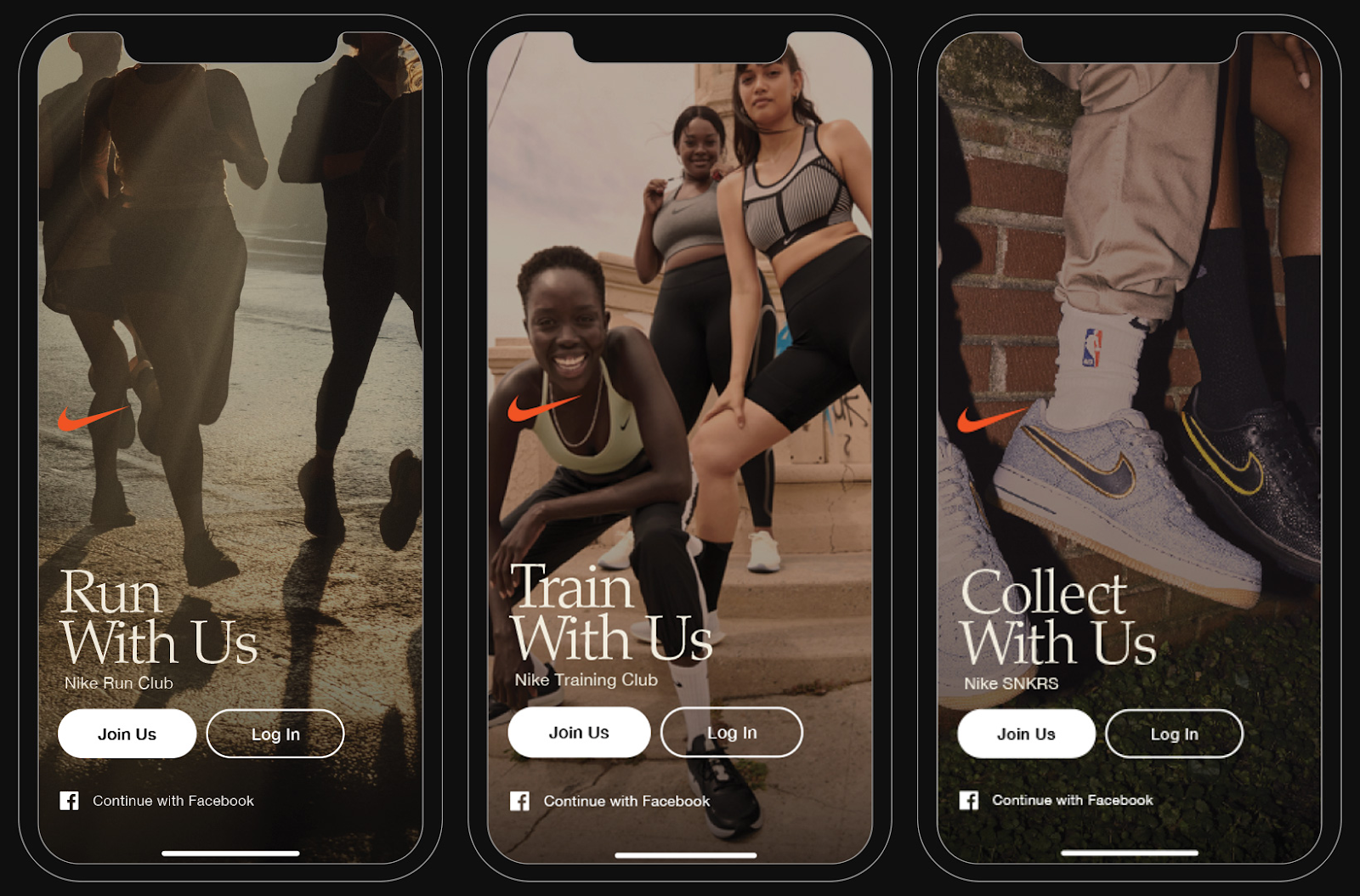
Make loyalty visible at every stage of the experience. Show customers their status, progress, and benefits in a way that is easy to access and understand.
This reinforces engagement, builds trust, and supports long-lasting relationships.
Use customer data to tailor the experience for high-value customers. As engagement and purchase history grow, the experience becomes more tailored, relevant, and priority-driven.
Personalize experiences through:
These experiences increase relevance and reduce friction. Customers see what matters to them immediately. They engage better and have higher satisfaction, which increases repeat purchases over time.
This approach is best done by Amazon Prime through its member experience. Customers receive personalized recommendations, access to exclusive offers, and faster delivery options based on their activity and preferences.
Each interaction reflects their value to the brand, which strengthens retention and encourages repeat business.
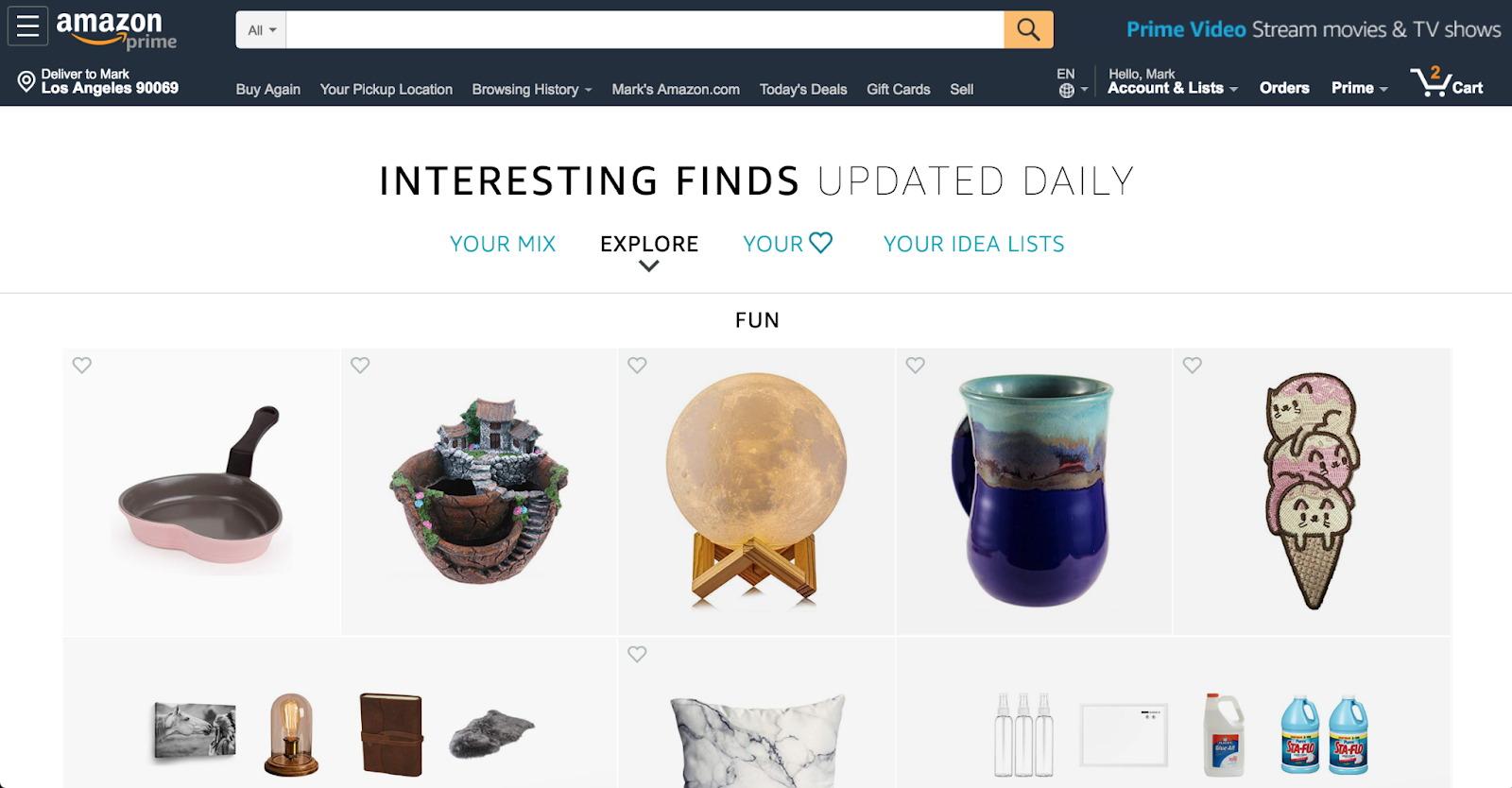
Design differentiated experiences for your most loyal customers. Use customer behavior and data to personalize access, content, and communication. This strengthens customer relationships, increases customer lifetime value (CLV), and builds long-term loyalty.
Stay present even when customers are not actively shopping from you. Create ongoing interactions that keep the brand relevant between purchases and strengthen long-term customer relationships.
This can be done through:
These interactions extend the customer journey beyond transactions, keeping customers connected and developing stronger emotional connections with the brand.
For example, GoPro builds its community through user-generated content. Customers share their experiences using branded hashtags, participate in contests, and contribute content that becomes part of the brand’s identity. These interactions keep customers engaged even when they are not making a purchase.
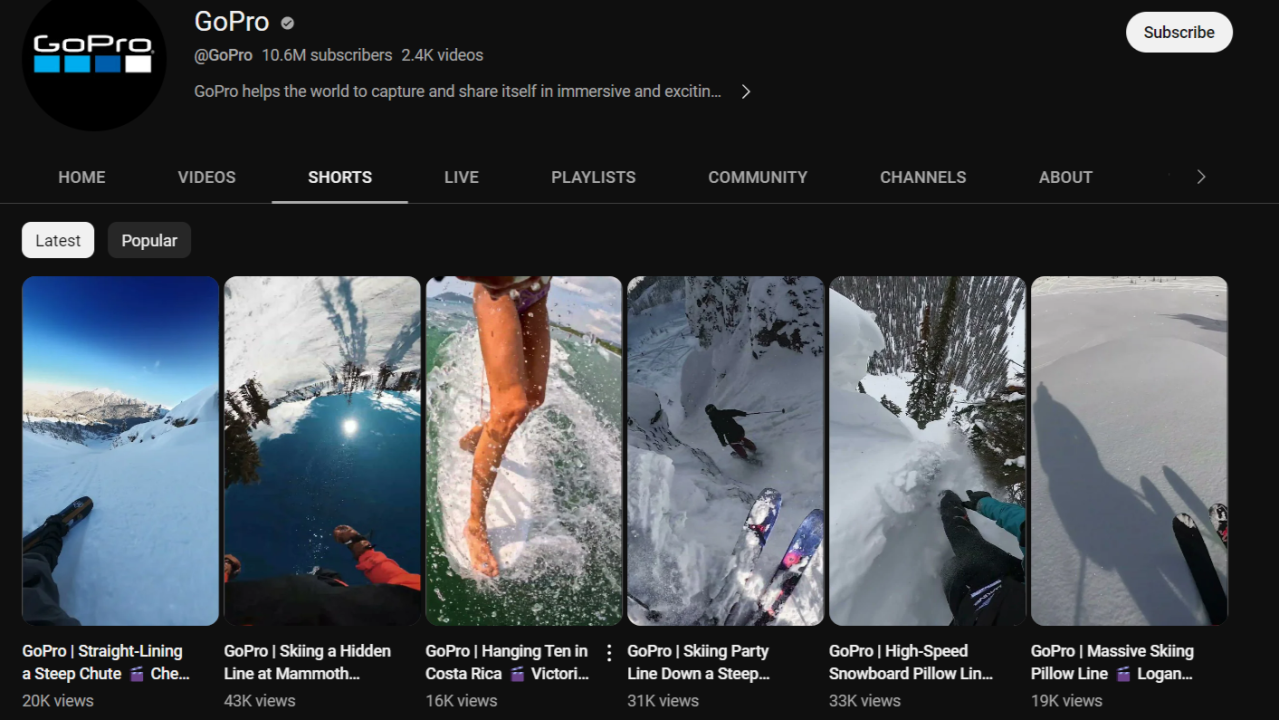
Create consistent opportunities for customers to interact with your brand beyond buying. Content, community, and participation keep engagement active, strengthen brand loyalty, and increase repeat purchases over time.
Customer loyalty doesn’t come from a single program. It comes from how every interaction connects across the customer journey.
Each touchpoint should give customers a reason to return, engage, and progress in their relationship with your brand.
A strong loyalty system includes:
When these elements work together, loyalty becomes embedded in the experience, not layered on top of it.
Customers don’t just buy again. They return with context, see their progress, and understand what they unlock next.
Over time, this creates a system where retention is structured, engagement is continuous, and growth compounds through the customers already in your ecosystem.
Loyalty systems become more effective when they run on owned channels, which brands can control end-to-end. A mobile app creates a direct connection with your most engaged customers and keeps the brand present across the customer journey.
This allows you to:
With this setup, engagement becomes more consistent and intentional. You’re not waiting for customers to return—you’re guiding when and why they do.
Platforms like Superfans.io allow brands to position mobile apps as a core part of their loyalty infrastructure. Brands can run app-exclusive launches, segment VIP customers based on behavior, deliver lifecycle-based messaging, and create personalized experiences that adapt with each interaction.
When these elements work together, loyalty operates as a connected system. Customer data, automation, and engagement flows align across touchpoints, which improves customer retention, reduces churn, and increases customer lifetime value.
Want to see how a mobile app can turn loyalty into a repeatable growth system? Book a demo
The 4 C’s of customer loyalty focus on how brands can create consistent, high-quality experiences across the customer journey:
Together, they strengthen customer relationships and increase repeat purchases over time.
Strong customer relationships develop through clear, repeatable actions:
These actions build trust, improve customer satisfaction, and create long-term relationships that support retention.
A mobile app strengthens customer loyalty by creating a direct and consistent connection with your customers.
It enables:
As part of an omnichannel marketing strategy, a mobile app becomes a central layer for customer engagement, helping brands increase retention, reduce churn, and increase customer lifetime value.
"Looking for creative push notification ideas? Check out our free templates and start customizing!"