Hey, we’re online and here to help you anytime! You’re one step closer to building a stunning mobile app for your e-commerce store. Get on a call with us to see Vajro in action.
Hey, we’re online and here to help you anytime! You’re one step closer to building a stunning mobile app for your e-commerce store. Get on a call with us to see Vajro in action.
Acquisition is your main priority when you’re starting your ecommerce business. For long-term growth, however, it isn’t enough.
Rising CAC and shrinking attention spans mean that brands scaling sustainably do one thing better than everyone else: they turn customers into long-term revenue.
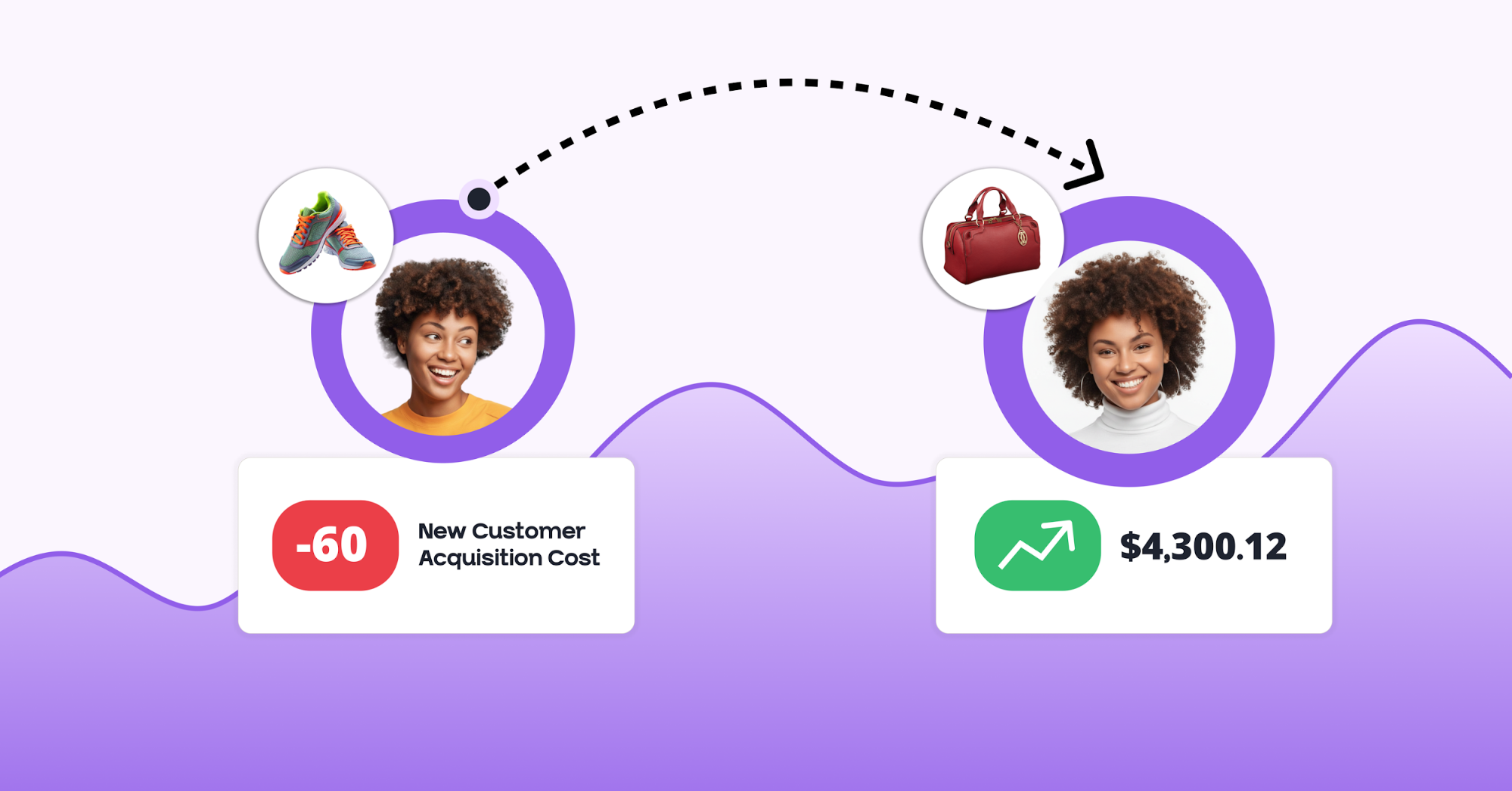
Customer lifetime value (LTV) is the total revenue a customer generates over their relationship with your brand. Increasing LTV makes growth more predictable, protects margins, and reduces dependency on paid acquisition.
By the end of this guide, you’ll know exactly which levers actually increase customer lifetime value and which ones only create short-term spikes. You’ll walk away with 10 tactical, proven ways to drive repeat purchases, deepen loyalty, and build retention systems that compound over time.
What is customer lifetime value?
Customer lifetime value (CLV) is the total revenue that a business can expect from a customer over the entire duration of their relationship with the brand.
Instead of judging customers by single transactions, CLV measures repeat business, frequency, and longevity, giving you a clearer picture of how valuable a customer truly is over time.
There are two common ways to view CLV:
Historical CLV: How much an existing customer has already spent with your brand.
Predictive CLV: An estimate of customer spend in the future, based on behaviour patterns like purchase frequency, average order value, and retention.
Customer lifetime value formula
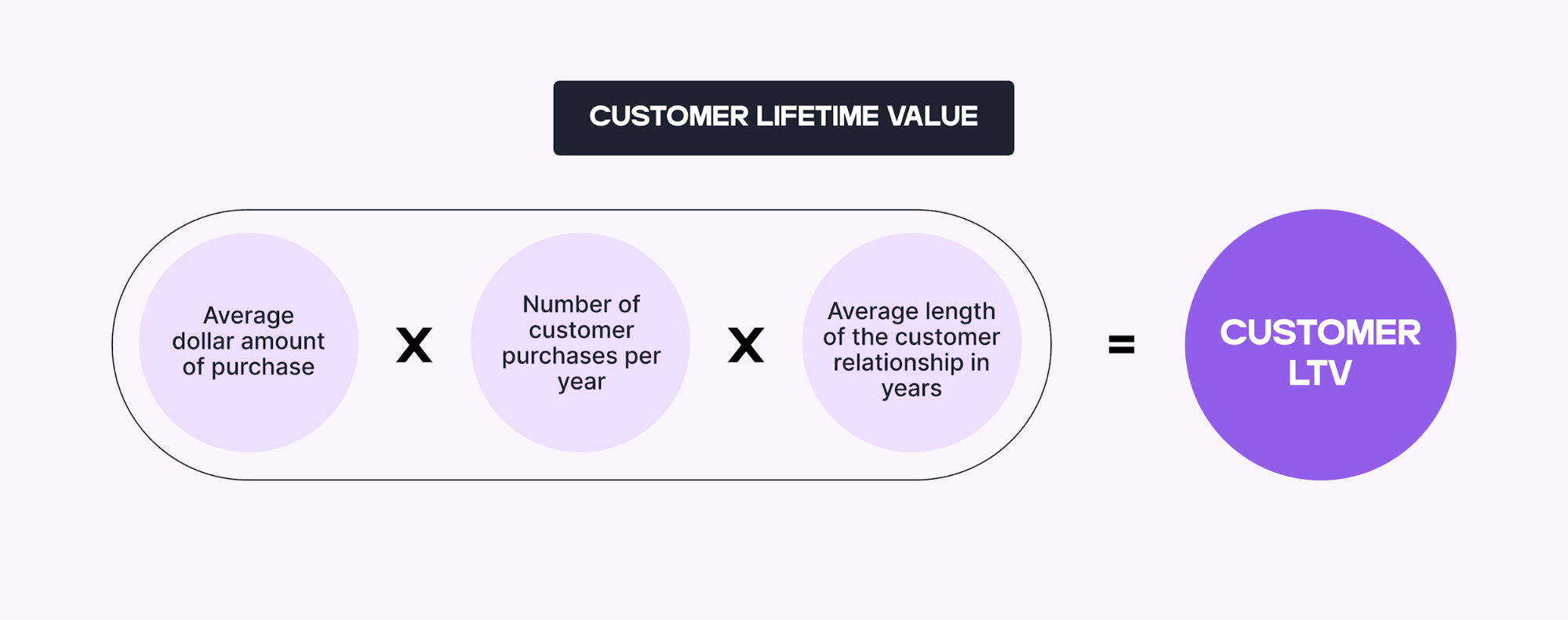
The most widely used CLV formula is:
This formula gives you the average customer value over time, which is useful for benchmarking performance and comparing segments.
Let’s say you run a DTC apparel brand:
Average order value: $50
Average purchases per year: 3
Average customer lifespan: 2 years
CLV = ($50 × 3) × 2 = $300
This means that, on average, each customer is worth $300 to your business over their lifetime, not $50.
Tactics to increase customer lifetime value
Increasing customer lifetime value is all about designing repeatable systems that encourage loyal customers to return more often, spend more each time, and stay connected to your brand longer.
Here are 10 tactics that will help you consistently drive high LTV for ecommerce brands:
1. Personalize the customer experience and improve product discovery
Metric to track: Repeat purchase rate, Average Order Value (AOV)
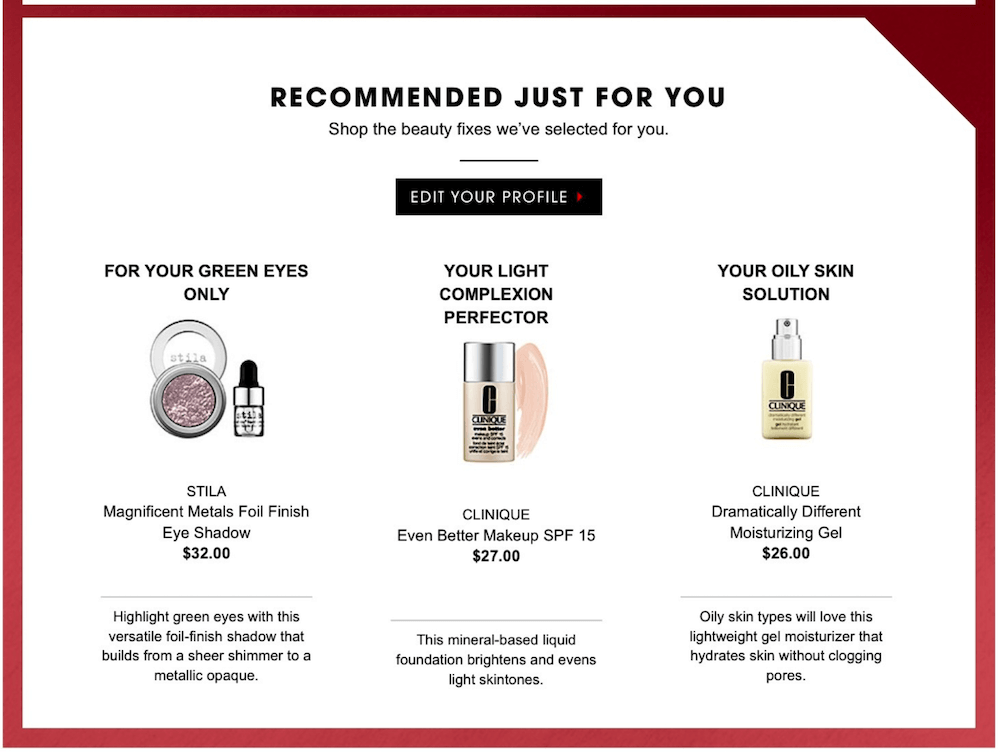
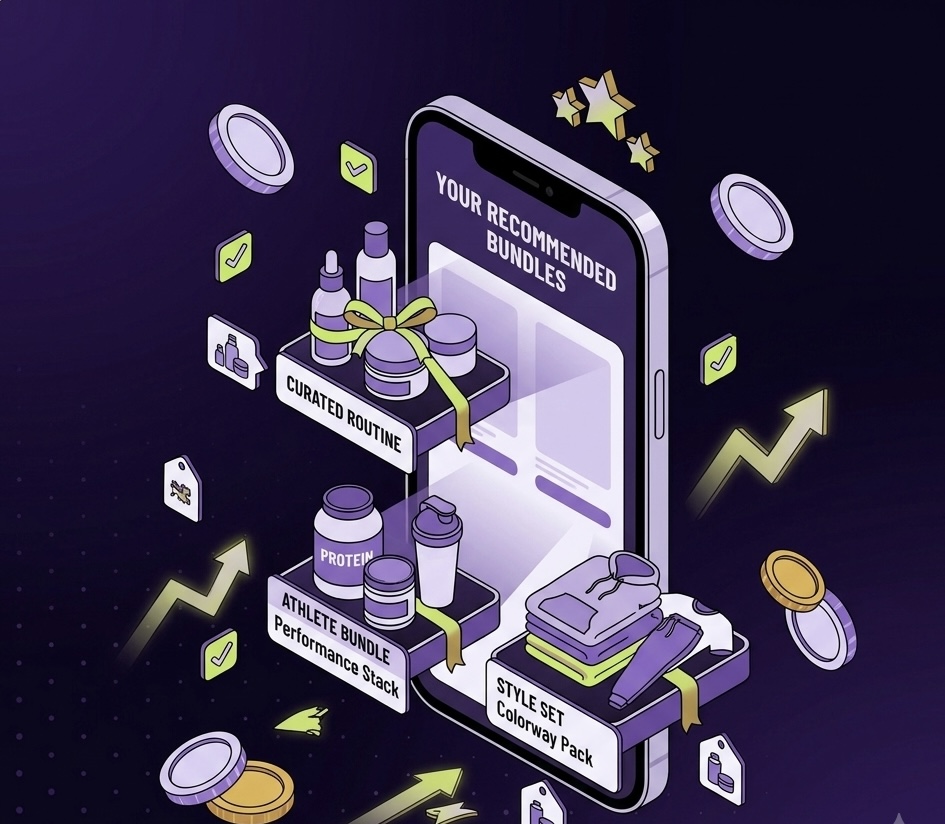
Personalization creates impact when it improves how customers are communicated with and what products they’re shown. It’s about reducing friction between intent and purchase across email, SMS, on-site, and app.
Use real customer data to adjust experiences based on purchase history, browsing behaviour, preferences, and loyalty status. In practice, this looks like replenishment reminders for past purchases, back-in-stock alerts for viewed items, size-aware merchandising, and VIP-only messaging for top tiers.
For example, a skincare brand might automatically surface refills or complementary products for repeat buyers, while first-time visitors see bestsellers.
Strong personalization also improves product discovery. Instead of forcing customers to browse generic collections, brands adapt what’s shown to them based on context and behaviour. Returning customers might see refills, complementary products, or favourites, while first-time visitors are guided toward bestsellers or curated entry points.
As customers engage, merchandising adjusts in real time, shortening the path to action and increasing basket size.
To execute this effectively, brands typically:
Segment customers by lifecycle (first-time, repeat, VIP).
Trigger messages and experiences based on behaviour, not schedules.
Sync personalization logic across channels so experiences feel consistent.
Tools like Klaviyo handle lifecycle segmentation and triggered messaging, while recommendation engines such as Rebuy adjust product discovery dynamically. When extended into a mobile app using Superfans, brands can personalize home screens, collections, and push notifications for each segment, making it easier for customers to find what they want and giving them stronger reasons to return.
2. Launch a loyalty program
Metric to track: Frequency of VIP customers
A loyalty program formalizes repeat behaviour by rewarding customers for actions that increase LTV, such as purchases, referrals, reviews, and engagement. The goal is to give every single customer a reason to return to your brand more often and spend more.
Effective loyalty programs use:
Points or tiers to create progress and momentum.
Rewards that unlock over time (not all upfront).
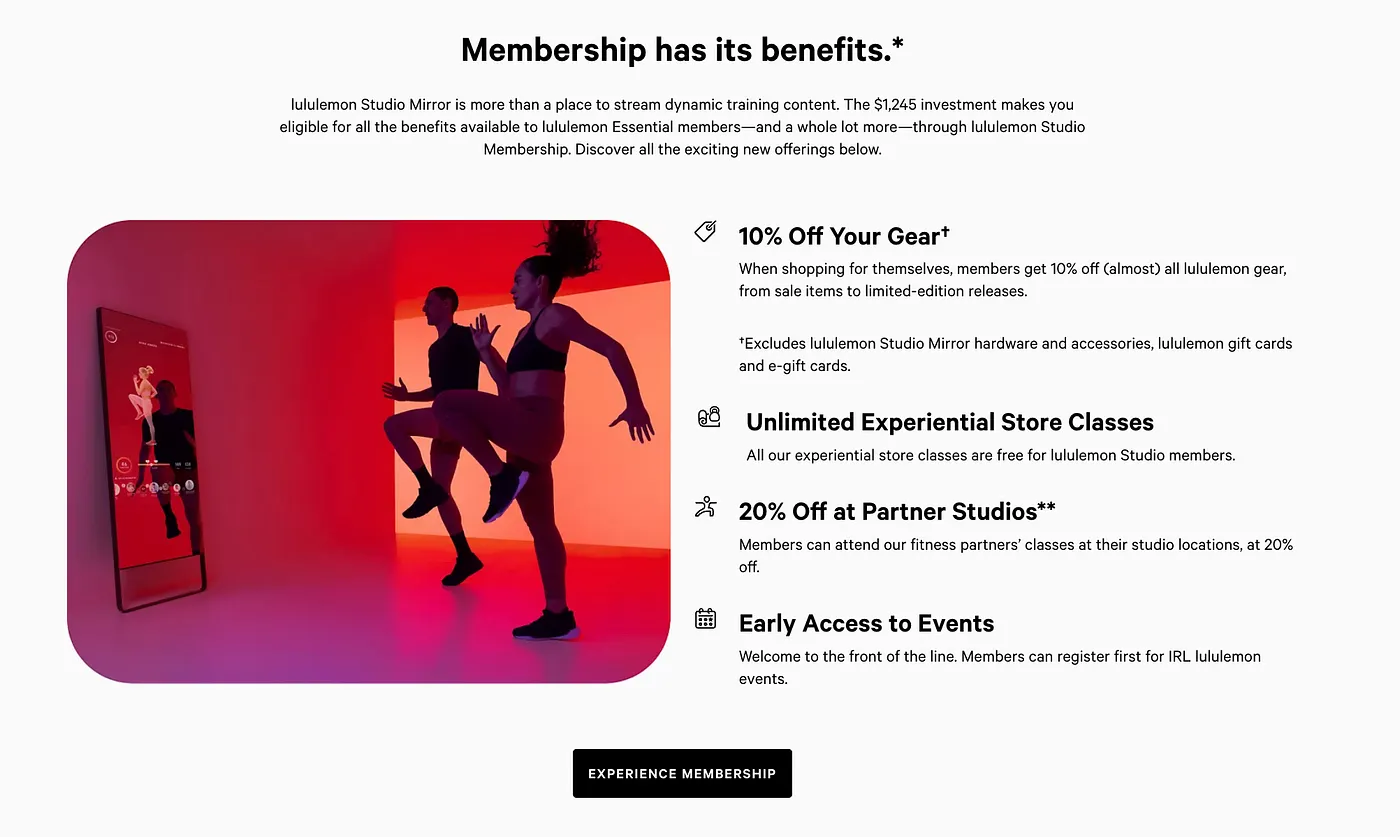
VIP perks like early access, free shipping, or exclusive drops.
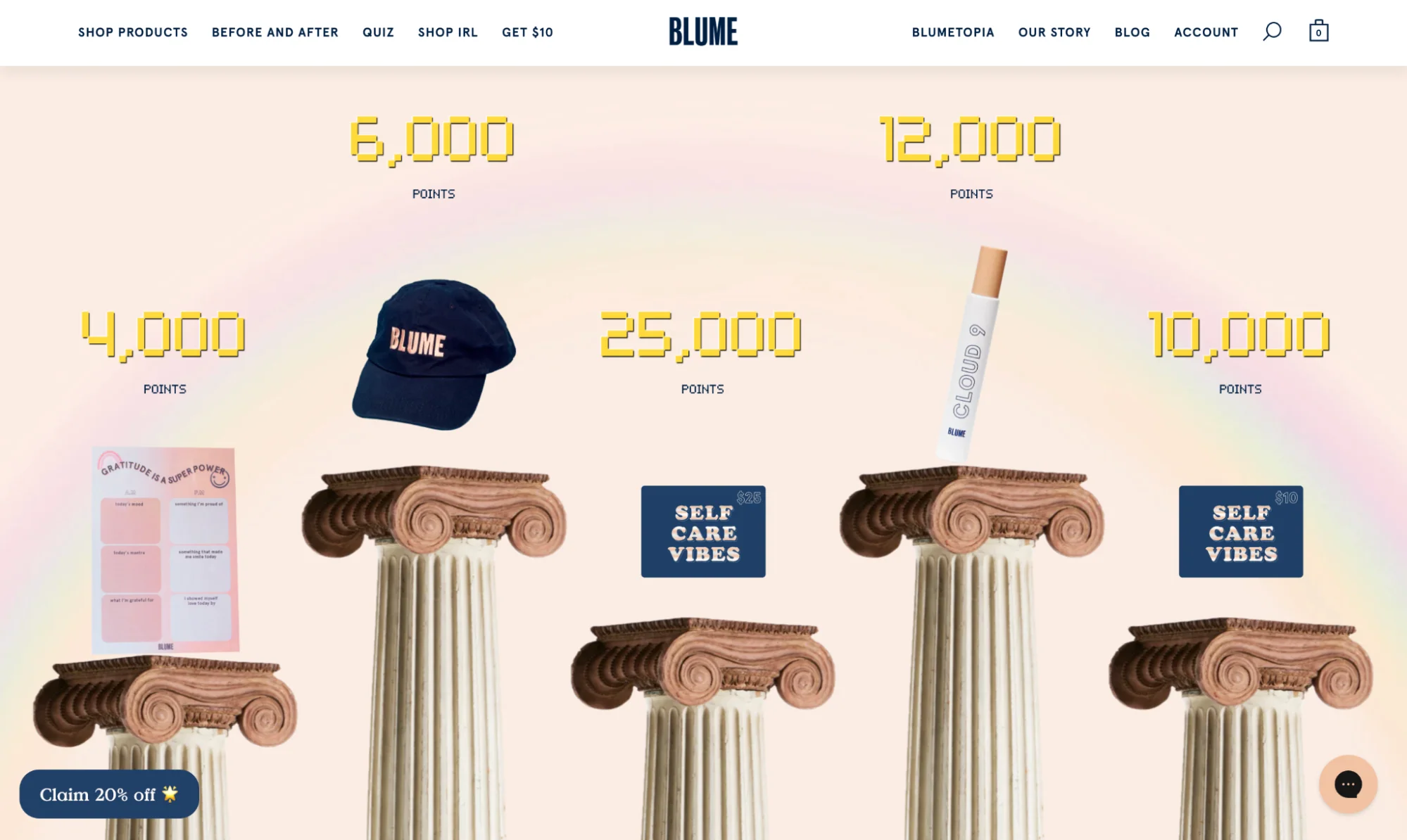
For example, Blume, a skincare brand, runs a points-based program where customers earn “Blume Bucks” for shopping, reviewing products, following on social media, and even on birthdays, which can be redeemed on new purchases.
This turns everyday actions into repeat touchpoints, boosting customer retention strategies.
Most brands launch loyalty using platforms like Smile or Yotpo, then place those perks consistently across email, on-site, and app experiences. When loyalty status is reflected inside a branded app, with gated screens or VIP-only drops, it becomes far more visible and helps in building familiarity and habits.
3. Use a mobile app to create a VIP shopping channel
Metric to track: App-engaged cohort LTV vs non-app users
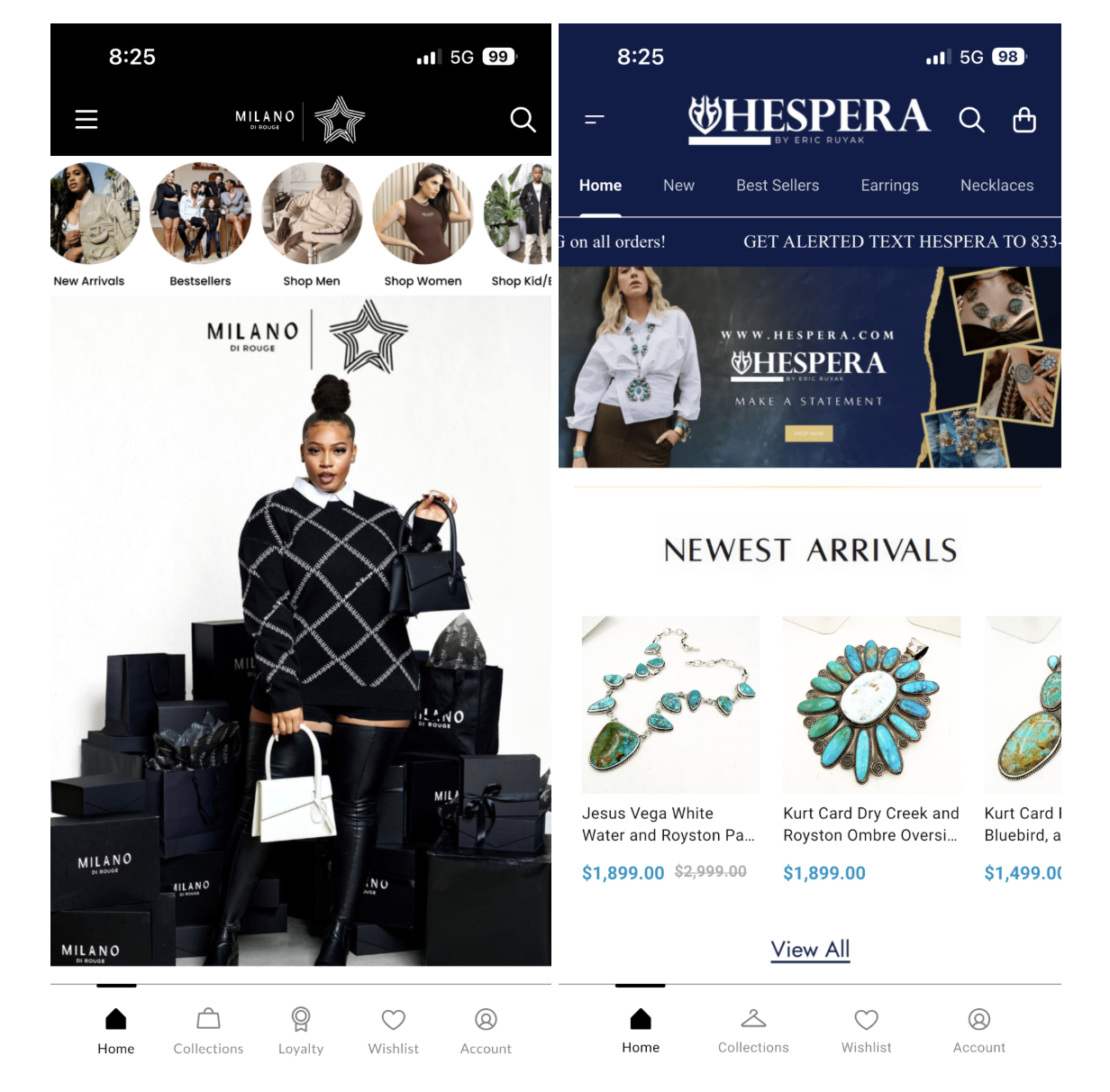
A mobile app gives brands an owned channel to reach and retain their best customers. Unlike email or SMS, apps offer faster access from the customer’s screen. higher visibility through push notifications, and fewer points of friction than web-based shopping.
Use mobile apps to create a VIP layer within the shopping experience:
Run app-only promotions.
Personalize home screens by customer segment.
Send behaviour-triggered push notifications.
Offer early access to drops and restocks.
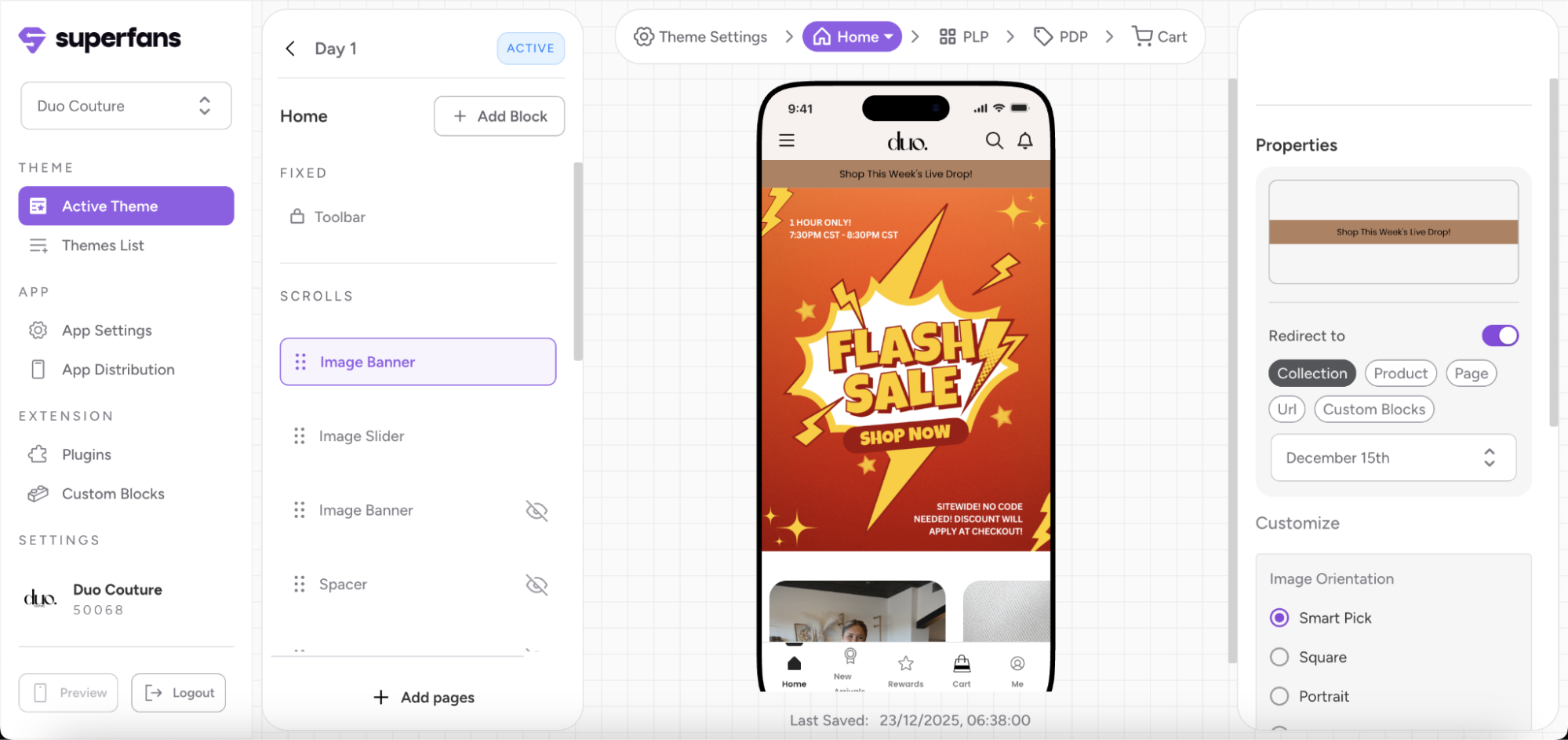
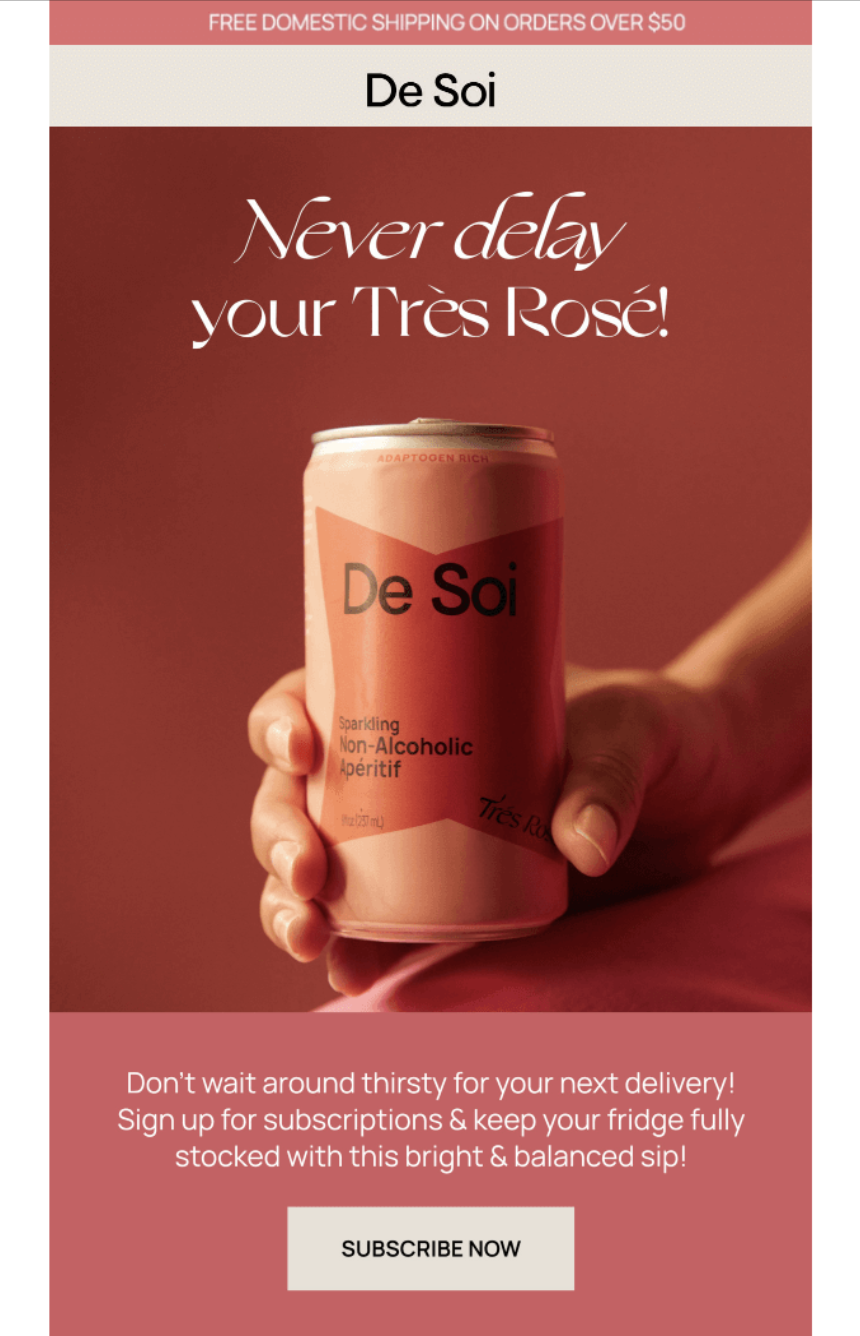
Platforms like Superfans let you set up a mobile app that drives loyalty. Instead of treating the app as a static storefront, they let brands design segment-aware, personalized app experiences that adapt to customer behaviour and value.
VIPs would see different home screens, access gated drops first, and receive push notifications tailored to their purchase patterns.
4. Set up replenishment reminders and subscription offers
Metric to track: Time between purchases
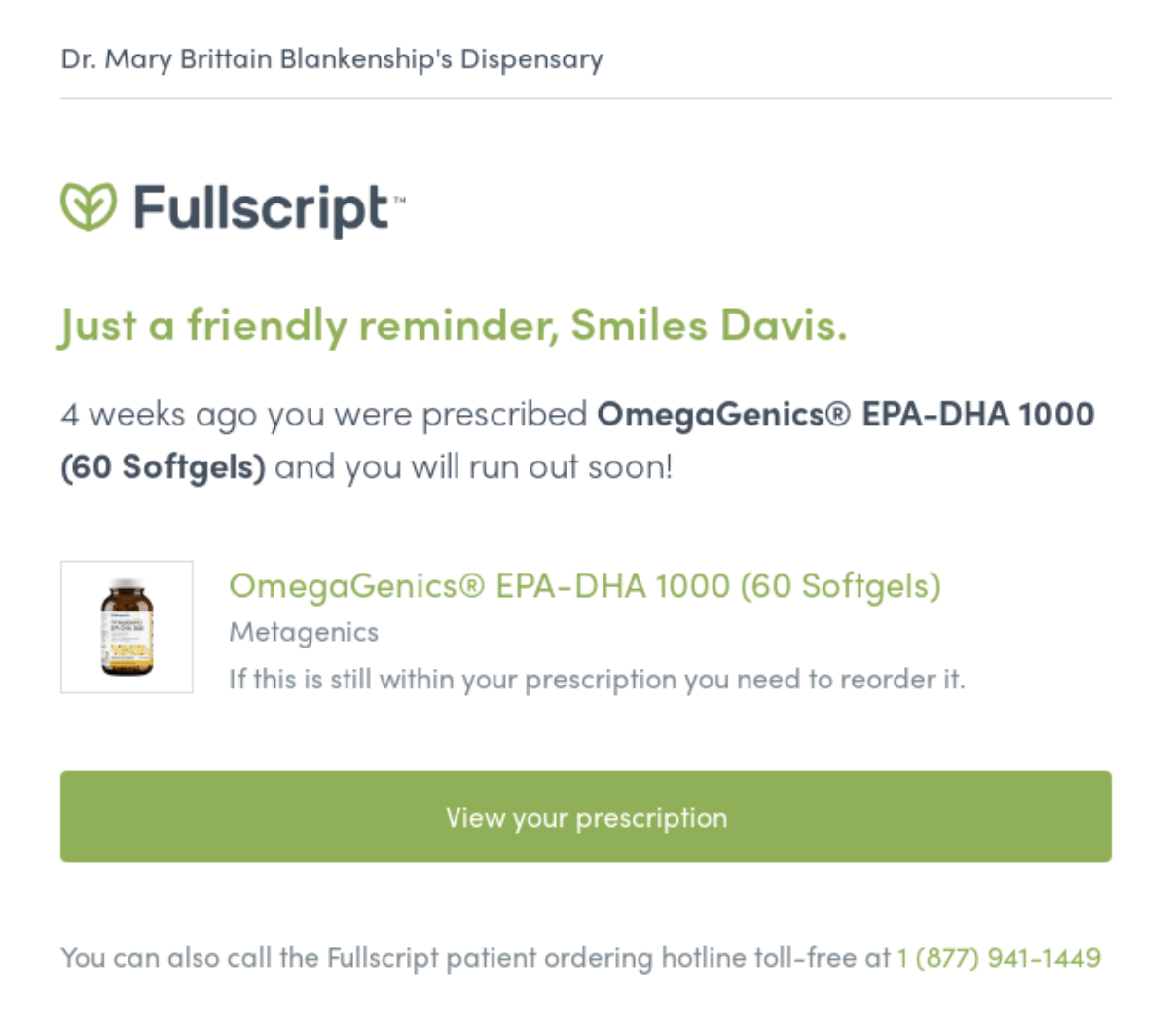
Replenishment reminders are a proactive way to maintain a healthy buying rhythm when continued demand is expected. These automated messages prompt customers to restock products just before they’re likely to run out. When timed to actual usage, they remove friction, prevent lapses, and turn repeat behavior into predictable revenue.
This tactic works best for consumable products such as skincare, supplements, or pet supplies, where depletion windows can be estimated based on order size and past purchase frequency. Reminders are then triggered shortly before expected depletion, when intent is naturally high.
Common replenishment signals include:
Time since last purchase aligns with typical usage
Product category with predictable consumption
Repeat purchases of the same SKU or variant
Customers returning to browse the same product
For example, a supplements brand might send a reminder 25–30 days after purchase with a simple “Running low?” message. High-frequency buyers can be offered a one-click subscription with flexible skip and pause options, making reordering effortless without forcing commitment.
These reminders can be delivered via email and SMS, but push notifications in a mobile app often drive faster action because they bypass inbox noise and take customers directly back to the product or reorder flow.
Brands typically manage timing and segmentation through lifecycle tools like Klaviyo, while using app-based push to reinforce reminders and make repeat purchases frictionless.
5. Leverage churn-prevention signals, not win-back blasts
Metric to track: Retention rate
Most retention programs react too late. By the time a customer enters a win-back flow, interest has faded and the habit of using your product has been broken.
Churn prevention focuses on spotting early signs of disengagement and responding while the relationship is still active. Instead of waiting 60–90 days to send a generic win-back message, monitor behaviour shifts that signal risk of dropping off.
Common churn signals include:
Longer gaps between purchases than the customer’s usual cadence
Fewer app opens or site visits
Declining engagement with messages or content
Repeated browsing without conversion
Loyalty members stalling before their next tier
When these signals appear, trigger light, relevant interventions designed to restore momentum, not force a sale.
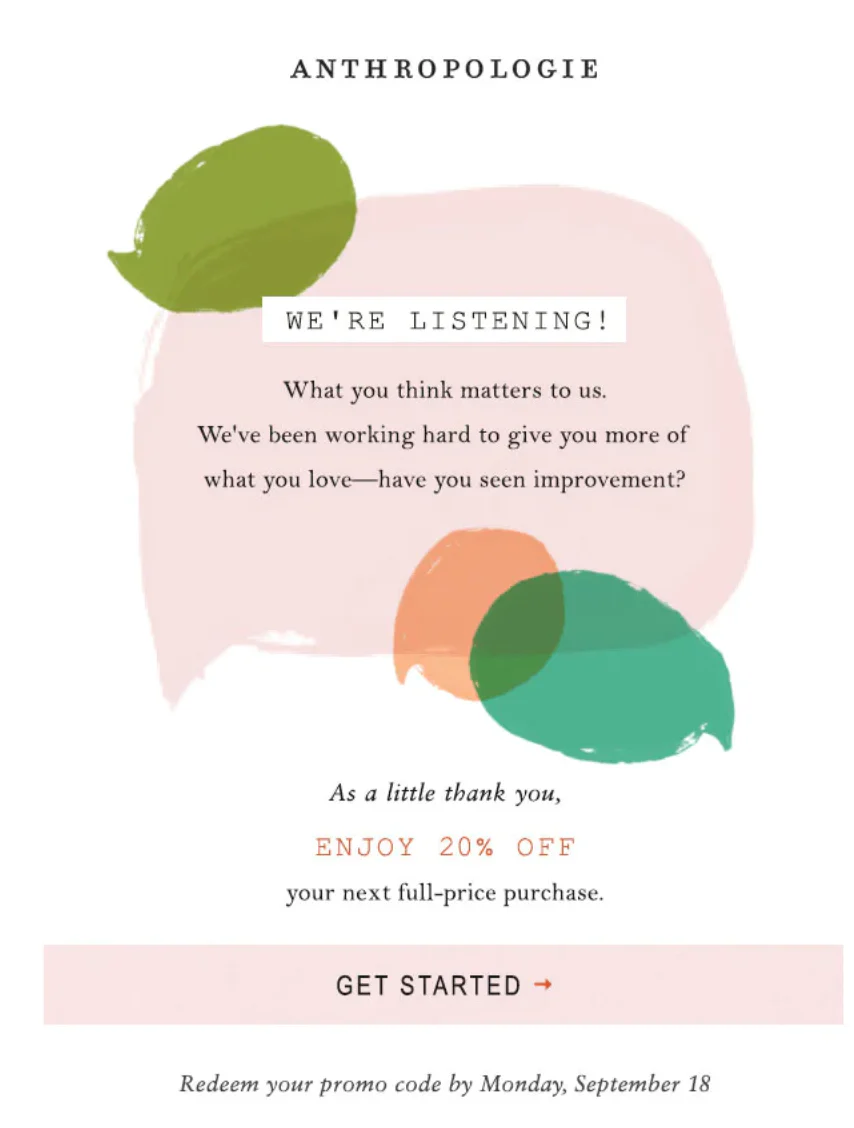
Let’s take an instance where a customer who usually repurchases every 30 days hasn’t returned after 45 days. Instead of a win-back discount, the brand surfaces a replenishment reminder, a back-in-stock alert for a viewed product, or a loyalty progress update. If engagement continues to slow, early access to an upcoming drop or a curated edit can re-engage without eroding margin.
By intervening early, you can protect customer lifetime value and reduce reliance on heavy discounts. Over time, churn prevention becomes one of the most efficient ways to increase LTV because it keeps demand active instead of trying to recover it later.
6. Build a community
Metric to track: Returning customer revenue
Community shifts the relationship from a transactional to an emotional one. Instead of customers only engaging at checkout, they interact with the brand through shared moments, exclusive content, and recognition. This keeps customers emotionally connected between purchases, which raises returning customer revenue without constant promotions.
A few actionable ways to build community include:
App-only drops or challenges.
Gated content for logged-in members.
Rewarding reviews, referrals, and UGC.
Highlighting customers inside the app or emails.
Using customer profiles and automation (e.g., Shopify Flow and segmentation), identify the most engaged customers and deliver tailored experiences.
7. Build post-purchase flows that build rapport
Metric to track: Repeat purchase rate
Post-purchase flows are the messages and experiences that customers receive after they place an order, designed to guide, reassure, and engage them beyond the transaction. When done well, they reduce buyer’s remorse, build trust, and accelerate the path to a second purchase — one of the strongest drivers of long-term customer lifetime value.
Strong post-purchase flows go beyond an order confirmation email. They include:
Clear order and shipping updates that reduce support tickets.
Usage tips, onboarding content, or care instructions that help customers get value faster.
Upsell or cross-sell recommendations tied directly to what was purchased.
Timely follow-ups requesting reviews or feedback once the customer has had time to use the product.
These flows are usually orchestrated through lifecycle tools like Klaviyo, with push notifications reinforcing high-impact moments such as delivery confirmations or replenishment reminders.
When post-purchase communication feels genuinely helpful and treated as part of the customer experience, they become a reliable way to turn first-time buyers into repeat customers without relying on discounts or reactive win-back campaigns.
8. Improve customer support
Metric to track: Customer churn rate
Customer support has a direct impact on churn. When issues are handled quickly and with a clear understanding of the customer’s situation, customers are far more forgiving and more likely to stay loyal.
Brands known for standout winning support experience operate differently. Their support teams have full visibility into order history, loyalty status, and past customer interactions.
For example, a VIP customer experiencing a delivery delay might receive proactive updates or priority resolution, while first-time buyers get reassurance and clear timelines.
Support platforms like Gorgias integrate with Shopify and your CRM data, making these customer-centric interactions more informed and effective. When paired with push notifications or in-app updates, brands can resolve issues faster and reduce frustration.
9. Capture and leverage customer feedback for improvement
Metric to track: Returning customer revenue
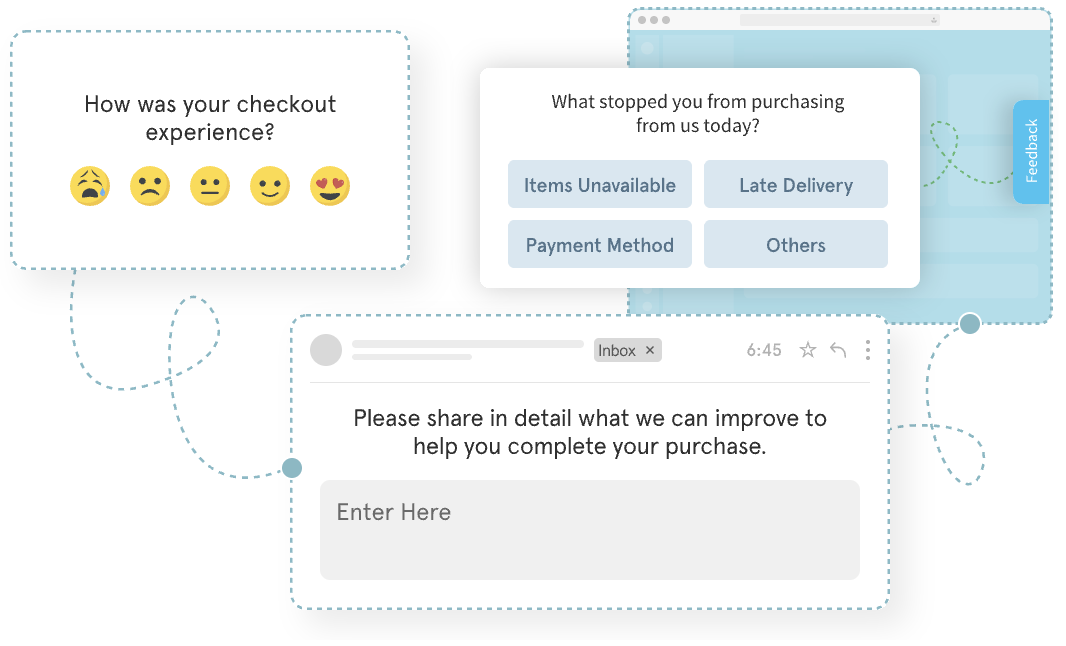
Feedback drives growth but only when it’s acted on. Pull insights from reviews, NPS surveys, post-support interactions, and cancellation data to identify where customers struggle. Then fix those moments before they turn into friction or drop-offs.
For example, repeated feedback about sizing confusion might lead to better product descriptions or size guides. Negative feedback from churned customers can inform retention offers or onboarding improvements.
Post-purchase surveys feed these insights back into CRM systems, where they can shape segmentation and messaging. Customers are more likely to stay loyal when they see that their feedback is acknowledged and reflected in visible improvements.
10. Build habit loops with timely push notifications
Metric to track: App-engaged cohort LTV
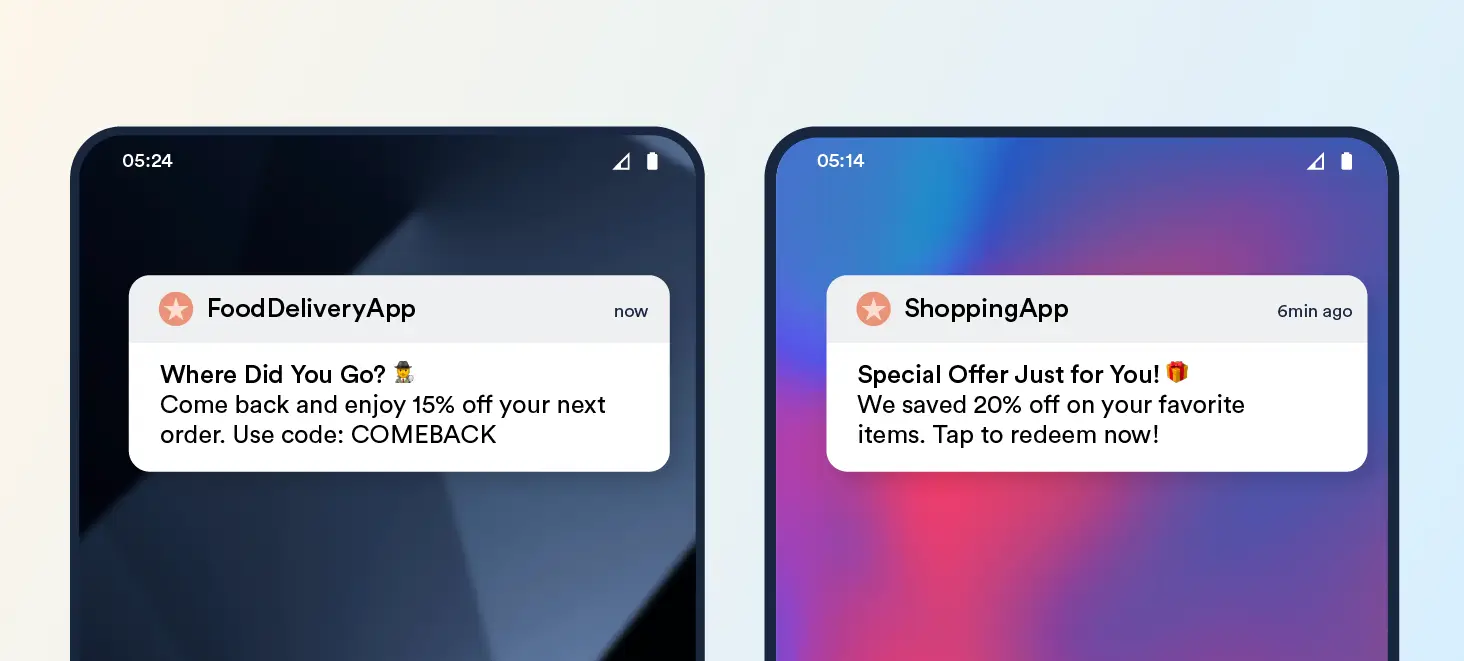
Push notifications are short, direct messages delivered to a customer’s device through your mobile app. Unlike email or SMS, they reach customers instantly without competing with inbox clutter or carrier filtering, making them one of the fastest ways to re-engage high-intent shoppers.
Push notifications increase customer lifetime value when they’re triggered by behavior, not sent as scheduled blasts. When notifications arrive at the exact moment a customer is likely to act, they reinforce habits and bring shoppers back into the buying loop at high-intent moments.
Effective examples of timely push notifications include:
Back-in-stock alerts for products a customer previously viewed.
Early-access notifications for VIP launches or gated drops.
Reorder reminders timed to past purchase cadence or expected depletion.
Loyalty or tier-progress updates that reinforce status and momentum.
When delivered through a branded app, these messages feel contextual rather than intrusive. Customers tap directly into the app, land on a relevant screen, and complete an action with minimal friction.
Over time, this creates habit loops. Customers begin to associate your app with useful, timely nudges instead of promotional noise. That repeat engagement compounds into higher app-engaged LTV, stronger retention, and more predictable revenue.
Platforms like Superfans enable this by tying push notifications directly to lifecycle data, real-time behavior, and customer segments, turning moments of attention into repeat purchases rather than one-off interactions.
Which tactics do you start with first?
Not every brand should implement all ten tactics at once. The right starting point depends on your growth stage, data maturity, and where retention is currently breaking down.
Early-stage brands: Start with personalization, post-purchase flows, and loyalty basics. The goal is to drive second purchases and establish repeat behaviour without adding unnecessary operational complexity.
Mid-stage brands: Prioritise app strategy, exclusive access, and retention automation. Owned channels, gated experiences, and lifecycle-triggered communication help increase purchase frequency and keep customers engaged between launches.
Scaling brands: Invest in a full loyalty ecosystem and advanced personalization. Cohort-based experiences, tiered loyalty, and app-led journeys unlock LTV growth from your highest-value customers and turn retention into a durable advantage.
Metrics to track when increasing LTV
Revenue alone won’t tell you whether customers are becoming more loyal, buying more often, or drifting away quietly. These metrics show why LTV is moving, revealing whether your retention, personalization, and owned-channel marketing efforts are actually compounding over time:
Repeat purchase rate: The percentage of customers who place a second (or subsequent) order. A steady increase signals stronger retention and product-market fit.
Time between purchases: The average gap between customer orders. Shorter intervals indicate higher engagement and faster LTV compounding.
Returning customer revenue: The share of total revenue coming from existing customers. Higher contribution means reduced reliance on paid acquisition.
AOV uplift: The increase in average order value across repeat purchases. Often driven by better merchandising, bundles, and personalized offers.
Churn: The rate at which customers stop buying over a defined period. Lower churn extends customer lifespan and directly lifts LTV.
App-engaged cohort LTV vs non-app users: A comparison of lifetime value between app users and non-users. App-engaged cohorts typically deliver higher frequency and retention.
Frequency of VIP customers: How often your highest-value customers purchase. Growing this frequency is one of the fastest ways to raise overall LTV.
Build a brand that wins on retention
The brands that win on retention focus less on chasing new customers and more on strengthening existing customer relationships. They reward loyalty, create momentum around launches, and give customers reasons to come back that go beyond discounts.
That’s why high-performing brands invest in tactics that support repeat behaviour at scale— personalised experiences, visible loyalty, gated access, and owned surfaces where launches and relationships live. These aren’t nice-to-haves. They’re the difference between short-term revenue spikes and growth that compounds.
Superfans supports this by bringing personalization, loyalty, and community together inside a branded mobile app, giving brands a durable way to engage their highest-value customers through VIP access, launches, and tailored experiences that evolve over time.
If retention and long-term customer value are priorities, Superfans provides the infrastructure to support that strategy as it compounds.
Book a demo to see how Superfans fits into a modern retention stack.
Frequently asked questions (FAQs)
What's a good CAC to LTV ratio?
A healthy Customer Acquisition Cost (CAC) to LTV ratio is typically 1:3 or better. This means that for every dollar you spend acquiring a customer, you generate at least three dollars in lifetime value.
Ratios below this often signal weak customer retention or poor unit economics, while higher ratios indicate strong repeat purchases and sustainable growth.
What is the 80/20 rule for customer lifetime value?
The 80/20 rule suggests that roughly 20% of customers generate around 80% of a brand’s revenue. In LTV terms, this means a small group of high-value customers drives disproportionate impact.
The goal is to identify this cohort early and design better customer experiences, like VIP access, loyalty perks, and app-led journeys, that keep them buying more often and for longer.
What are the 4 C's of customer loyalty?
The 4 C’s of customer loyalty are:
Consistency: Make sure customers know what to expect from your brand.
Convenience: Reduce friction across shopping, checkout, and support.
Connection: Build emotional engagement through personalization and community.
Confidence: Comes from trust, reliability, and strong post-purchase experiences.
Thank you! Your submission has been received!
Oops! Something went wrong while submitting the form.
This is some text inside of a div block.
"Looking for creative push notification ideas? Check out our free templates and start customizing!"







.png)