Hey, we’re online and here to help you anytime! You’re one step closer to building a stunning mobile app for your e-commerce store. Get on a call with us to see Vajro in action.
Hey, we’re online and here to help you anytime! You’re one step closer to building a stunning mobile app for your e-commerce store. Get on a call with us to see Vajro in action.
Mobile shopping has matured faster than most brands anticipated. Today, simply being available on mobile is no longer enough to drive growth. In 2026, the question isn’t whether customers can shop on mobile. It’s whether they choose to come back to your brand.
Consumers live on their phones, but they don’t linger. They evaluate brands quickly, disengage just as fast, and return only when mobile experiences feel reliable, relevant, and genuinely worth their time. Simply being “mobile-friendly” is no longer enough to drive meaningful growth.
As a result, mobile revenue growth no longer comes from maximising engagement alone. It comes from converting that engagement into confidence, repeat purchases, and long-term relationships that hold up beyond a single session or campaign.
This shift is consistent across insights from leading industry research, including reports from DHL and KPMG.
While specifics vary, one pattern is clear: brands that win aren’t optimizing isolated moments in the mobile journey. They’re investing in mobile experiences that carry context forward, reduce friction over time, and support retention as much as conversion.
The trends below, drawn from DHL and KPMG’s latest research, highlight how mobile commerce is evolving into a durable revenue driver in 2026, and what brands need to prioritize as customer expectations continue to rise.
Trend 1: Mobile-first behaviour becomes the default, but expectations rise
Smartphones are now the primary interface for shopping. Browsing, purchasing, returns, and repeat orders increasingly happen on mobile.
Customers now judge brands by how well their mobile commerce experience performs under real conditions. They expect fast load times, session continuity, and interfaces designed for one-handed use. When these basics break, engagement drops and abandonment rises.
Why this drives revenue
When mobile commerce meets baseline expectations for speed and reliability, customers complete online store purchases more often and return more frequently. Revenue grows by removing friction at high-intent moments, not by adding persuasion, reducing cart abandonment.
How to leverage:
Design mobile-native flows: Shorten the checkout process, reduce input, and enable high-intent actions early in the customer journey, such as recently viewed items or replenishment prompts.
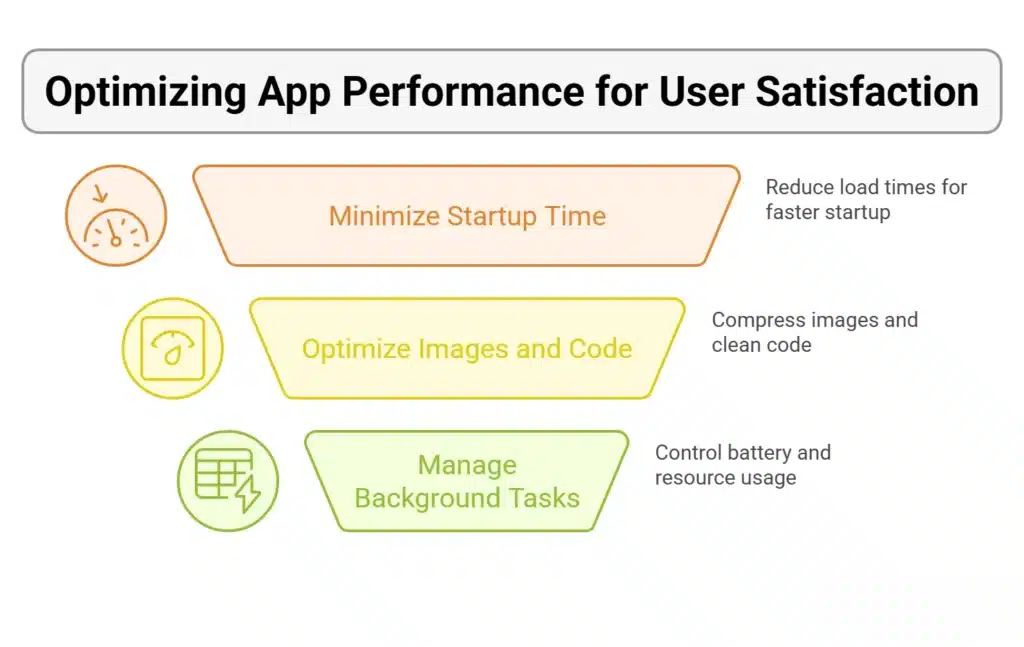
Prioritise performance: Optimise for fast load times, stable sessions, and minimal re-renders. On mobile devices, even small delays increase abandonment rates.
Treat mobile as the primary experience: Design mobile-first and let desktop inherit from that logic, aligning with how customers actually shop.
Platforms like Superfans.io help brands deliver fast, session-aware mobile app experiences where context carries across visits, supporting repeat engagement without added friction.
Trend 2: Trust becomes a prerequisite for mobile conversion
Concerns around fraud, delivery reliability, and dispute resolution remain high, even among experienced online shoppers. On mobile, customers often reach checkout with clear intent but hesitate when payment options, delivery timelines, or returns feel unclear. That hesitation is one of the most common causes of cart abandonment.
This matters because mobile purchases happen in compressed moments. Customers check out while multitasking, commuting, or late at night. They won’t dig through FAQs or support pages to resolve uncertainty. If something feels off, they leave.
Trust on mobile is built through consistency. Familiar payment methods, clear delivery expectations, and predictable post-purchase communication reduce perceived risk. When any of these elements break (even briefly), customers reassess the purchase, including on repeat visits.
Why this drives revenue
Trust removes friction at the moment of decision. When customers feel confident about payment, delivery, and resolution on mobile, conversion rates rise and repeat purchases become more likely. Over time, this directly improves mobile revenue and lifetime value.
How to leverage this:
Surface reliability early: Make delivery timelines, return policies, and dispute resolution visible within the mobile shopping experience. Don’t bury them in footers or post-checkout emails.
Reinforce trust across touchpoints: Make sure payment methods, fulfillment updates, and support access feel consistent across mobile apps, confirmation screens, and post-purchase flows.
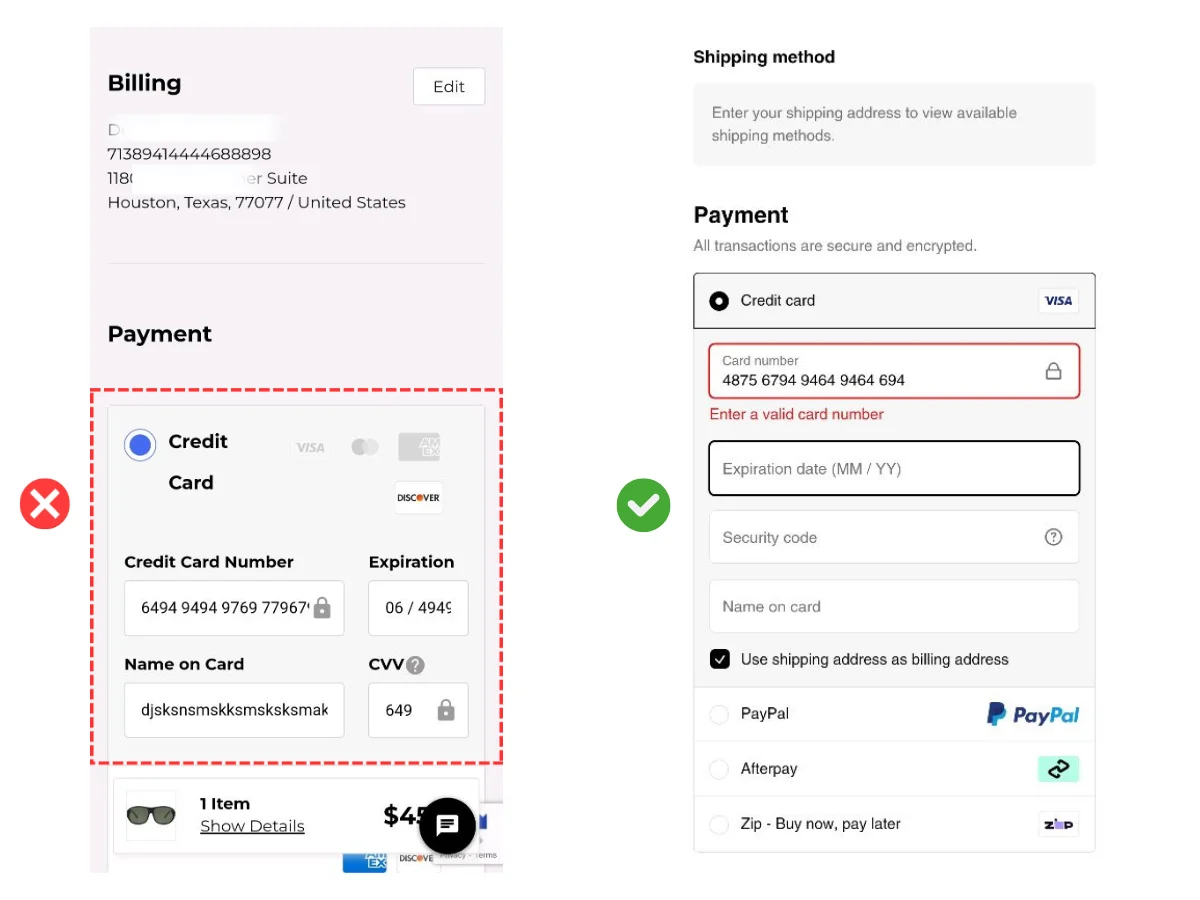
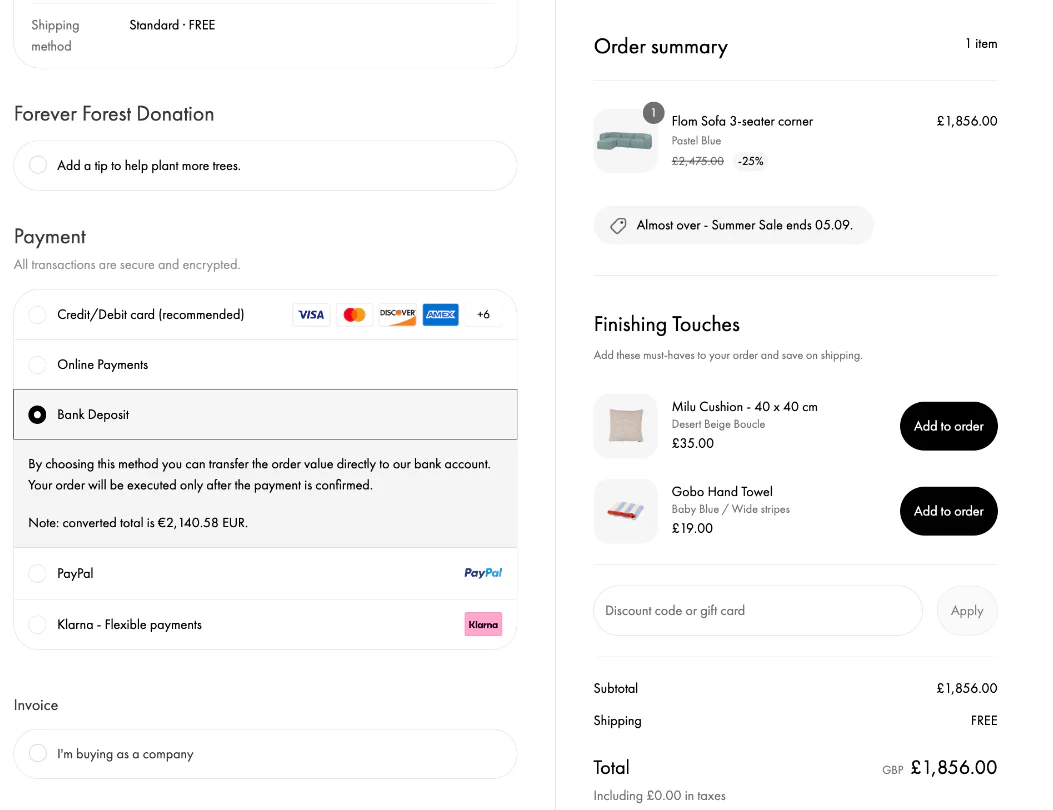
Reduce uncertainty at checkout: Use clear language, familiar mobile payment options (such as digital wallets), and explicit confirmation steps. Reinforce what happens next: shipping timelines, notifications, and support access.
Trend 3: Personalization shifts from targeting to relevance
In m-commerce, personalisation works best when it feels invisible.
Mobile shoppers expect experiences that respond to their behaviour across mobile devices without drawing attention to the system behind them. When the experience aligns with their immediate needs, engagement increases. When it doesn’t, relevance breaks and attention drops.
Relevance comes from continuity. On mobile, customers carry context across sessions: what they viewed, what they buy repeatedly, and where they tend to hesitate. Personalization that reflects this ongoing context reduces effort, which matters in fast, fragmented mobile shopping moments where patience is limited.
Why this drives revenue
Relevant personalization lowers decision friction. When reminders, recommendations, and alerts match real intent, customers return more often and add more to each order. Revenue grows through higher purchase frequency and larger baskets, without triggering fatigue or distrust.
How to leverage:
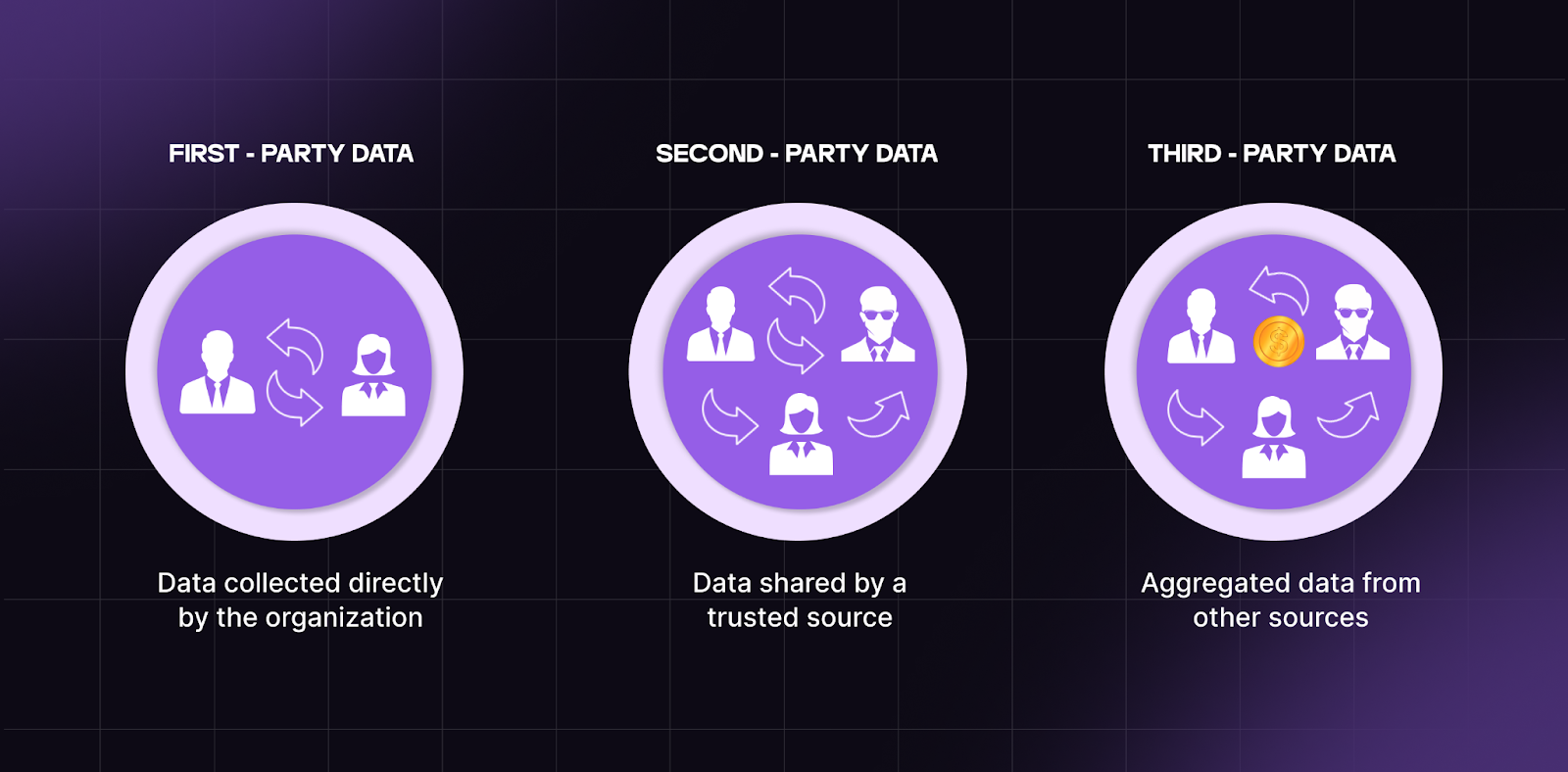
Personalise around behaviour and intent: Use first-party signals such as browsing depth, purchase cadence, and recency across mobile apps and sites. A returning shopper replenishing a product should see a different experience from a first-time browser.
Focus on usefulness inside the journey: Prioritise reorder reminders, availability alerts, size-specific recommendations, and in-app prompts that help customers complete tasks quickly on mobile devices.
Maintain continuity across touchpoints: Make sure personalisation carries across sessions, mobile shopping apps, and other owned channels. When context resets, relevance breaks, and abandonment rates rise.
Superfans.io supports lifecycle-aware personalized experiences inside the app, allowing experiences to evolve naturally from first purchase to repeat use, grounded in continuity rather than complexity.
Trend 4: First-party data becomes central to mobile revenue growth
Mobile commerce revenue increasingly depends on whether brands recognise the same customer across sessions and channels.
Consumer and retail teams are prioritising first-party data because fragmented customer data disrupts continuity in the shopping experience. When customer data is fragmented across disconnected ecommerce platforms, personalization weakens, journeys reset, and re-engagement becomes inefficient.
Revenue leaders are responding by building a single customer view across mobile apps, mobile websites, and other owned channels. Behaviour captured directly from mobile interactions carries forward, allowing experiences to remain consistent as customers return.
This continuity is what turns mobile from a one-off conversion surface into a repeat-revenue channel.
Why this drives revenue
A unified customer view improves relevance and timing. When experiences reflect real behaviour rather than assumptions, conversion rates improve, retention increases, and reliance on repeat acquisition spend decreases.
How to leverage:
Consolidate customer data across owned channels: Make sure mobile commerce, web, and lifecycle systems reference the same identity and behavioural history so the experiences don’t reset between visits.
Reduce dependence on third-party signals: Prioritise customer data collected directly from mobile apps and online shopping interactions, where intent and timing are clearer.
Use first-party data to guide timing and messaging: Let real behaviour determine when to trigger in-app messages, push notifications, or follow-ups to increase relevance and reduce friction.
Trend 5: AI adoption accelerates but only where it delivers value
Artificial intelligence is now embedded across ecommerce and mobile commerce systems. What differentiates high-performing teams isn’t how much AI they deploy, but how selectively they apply it to problems that directly affect revenue and efficiency.
In m-commerce, broad experimentation is giving way to disciplined use cases tied to outcomes. Teams are applying AI to recommendations, demand forecasting, and experience optimisation, while pairing these efforts with governance, security, and explainability.
When teams can’t clearly explain how AI influences pricing, messaging, or personalization, trust erodes and adoption stalls.
Why this drives revenue
AI increases mobile commerce performance when it sharpens relevance and removes operational drag. Applied to focused problems, it lifts conversion rates, improves engagement, and scales personalization.
However, when it adds opacity or complexity, it slows execution and undermines confidence.
How to leverage:
Apply AI to revenue-linked use cases: Focus on applications that directly influence ecommerce sales, such as product recommendations in mobile apps, demand prediction for inventory planning, or optimising the checkout experience.
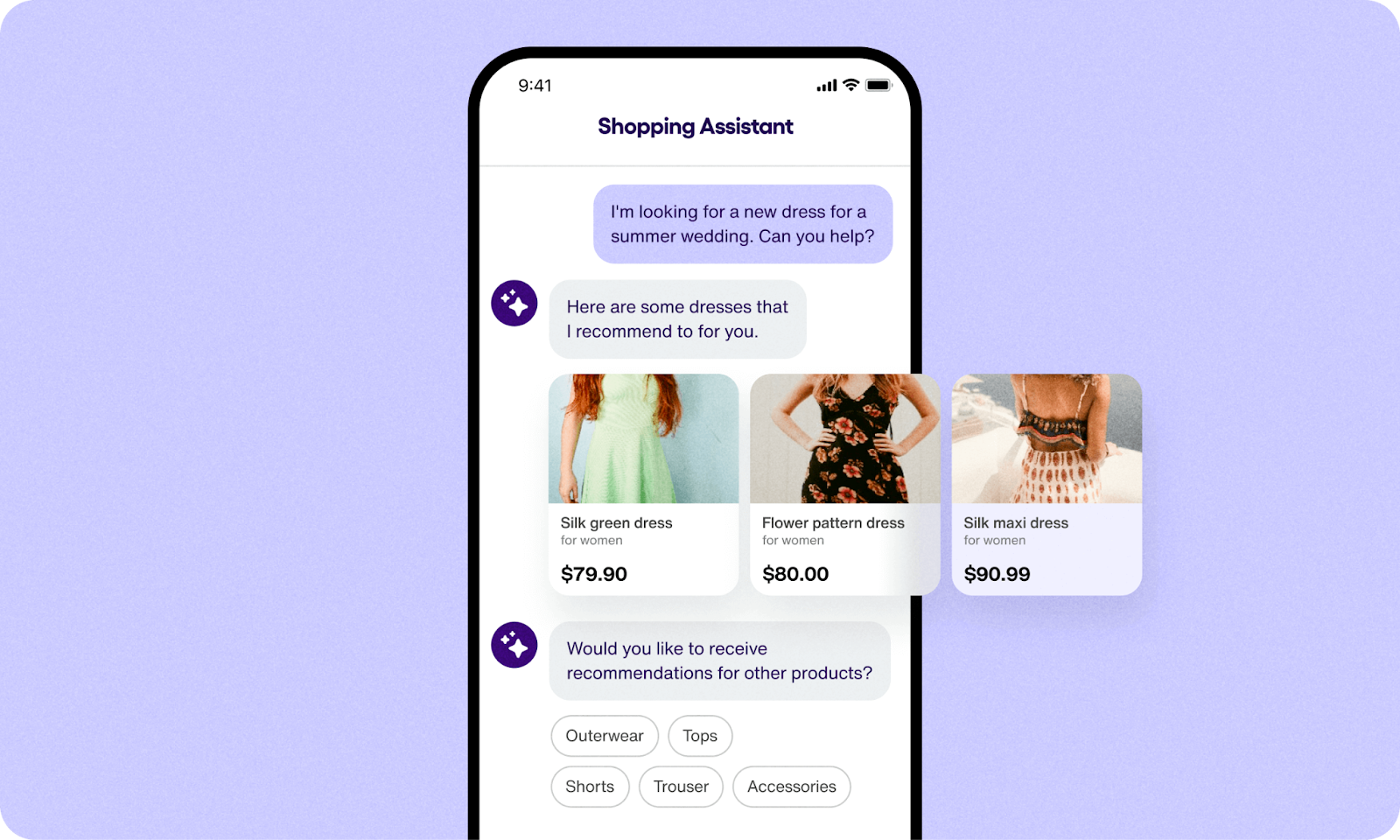
Embed AI into existing workflows: Integrate AI outputs into systems that teams already rely on, including ecommerce platforms, mobile applications, and customer support tools. For example, use chatbots within your shopping apps to resolve FAQs or guide product discovery without adding new tools.
Build governance into deployment: Define clear rules for customer data usage, model behaviour, and escalation. Explainability and security should be foundational rather than an afterthought.
Measure impact using business KPIs: Evaluate AI initiatives using KPIs like conversion rates, repeat purchase behaviour, cart abandonment, and operational efficiency. Remove models that don’t move these indicators.
Trend 6: Hybrid commerce models shape mobile experiences
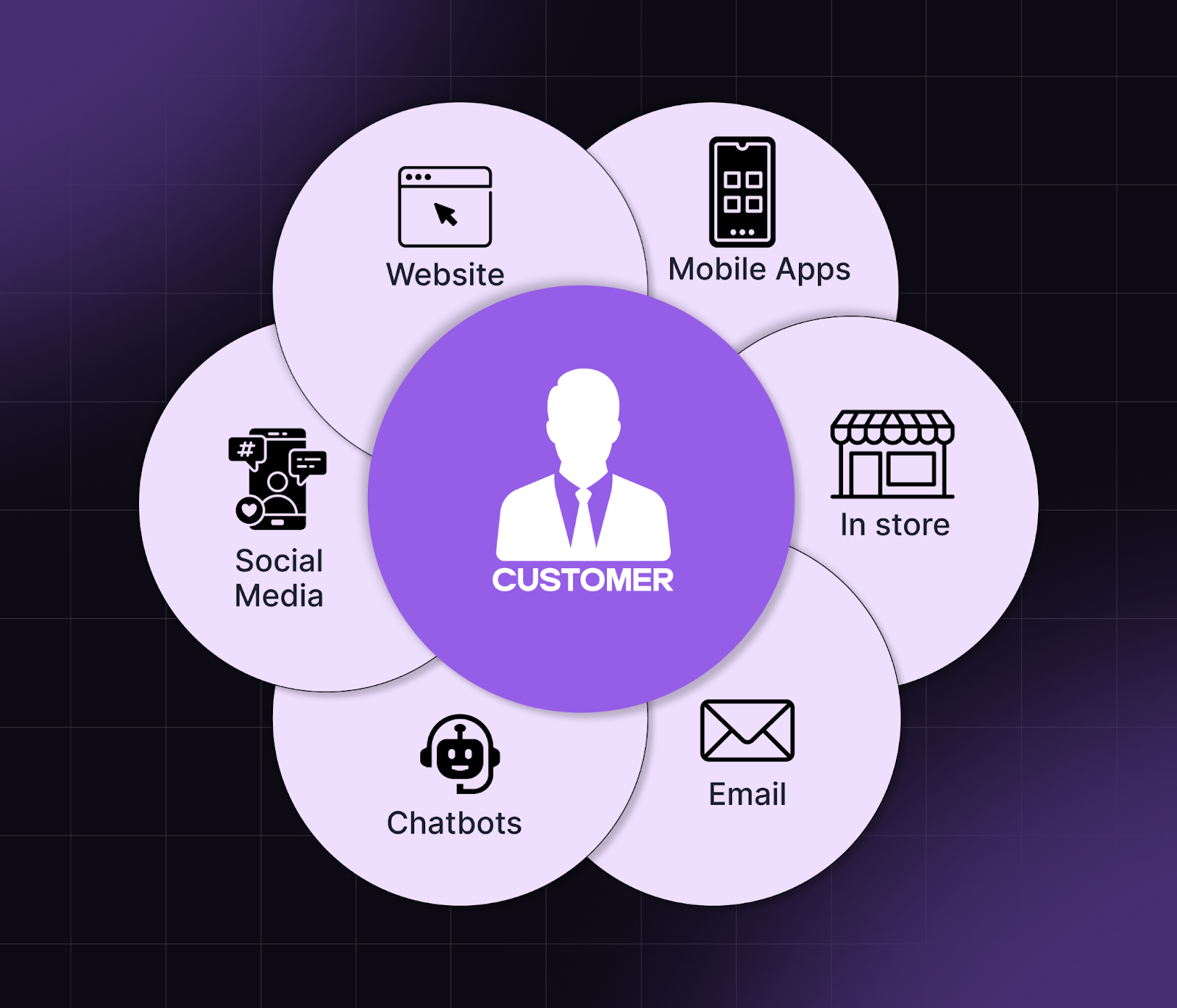
Customers rarely follow a clean online-only path. They browse on mobile devices, purchase when it’s convenient, track orders in real time, and rely on in-store touchpoints or human support to complete the experience. Mobile phones now act as the coordination layer that connects these moments.
As a result, mobile journeys extend beyond checkout. Customers expect mobile apps and mobile websites to support availability checks, order tracking, returns, and issue resolution alongside purchasing.
When mobile experiences support this flow, confidence vyukds. When they don’t, friction shows up late in the journey.
Why this drives revenue
Supporting real-world shopping behaviour reduces uncertainty. When mobile commerce aligns with offline and in-store realities, customers complete online purchases with more confidence and return more often. Lifetime value increases through dependable, omnichannel experiences.
How to leverage:
Design mobile journeys that complement offline behaviour: Support actions customers already take, such as checking in-store availability, tracking delivery status, or managing returns from mobile devices.
Make fulfillment and support visible: Offer order tracking, return policy, FAQs, and customer support access clearly within mobile apps and mobile sites. Visibility reduces post-purchase anxiety and abandonment.
Treat mobile as a continuity layer: Use mobile to carry context across browsing, purchasing, fulfillment, and support, rather than treating it as a standalone conversion funnel.
Trend 7: Social and conversational commerce influence mobile discovery
Mobile discovery increasingly starts outside the storefront. Customers now encounter products through social commerce feeds, creator content, and conversations long before they reach the product page.
Platforms like Instagram and TikTok shape interest and intent, while messaging channels and conversational interfaces build confidence and influence decision-making. By the time a customer arrives at your mobile experience, they often already have context and set expectations.
Why this drives revenue
When inspiration and intent carry through without interruption, conversion rates rise. Brands that preserve context from discovery to mobile experience reduce drop-off, improve acquisition efficiency, and capture demand before it cools.
How to leverage:
Connect discovery to mobile entry points: Route traffic from social feeds, creator links, and conversational channels to mobile landing experiences that match the original message, product, or offer.
Shorten the path to purchase: Minimise the number of screens between inspiration and checkout in mobile apps. Every extra step increases abandonment when intent is already formed.
Maintain consistency across touchpoints: Language, positioning, and offers seen on social media platforms should match what customers experience within your site and mobile app, creating a coherent omnichannel flow.
Trend 8: Customer experience consistency becomes a differentiator
Customers increasingly judge brands by how consistent the experience is over time and across touchpoints.
As interactions span mobile apps, email, and support, customers expect continuity. They expect their history, preferences, and progress to carry forward when they return on mobile devices. When experiences reset, confidence drops.
Consistency now shows up as behavioural memory. Customers notice when recommendations change unexpectedly, messages feel disconnected, or journeys restart. Mobile experiences that retain context reduce effort and make repeat visits feel natural.
Why this drives revenue
Seamless experiences reduce friction on every return visit. When customers don’t have to re-learn the experience, repeat purchases increase and drop-off across sessions declines, strengthening long-term revenue.
How to leverage:
Align expectations across touchpoints: Keep messaging, design cues, and offers consistent across mobile apps, emails, and support interactions.
Preserve context between sessions: Carry forward preferences, browsing history, and progress so customers don’t have to start over.
Design for familiarity: Build mobile shopping experiences that feel recognisable and intuitive, reducing cognitive load and reinforcing confidence.
Superfans.io helps maintain this continuity by retaining customer context across app sessions, so journeys and messaging evolve naturally as customers return.
Trend 9: Payment experience influences mobile conversion more than brands expect
Friction at checkout remains one of the biggest causes of mobile abandonment. Customers often reach the final step with clear intent but hesitate when the payment experience feels slow, unfamiliar, or unreliable. On mobile devices, even minor friction at this moment can undo the entire journey.
Payment expectations have hardened. Mobile shoppers now assume familiar options, fast confirmation, and minimal effort by default. They expect to complete checkout without re-entering information or questioning security. When payment flows feel intuitive and trusted, purchases complete naturally. When they don’t, abandonment spikes.
This matters for both first-time and repeat purchases. New customers look for reassurance through recognisable payment methods. Returning customers expect speed and continuity. For both, payment simplicity boosts confidence at the exact moment of decision.
Why this drives revenue
Faster, trusted mobile payments reduce last-step abandonment and lift conversion rates. When checkout feels effortless, more high-intent sessions turn into completed orders, directly increasing mobile commerce revenue.
How to leverage:
Offer familiar payment methods: Support widely used options such as mobile wallets and digital wallets, including Apple Pay and Google Pay, alongside standard card payments.
Reduce checkout friction: Minimise steps, limit data entry, and keep the shopping cart stable throughout the payment flow. Fewer interruptions lead to higher completion rates.
Reinforce trust at the moment of decision: Clearly signal payment security, reliability, and next steps during checkout. Confidence at this step determines whether intent converts.
Trend 10: Consumers expect control, not just convenience
Convenience is no longer enough. Customers increasingly expect choice across the entire journey: how items are delivered, how they pay, how returns work, and how often a brand communicates with them. When mobile experiences feel rigid or overly prescriptive, engagement drops even if the flow is technically smooth.
This reflects a shift in how service quality is judged. Customers don’t just evaluate how easy an experience is. They evaluate whether it adapts to their preferences. Mobile commerce journeys that force default options signal indifference rather than efficiency, especially to repeat buyers who expect recognition and flexibility.
Control also strengthens trust. When customers can shape how and when they engage, they feel more confident committing to repeat purchases. Over time, that sense of agency strengthens loyalty.
Why this drives revenue:
Choice reduces hesitation and increases confidence. Customers return more often when they know they can manage delivery, communication, and post-purchase actions on their terms. Repeat usage improves because the experience feels accommodating rather than restrictive.
How to leverage:
Offer flexible options across the journey: Support multiple delivery choices, return paths, and payment methods so customers can choose what suits them best.
Design adaptive mobile experiences: Avoid one-size-fits-all flows. Let experiences adjust based on customer preferences, behaviour, and past interactions.
Give customers control over engagement: Provide clear ways to manage notifications, updates, and timing, preserving relevance while reducing fatigue.
Mobile commerce revenue in 2026 is built on intent, trust, and relevance
In 2026, mobile commerce has entered a more disciplined phase. Growth is no longer driven by simply being present on mobile, but by how intentionally the experience is designed, connected, and maintained over time.
Consumers are comfortable shopping on mobile devices, but they are also more selective. They return to brands that recognise them, reduce friction, and deliver consistent value across repeated interactions. As a result, revenue growth increasingly reflects how well brands convert mobile engagement into trust, repeat usage, and long-term relationships.
The brands that perform best are making deliberate tradeoffs:
They design mobile experiences for high-intent and high-value customers, not generic engagement at scale.
They organise journeys around lifecycle progression instead of one-off promotions or broadcast campaigns.
They measure success by how app-engaged customers behave over time rather than on single-session conversion metrics.
This is where platforms like Superfans.io come into play.
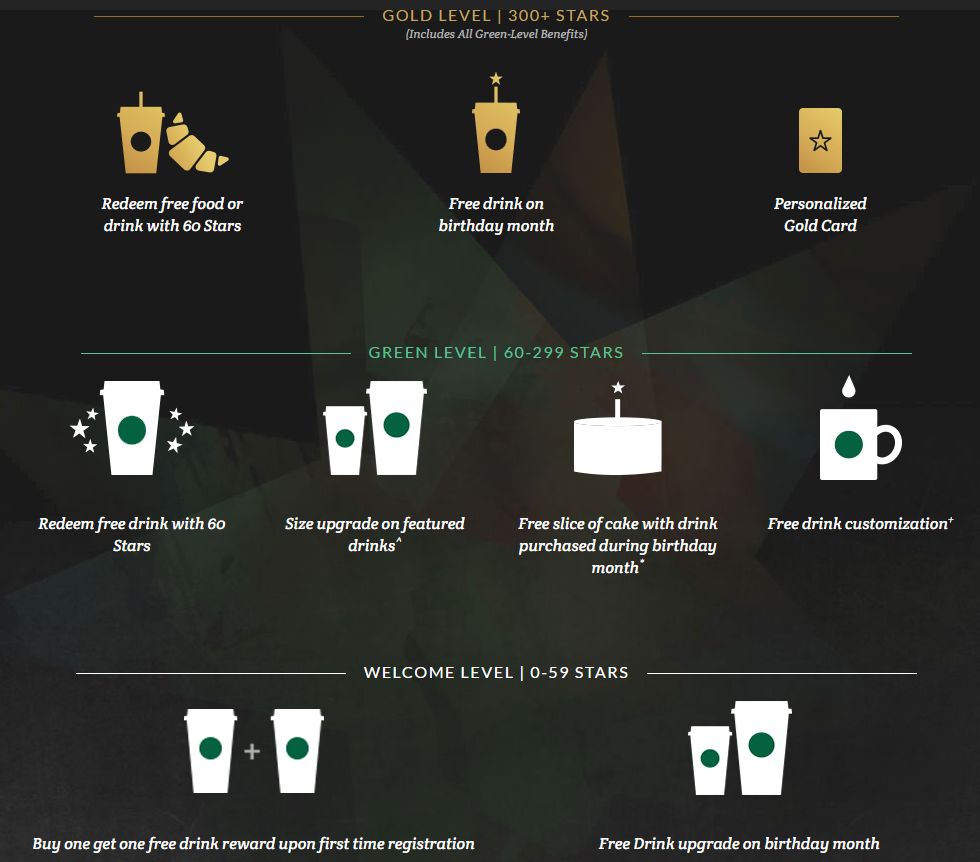
Superfans.io gives brands a mobile app environment designed for compounding retention. Customer context carries forward, VIP access and lifecycle moments are visible, and engagement deepens with every return visit.
Instead of treating mobile as a one-time conversion surface, it becomes a durable relationship layer that customers actively choose to come back to.
Book a demo to see how Superfans.io helps brands turn mobile engagement into long-term value.
Thank you! Your submission has been received!
Oops! Something went wrong while submitting the form.
This is some text inside of a div block.
"Looking for creative push notification ideas? Check out our free templates and start customizing!"








.png)