


Dedicated shopping apps convert roughly 3x higher than mobile web and 5x higher than desktop. That's the pitch every app builder makes, and it's true. It's also not automatic. A Shopify brand can launch an app, load it with the same product grid it had on its website, and watch its mobile app conversion rate settle in around 2 to 3%, basically where mobile web already was.
The gap between "we have an app" and "our app actually converts" comes down to a short list of specific, testable changes. Below are ten of them, covering push notifications, personalization, checkout friction, video, and live shopping, each with the data behind it and what to actually do this week.
Desktop ecommerce converts around 4.8%. Mobile web sits closer to 2.9%. A native app, done well, should land well above both, that's the entire reason to build one instead of just optimizing the mobile site. But an app with a generic product catalog, no personalization, and push notifications used only for "20% off everything" doesn't behave like a dedicated channel. It behaves like a smaller, slower version of the website.
The ten hacks below aren't theoretical. They're the specific mechanisms that separate an app converting at 2% from one converting at 6% or higher.
.png)
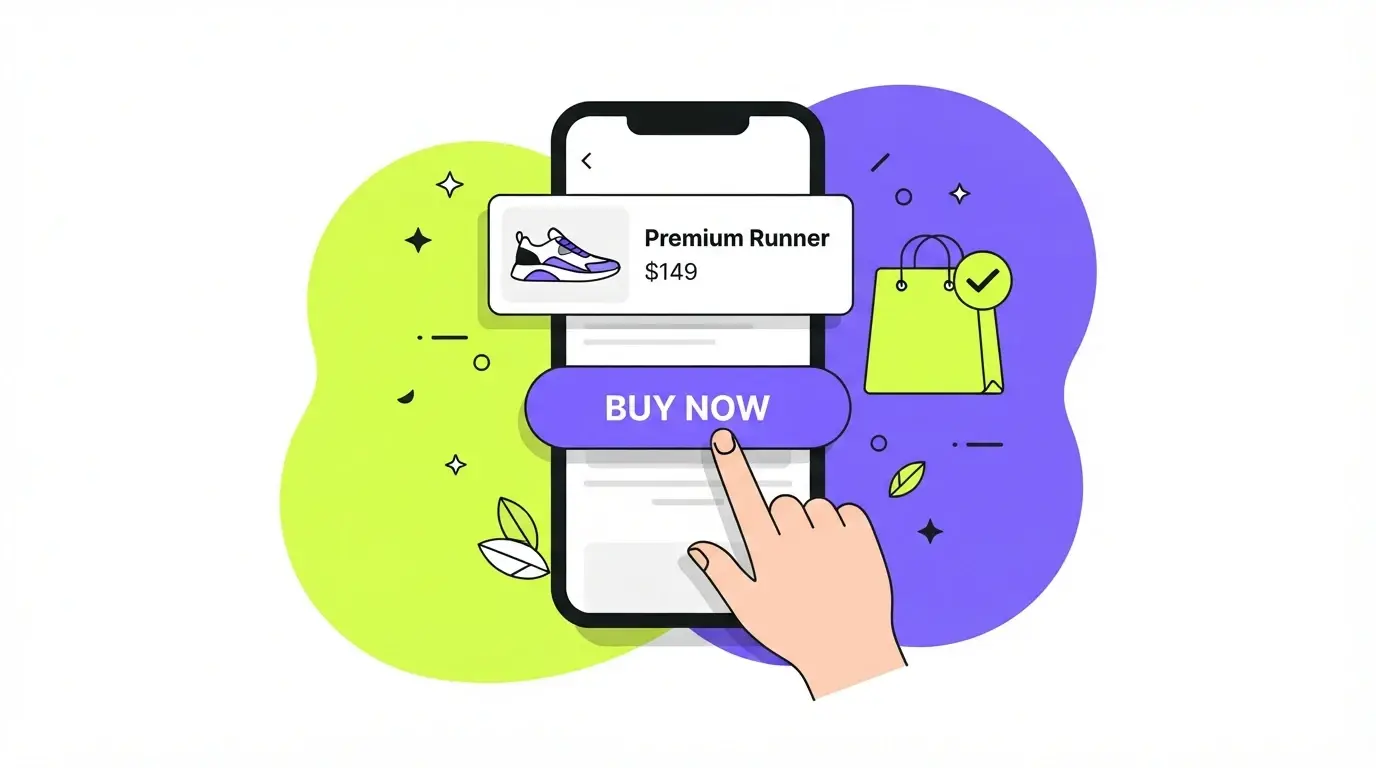
Mobile shoppers add to cart at a higher rate than desktop shoppers, and still abandon cart more often, close to 84% of the time on mobile versus roughly two-thirds on desktop. The gap isn't interest. It's friction: typing a card number and a shipping address on a phone keyboard is worse than doing it on a laptop, and every extra field is a chance to lose someone.
A native app removes most of that friction by design. Saved payment methods, saved addresses, and one-tap buy buttons turn checkout into a single confirmation instead of a form. If your app still routes people through a full multi-step checkout, that's the single highest-leverage fix on this list, before touching push, personalization, or anything else.
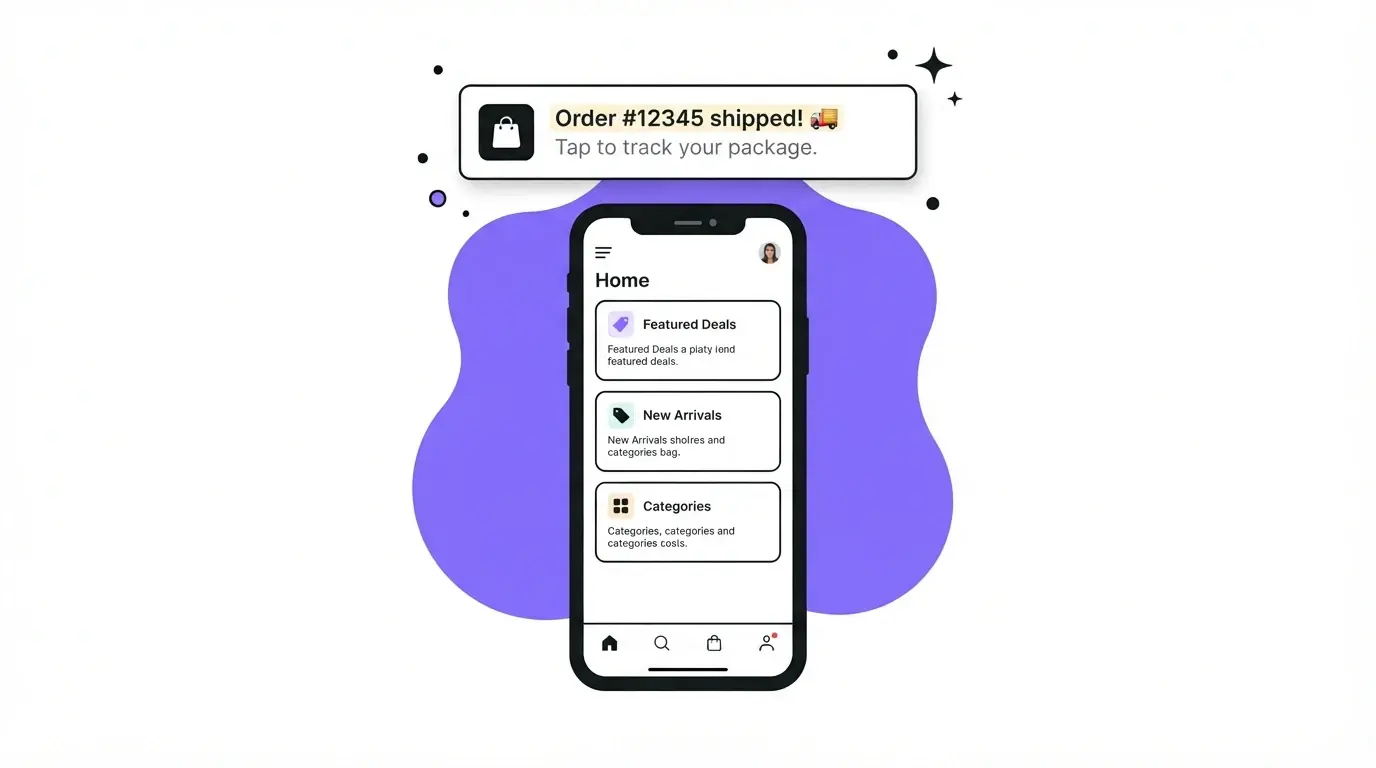
Ecommerce apps see an average push notification opt-in rate around 68%, which means most of your installed base has already agreed to hear from you. What they hear matters enormously: personalized push notifications convert up to 4x higher than generic blasts, and can roughly double long-term retention compared to one-size-fits-all messaging.
"Personalized" doesn't mean inserting a first name into a template. It means triggering the notification off actual behavior: an abandoned cart, a restocked item someone viewed, a price drop on a saved product. Superfans has a detailed guide to mobile app push notifications and how they drive sales that's worth working through line by line if this is still a "send a blast every Friday" situation.
This is the mechanism behind hack two, and it's worth calling out on its own because it's the part brands skip. Segmented push campaigns see open rates of roughly 7.9% versus 4.2% for unsegmented ones, and conversion rates of about 3.8% versus 1.5%. That's more than double, from splitting your list instead of changing your copy.
Start with three segments: new installs who haven't purchased, repeat customers, and lapsed users who haven't opened the app in 30-plus days. Each group needs a different message and a different offer. Sending all three the same "new collection is live" push is why open rates stay flat.
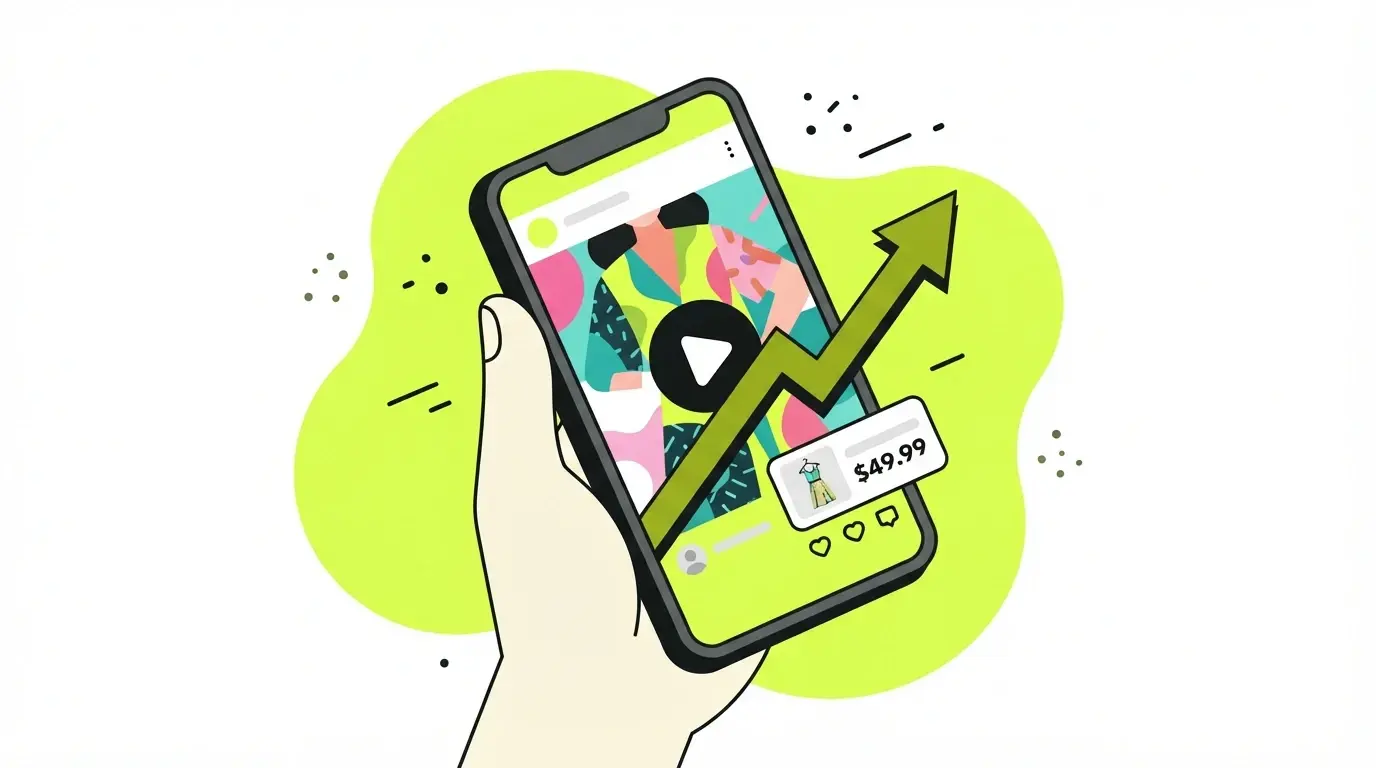
A static product photo answers "what does it look like." It doesn't answer "does it actually work," "how does it fit," or "is this worth the price," the questions that stall a shopper right before they check out. Video answers those questions, and inside an app, it can do so without the shopper ever leaving the screen: tap the product shown in the video, add it to cart, done.
Brands that have added shoppable video to their Shopify experience have seen conversion increases of 5 to 35% and average order value lift of 20 to 28%. Dr. Squatch saw a 26% conversion rate increase turning existing UGC into shoppable video; see the breakdown. This is covered in more depth, including the setup steps for a Shopify app specifically, in a companion guide on adding shoppable video and live shopping to a Shopify app.
Push notifications get someone to open the app. What they see in the first three seconds after that decides whether they stay. A home screen showing the same generic new-arrivals carousel to every user, regardless of purchase history or browsing behavior, wastes the exact moment personalization matters most.
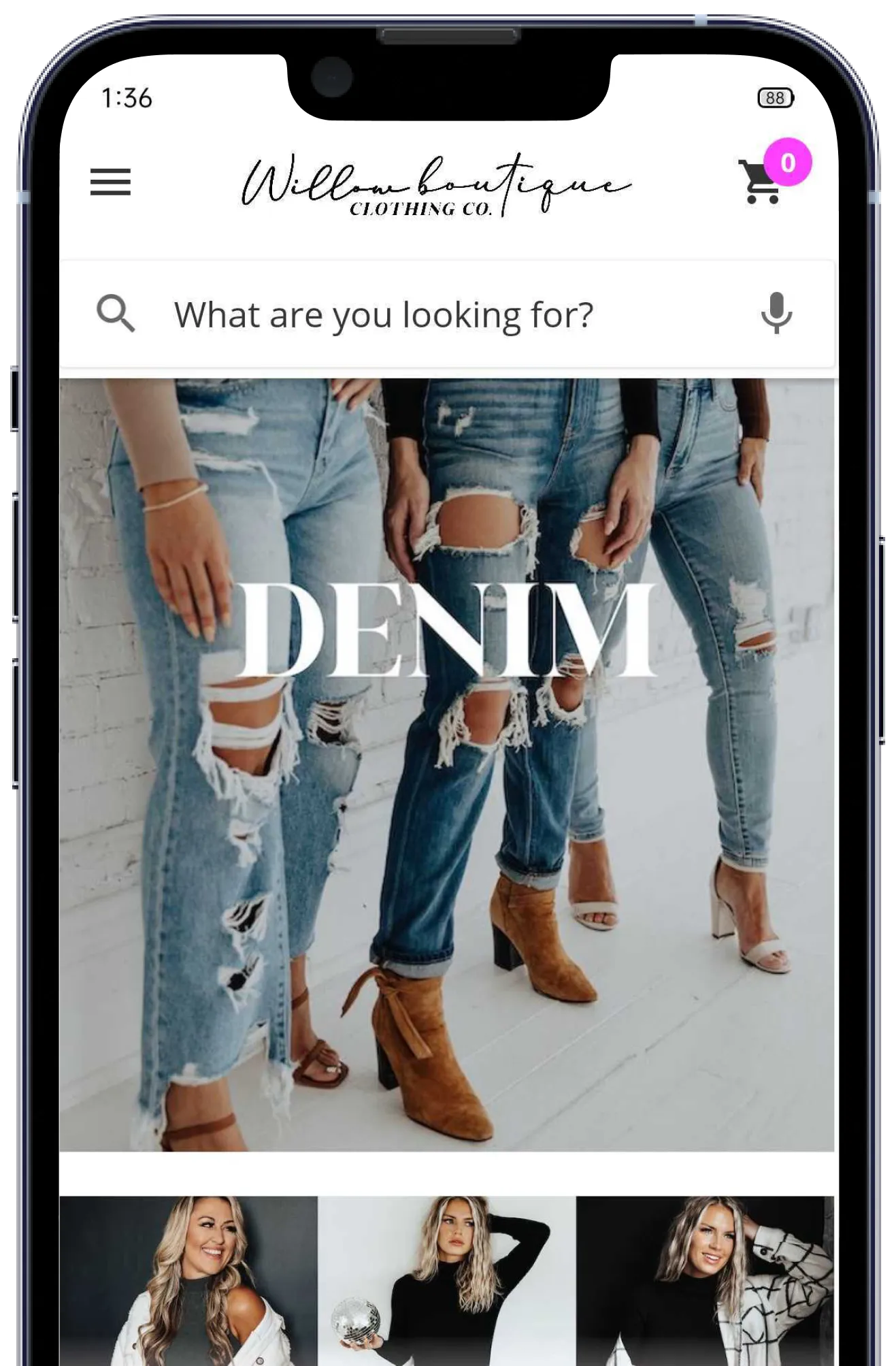
Surfacing products based on past purchases, recently viewed items, or even just device and location data measurably increases retention and time in app, which is why Superfans built a full breakdown on mobile app personalization and how to increase retention. The app becomes a different experience for a first-time visitor than for a five-time customer, the same way a good salesperson treats a regular differently than a walk-in.
A discount code that also works on the website isn't a reason to keep an app installed, it's a reason to close the app and go check the site instead. Early access and app-exclusive drops work differently: pre-order conversions typically jump around 30% when tied to a genuine early-access window, because urgency and exclusivity drive action in a way a percentage-off code doesn't.
The comparison matters enough that it's worth reading in full: Superfans has a direct breakdown of app-exclusive discounts versus coupon codes and which one actually drives repeat behavior versus one-time redemptions. Coupon codes win new customers. Exclusive access is what makes existing customers keep the app.
Most live shopping content is built to catch cold or warm social traffic. Running a live show inside your own app flips that: the audience already downloaded the app, already trusts the brand, and can be notified the second the show starts rather than hoping an algorithm surfaces it. Tibi generated $2.8M in new revenue from live shopping using close to this exact setup, an owned audience reached the moment a show goes live.
Every live show also saves automatically as a shoppable replay, so a single hour of selling keeps converting inside the app long after the stream ends. Superfans merchants get this live shopping and shoppable video layer built into their app free, including one live show, which makes this one of the lower-effort items on this list despite the outsized impact.
This is the hack with no visible symptom, because the people it loses never complain, they just close the app. A slow-loading product screen or a laggy video player doesn't generate a support ticket. It generates a silent drop in sessions per user that's easy to miss in a conversion rate dashboard because the people who bounce never reach the funnel step you're measuring.
Compress images before upload rather than relying on the app to do it at render time, lazy-load anything below the fold, and audit any third-party script or SDK for load impact at least once a quarter. None of this is glamorous. All of it compounds.
The first session decides whether someone becomes a repeat app user or a same-day uninstall. Forcing account creation before someone can browse a single product is one of the most common ways brands lose that first session. Let people look around, add to cart, and even reach checkout before asking for an account, then offer account creation as a one-tap option tied to the order they're already placing.
The same applies to notification permission requests. Asking for push permission the instant the app opens, before someone has seen any value, produces lower opt-in than asking after their first meaningful action, like an add to cart or a completed browse session.
Everything above is a starting hypothesis, not a guaranteed result for your specific audience. The brands seeing the high end of these ranges are the ones treating their app like a living product: tracking session-to-purchase funnels, A/B testing push copy and send times, and watching which home screen layout actually keeps people scrolling versus which one gets an immediate app close.
Most app platforms, Superfans included, surface this data natively. The mistake isn't lacking the data, it's checking it once at launch and never again. A monthly thirty-minute review of funnel drop-off points will surface more optimization opportunities than any single hack on this list.
App conversion rates typically range from 1 to 3% as a baseline, with well-optimized apps using personalization, video, and streamlined checkout reaching well above that. Since apps convert roughly 3x higher than mobile web on the same store, anything close to your mobile web rate signals the app isn't yet being used as its own channel.
Yes, but only when personalized and segmented. Generic push notifications average a 3 to 7% conversion rate, while personalized, behavior-triggered notifications can convert up to 4x higher and roughly double retention over time.
Brands adding shoppable video to their Shopify experience have reported conversion increases between 5 and 35%, alongside average order value gains of 20 to 28%, since video answers fit, use, and trust questions that a static photo can't.
Yes. Coupon codes are effective for acquiring new customers but don't give anyone a reason to prefer the app. Early access and app-only drops are what make an installed app worth keeping, and they tend to drive stronger repeat behavior than a percentage-off code that also works on the website.
At minimum, monthly. Push performance, home screen engagement, and checkout drop-off all shift as your catalog, audience, and season change, so a tactic that worked at launch can quietly stop working without a regular review of the funnel data.
"Looking for creative push notification ideas? Check out our free templates and start customizing!"





.png)
.png)