


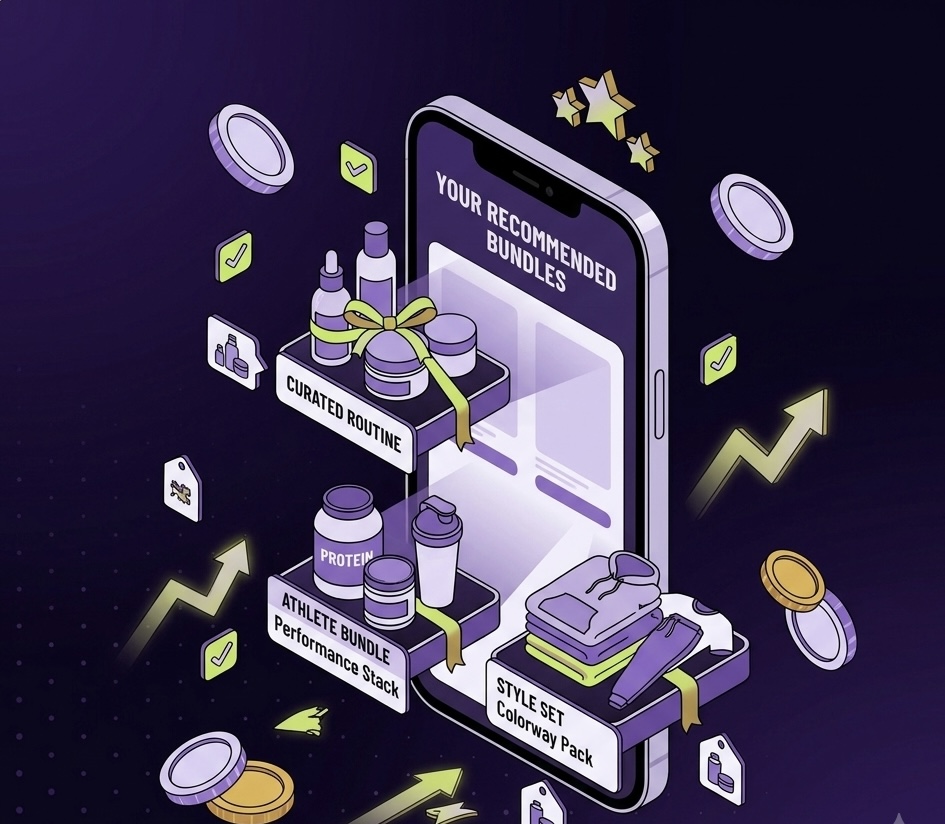
How a Mobile App Can Turn Your First Bundle Sale into Long-Term Brand Loyalty
Bundles are great at increasing order value. But higher AOV doesn’t automatically create loyalty.
The more important question is: how do you get someone who bought a curated skincare set, a matching outfit, or a supplement stack to come back and buy the same way again, rather than drifting back to one-off purchases?
This is where many retention strategies break down. The bundle lifts order value in the moment, but the behavior behind that purchase rarely carries forward. Customers return to a generic storefront, rediscover products from scratch, and lose the momentum that made the original bundle purchase happen.
Mobile apps change that.
Instead of resetting the experience every visit, brands can build around what customers already showed intent toward — the products they explored, the bundles they bought, and the categories they return to. That continuity makes repeat purchases feel easier, more relevant, and more habitual over time.
In this guide, we’ll explore how ecommerce brands use mobile apps to turn one successful bundle purchase into an ongoing customer relationship.

A bundle purchase signals stronger intent than a standard order.
The customer explored multiple products, understood how they fit together, and committed to a broader purchase in a single session. That creates a stronger starting point for retention because the relationship begins across multiple products, not just one SKU.
This changes what repeat behavior can look like.
A shopper who buys a skincare routine already understands how those products work together. Someone who purchases a matching outfit is more likely to return for complementary styles, new colorways, or related drops. The customer has already developed familiarity with a category, a routine, or a buying pattern.
That makes follow-up experiences more effective:
Over time, the bundle purchase becomes more than a higher-value order. It becomes an early signal of repeat purchase potential, stronger engagement, and long-term customer loyalty.
Bundles increase order value and introduce customers to more products in a single purchase. A skincare set can move someone from buying one product to adopting an entire routine. A matching apparel bundle creates familiarity across categories from the first order itself.
The challenge starts after the purchase.
Most ecommerce experiences reset the journey every time the customer returns. Shoppers land on the homepage, rediscover products from scratch, and rebuild momentum on their own. Previous behavior rarely shapes what they see next.
That slows down repeat purchases because the customer has to rediscover products, collections, and combinations they already showed interest in earlier.
Post-purchase customer retention grows faster when the experience carries forward:
This continuity is what turns a one-time bundle purchase into repeat buying behavior.
.png)
Customer retention is shaped by what happens between purchases.
Customers return more consistently when the brand stays visible, recommendations feel relevant, and the experience builds on previous behavior instead of resetting.
A shopper who purchased a supplement bundle may come back for refills, new flavors, or complementary products tied to the same routine. Similarly, someone who bought a coordinated outfit is more likely to engage with new drops when the brand surfaces matching styles and related collections.
Without this continuity, even high-intent customers lose momentum. Product discovery resets, intent weakens, and the brand has to rebuild relevance from scratch every visit.
This slows down repeat purchases and weakens long-term engagement.
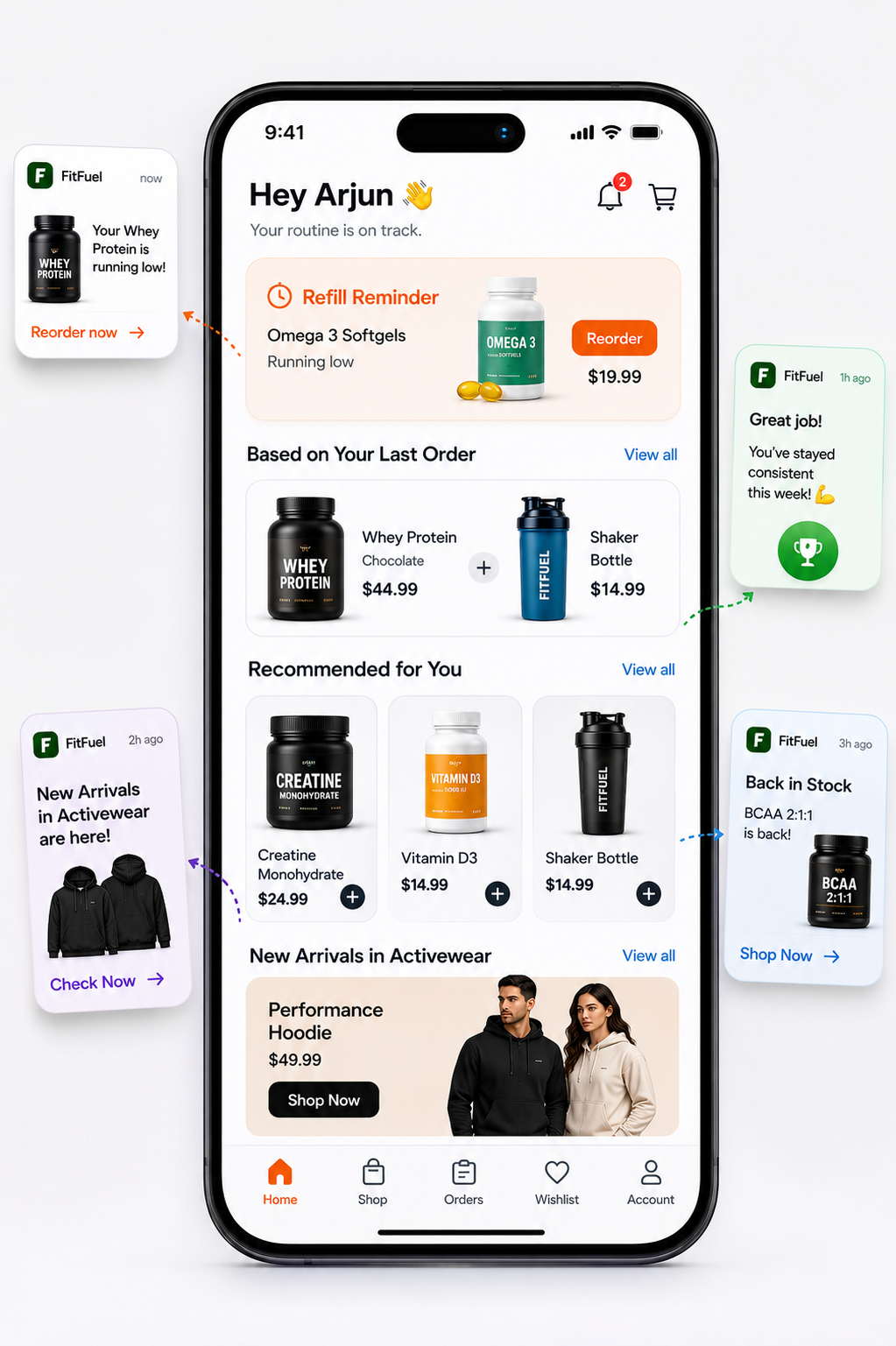
A mobile app gives the customer a persistent relationship with the brand. The experience carries forward across sessions, which makes repeat purchases feel faster, more familiar, and easier to act on.
Customers return to an environment that already reflects their purchase history, browsing behavior, and preferences. The app can surface products connected to previous orders, highlight relevant collections, and bring shoppers back into categories they already engage with.
That continuity changes how customers move through the buying journey.
Someone who purchased a hydration bundle can reopen the app and immediately see refill options, new flavors, or products commonly bought alongside their previous order. A customer who bought a coordinated outfit may return to fresh arrivals within the same category instead of starting from a generic homepage.
This way, the journey feels more connected because the app remembers what the customer engaged with earlier and builds from there.
Bundle purchases become easier to repeat when the experience improves with every session.
The app can surface:
This gradually shapes customer behavior. The bundle stops feeling like a one-time promotion and becomes part of how the customer regularly shops from the brand.
That shift matters because repeat bundle purchases increase familiarity across categories, strengthen retention, and create more predictable buying patterns over time.
A bundle purchase already gives you momentum. The customer explored multiple products, spent more in a single session, and showed you how they prefer to shop.
The goal now is to carry that momentum into the next purchase instead of letting the journey reset after checkout. Here’s how:
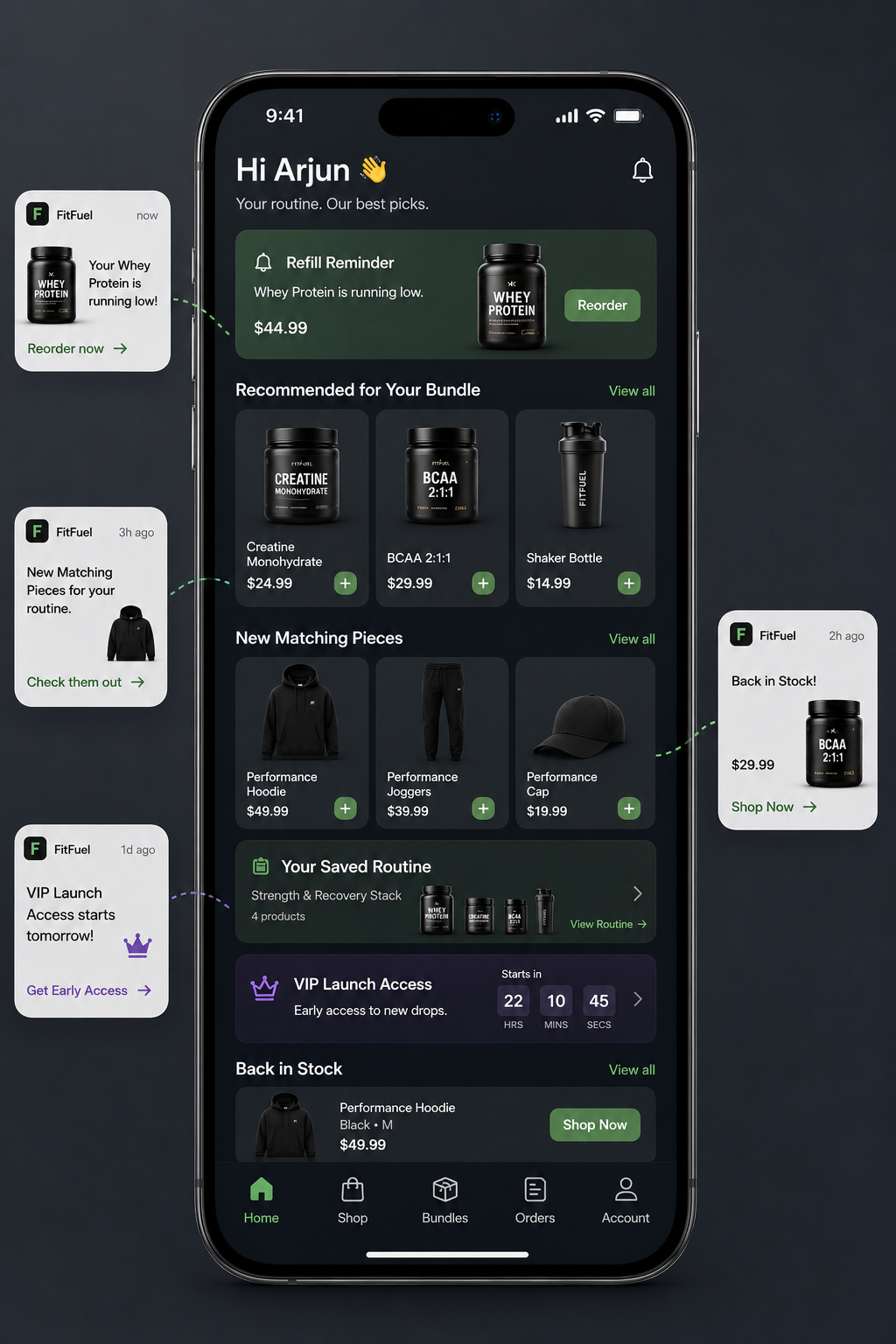
The best time to influence repeat engagement is right after the order. Bring customers back to the products they already purchased together.
This works because you’re continuing an existing shopping journey instead of starting a new one.
.png)
The first bundle purchase gives you a starting point for what the customer is likely to buy next.
Use that behavior to gradually introduce larger sets, complementary products, or category-specific bundles that match how they already shop. For example:
Every recommendation should feel connected to what the customer already shops.
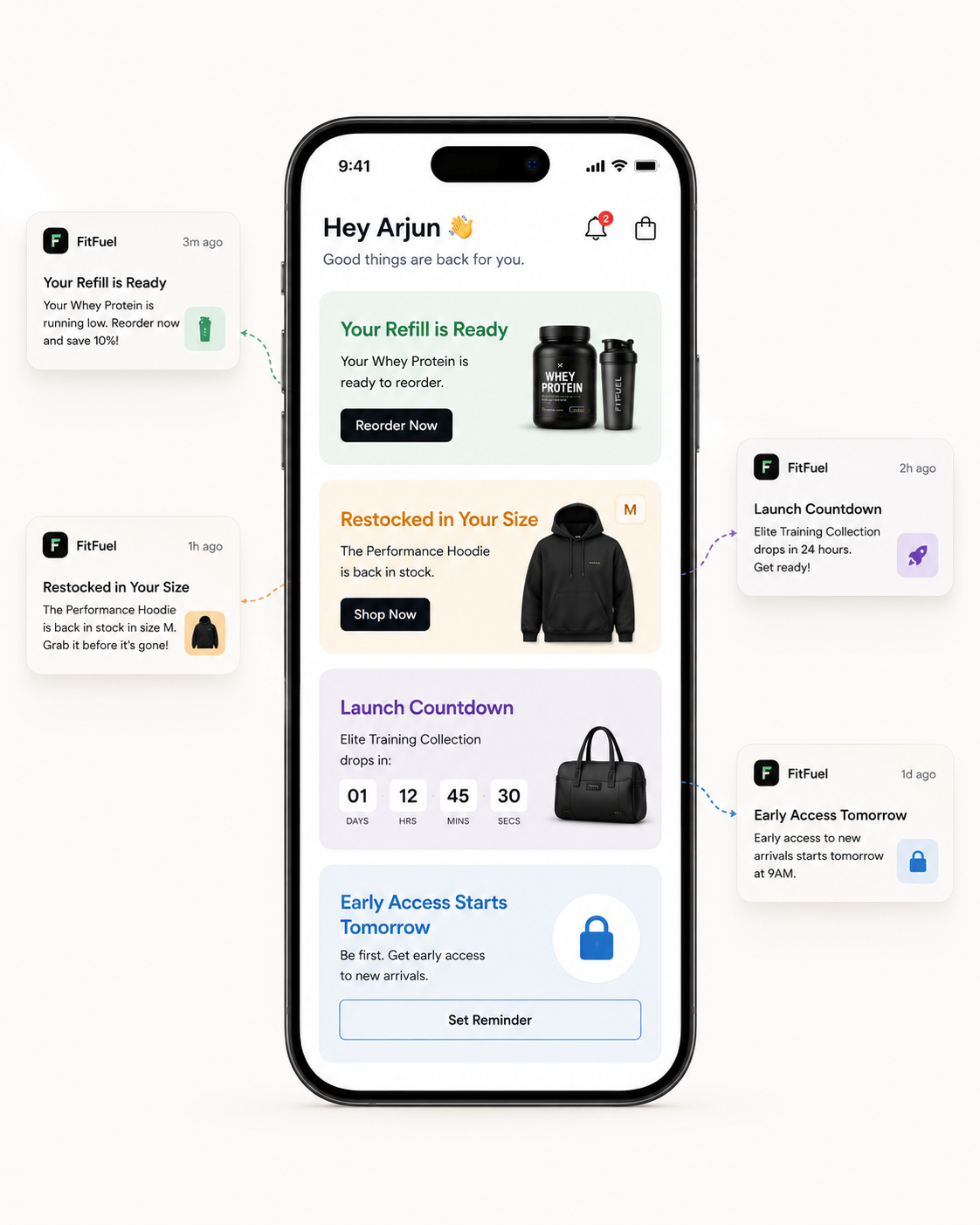
Repeat purchases become more consistent when customers know when to come back. You can build this around moments like:
For example, if customers typically reorder coffee every four weeks, use that timing to surface curated refill bundles before they run out. If someone purchased from a summer activewear drop, notify them when the next collection in that category launches.
These moments keep the relationship active between purchases.
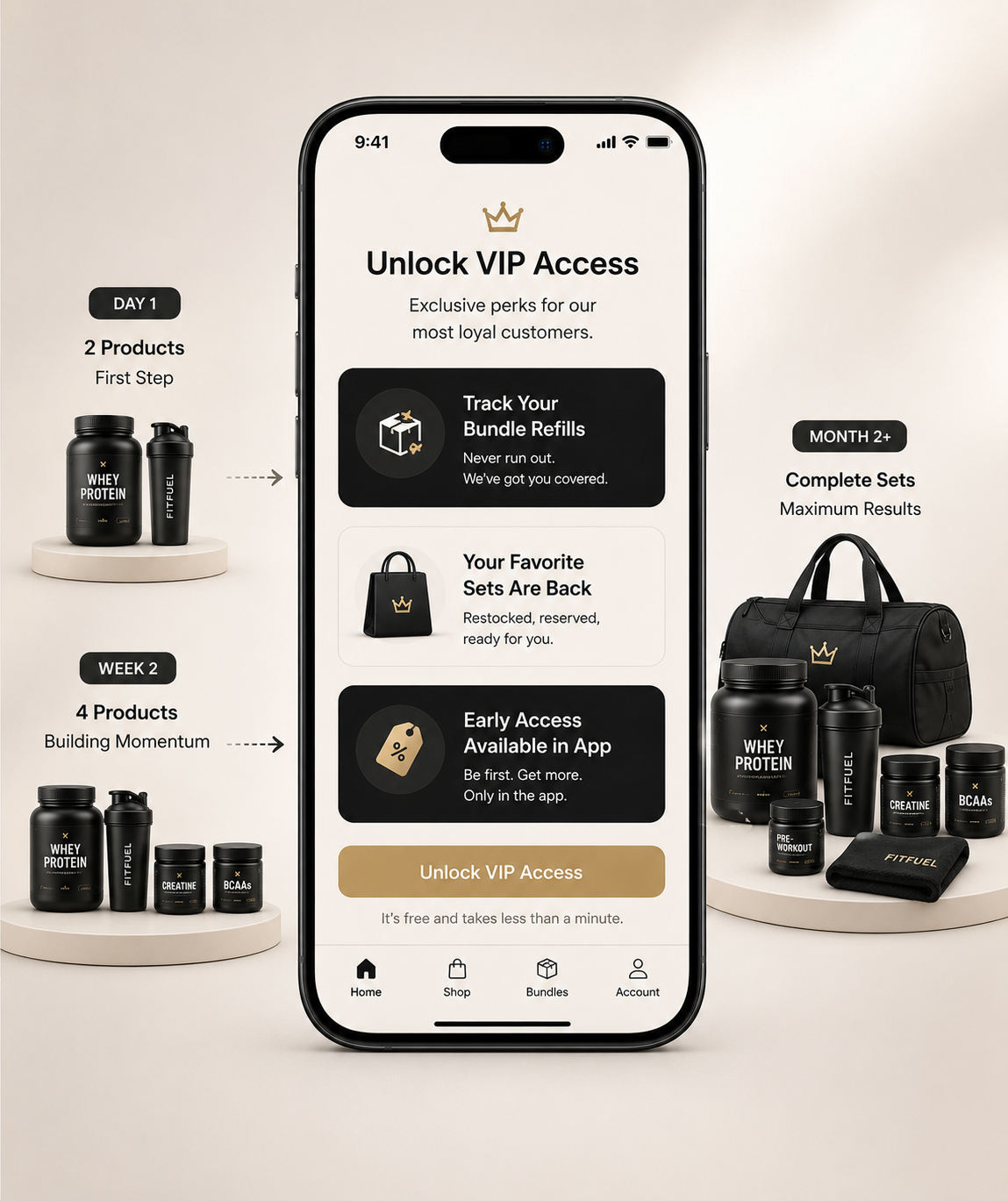
Bundle purchases reveal stronger intent much earlier than single-product orders, making these customers one of the strongest audiences to move into your mobile app.
Instead of asking every customer to install the app, prioritize the customers already showing signals of repeat purchase potential. Bundle behavior gives you an early indicator of who is most likely to opt in, engage consistently, and respond to launches, restocks, and recommendations over time.
Pay attention to customers who:
These behaviors give you a clearer picture of who is most likely to install your app, opt into notifications, and engage with future launches, letting you segment and target them effectively.
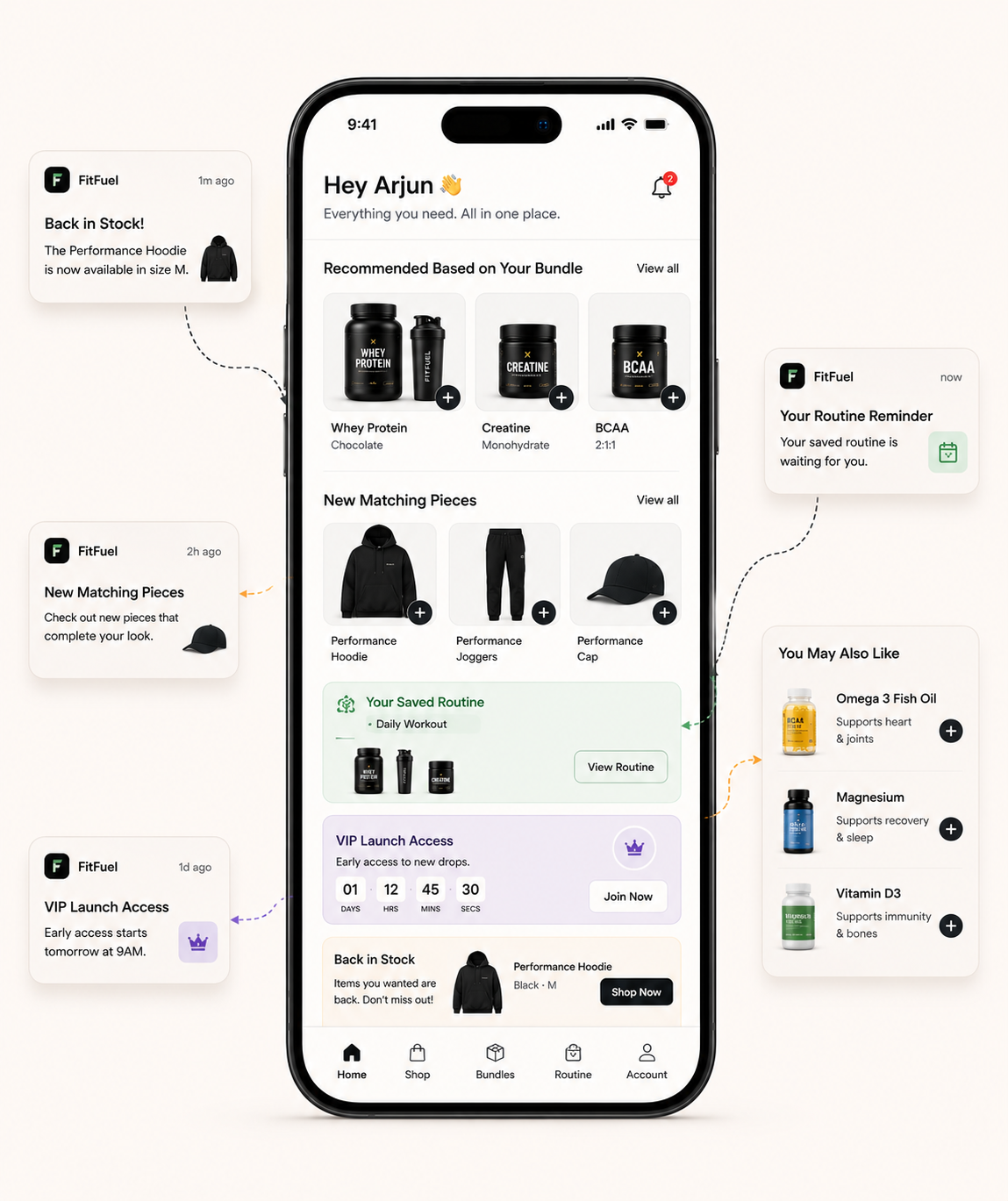
Once you identify high-intent bundle buyers, the next step is turning the app into the easiest place for them to continue shopping.
The biggest mistake brands make is treating app installs like a blanket acquisition goal. App adoption works best when it feels like a natural extension of how the customer already shops.
Here are four ways to turn high-intent bundle buyers into app users:
Prompt app installs immediately after a curated bundle purchase, during replenishment windows, or when customers revisit related categories. The app feels more useful when it solves an immediate need rather than asking for commitment too early.
For example:
The app should unlock something useful tied to the way customers already shop.
For bundle buyers, that could mean:
The more relevant the value proposition feels, the more likely customers are to install and return.
Generic “Download our app” prompts rarely convert. Instead, anchor messaging to what the customer actually bought or browsed:
The first app experience should immediately reflect previous purchase behavior. Surface related products, replenishment bundles, category-specific recommendations, or previously viewed collections, so customers don’t restart discovery from zero.
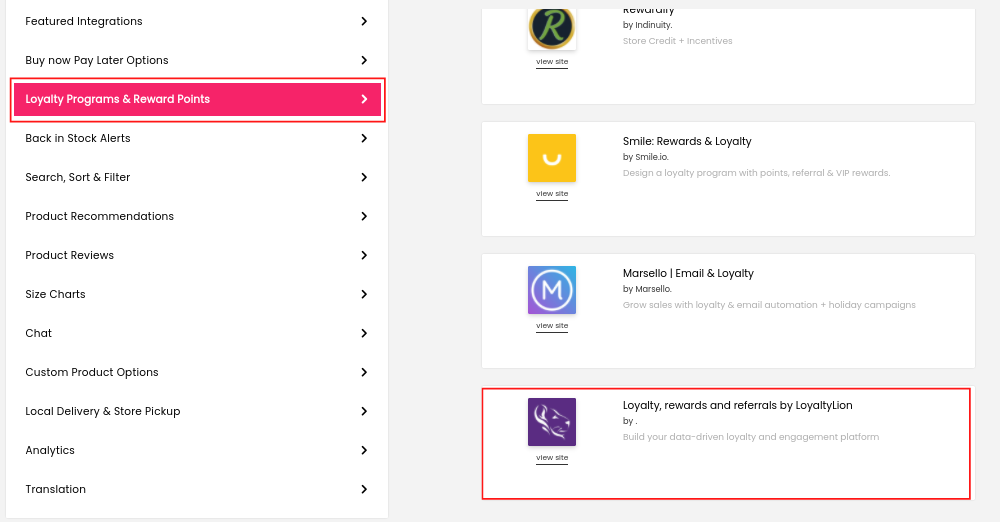
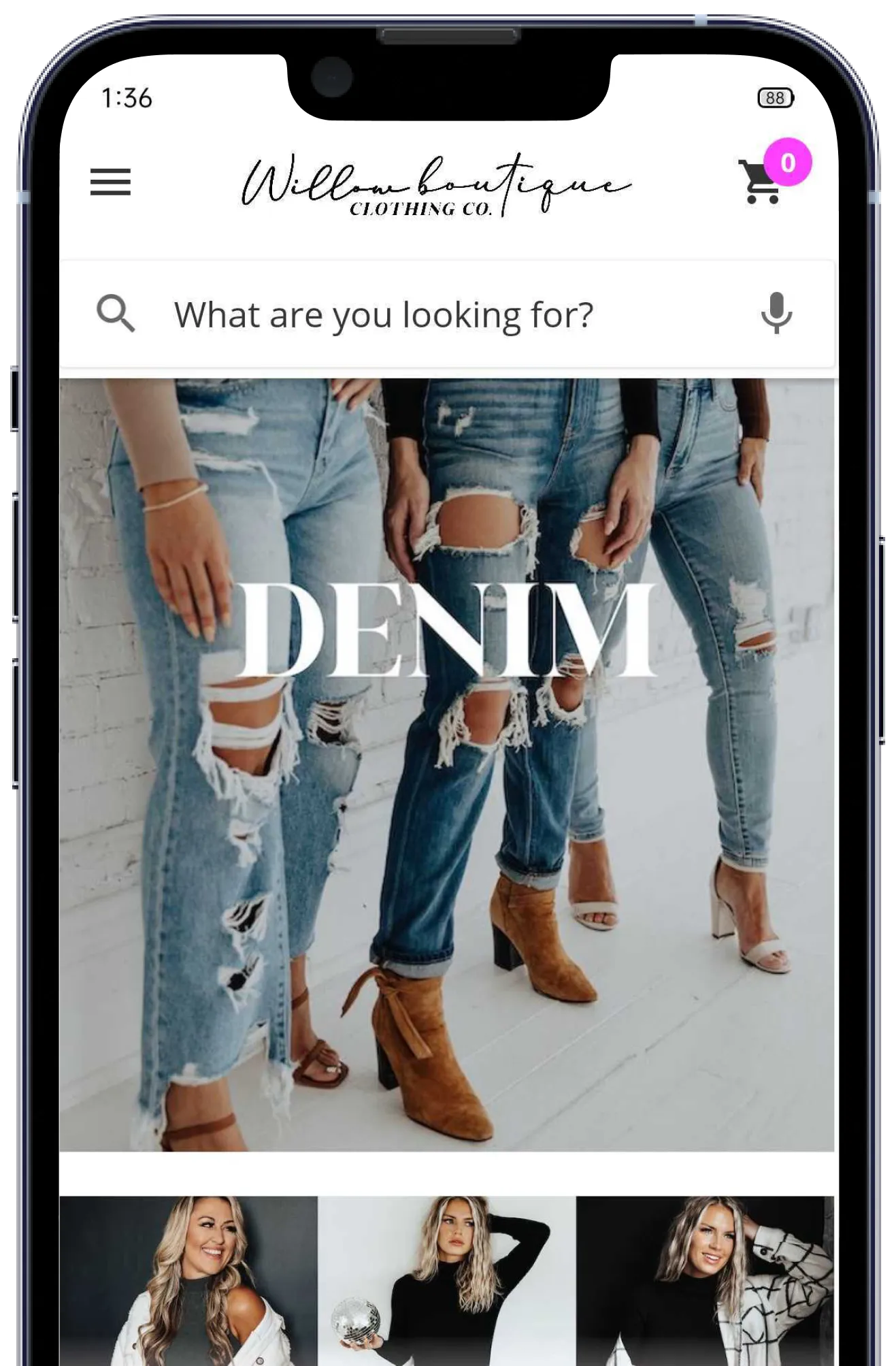
Platforms like Superfans.io help brands build this continuity through personalized home screens, push notifications, and app journeys tied to customer behavior over time. Brands can use the app to:
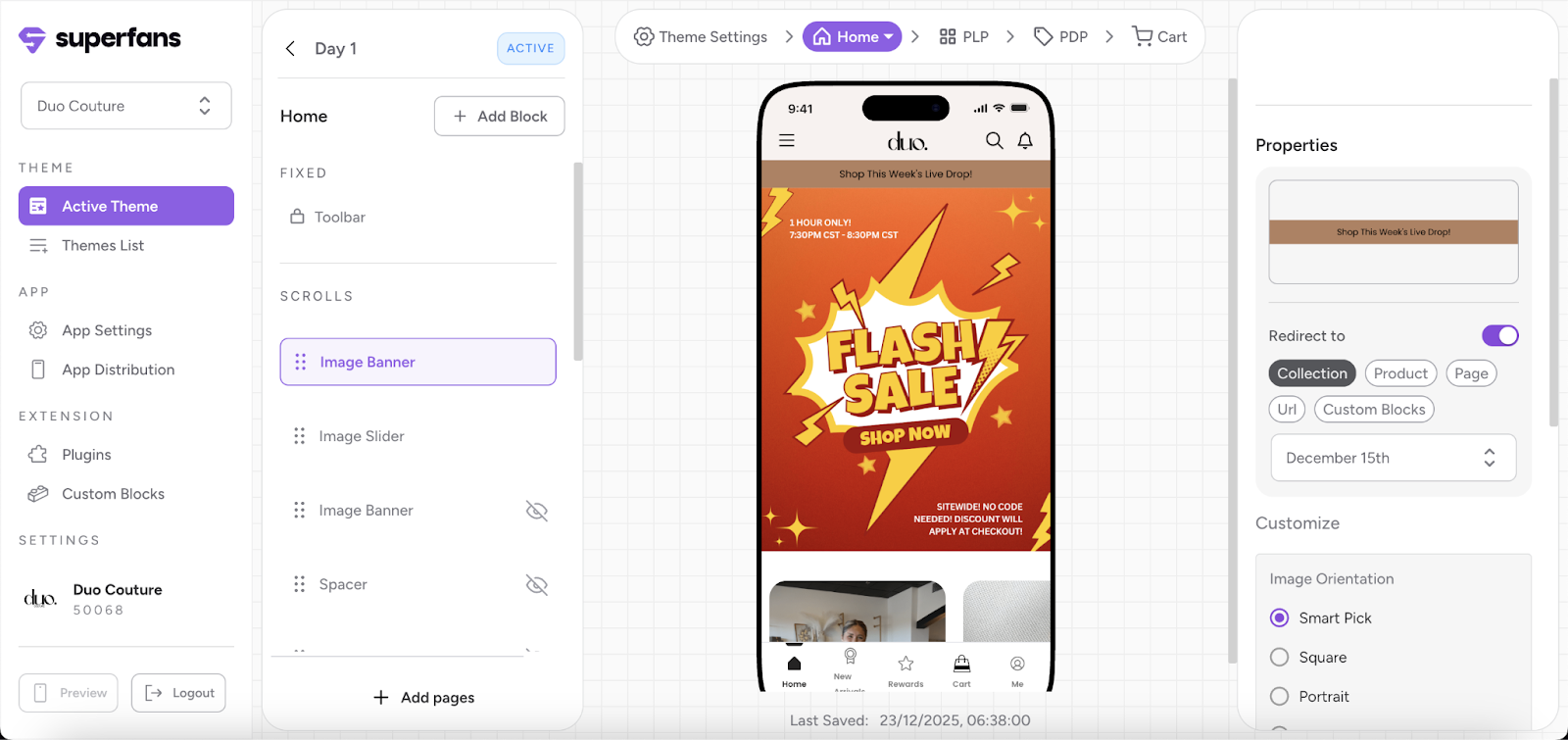
When done well, the app becomes the easiest place to continue shopping. Customers return with context, discovery feels faster, and repeat purchases happen more naturally over time.
A bundle sale already signals a stronger intent. The customer explored multiple products, spent more in a single session, and showed a clearer signal of long-term purchase intent.
The opportunity now is to make it easier for that customer to return and shop the same way again.
When the experience carries forward through reorder reminders, relevant bundle recommendations, launches tied to previous purchases, and personalized app experiences, repeat buying starts feeling natural instead of forced.
That’s where mobile apps create long-term value. They keep the relationship active between purchases and give customers a familiar path back into the brand every time they return.
If bundles are already part of your growth strategy, continuity is the next layer to build around them.
Tools like FoxSell help brands create higher-converting bundles and increase order value, while platforms like Superfans.io help turn that first bundle purchase into repeat behavior through app-led engagement, personalized experiences, and push notifications tied to how customers actually shop.
Ready to turn more first bundle purchases into repeat customers? Explore how Superfans.io helps brands build mobile app experiences that drive stronger retention and repeat purchases.
Book a demo to see how you can set up a mobile app with Superfans.io
"Looking for creative push notification ideas? Check out our free templates and start customizing!"




.png)