Hey, we’re online and here to help you anytime! You’re one step closer to building a stunning mobile app for your e-commerce store. Get on a call with us to see Vajro in action.
Hey, we’re online and here to help you anytime! You’re one step closer to building a stunning mobile app for your e-commerce store. Get on a call with us to see Vajro in action.
For years, ecommerce personalization meant predictable, surface-level tactics: static journeys, basic rules, and the same product blocks shown to everyone. That era is ending.
In 2026, personalization faces a reckoning. Forrester’s report found that consumers have grown deeply skeptical of generic, performative personalization, and tolerance for surface-level tactics has collapsed. Shoppers now expect ecommerce brands to demonstrate value, transparency, and real understanding.
At the same time, marketing fundamentals are being rewritten. McKinsey’s research highlights that modern personalization must shift from “right product, right time” to emotionally resonant, meaning-driven experiences, where brands build identity, connection, and trust at every touchpoint.
Personalization in 2026 is no longer about predicting clicks. It’s about earning trust, respecting data privacy, and creating connected experiences that feel genuinely helpful.
To help you adapt, we’ve extracted the key customer expectation trends shaping the next wave of ecommerce personalization and the shopping journey, based on Forrester’s 2026 predictions and McKinsey’s latest marketing research, and what they mean for brands competing in a fast-changing landscape.
Trend 1: Personalization must be based on trust & transparency
Forrester predicts that rising consumer skepticism will make “performative personalization” ineffective, since customers increasingly reject surface-level tactics that feel irrelevant or intrusive.
Instead, customers want to see how the experience adapts to them and feel confident that they opted into it. When you treat personalization as a partnership rather than a prediction engine, engagement increases because customers can see the value exchange.
The only personalization effort that consistently drives loyalty now is value-based: experiences that customers would choose even without automation. This means you can’t rely on prediction anymore. You must show exactly how customer preferences shape the online shopping experience, and let them stay in control at every step.
How to implement this:
Expose your logic: Tell shoppers why a recommendation appears (“Based on your interest in X” or “Based on your browsing history”). This reduces the ambiguity that leads to mistrust.
Prioritise intention over inference: Build personalization from personal data that customers deliberately provide, like preferences, categories of interest, and alert types, rather than passive behavioral tracking.
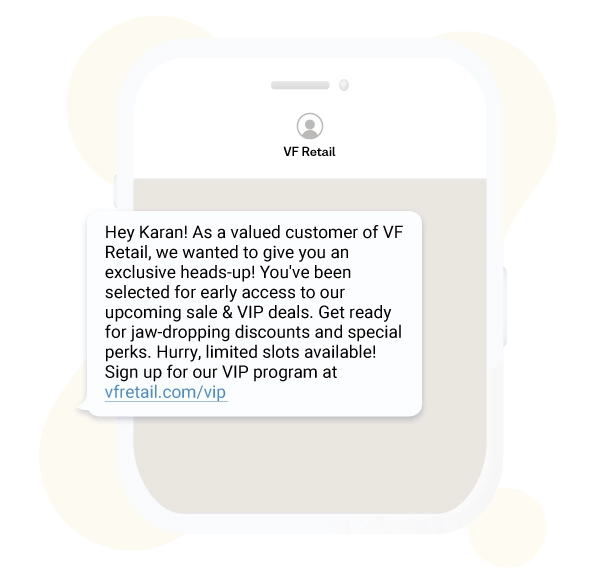
Deliver clear value: Use early access, limited drops, restock alerts, and loyalty-based experiences to demonstrate tangible benefits of opting in.
Make preference control a first-class feature: Position it as part of the shopping experience, not a hidden account setting.
In practice, this kind of transparency is easiest to deliver within owned channels where customers can clearly see and control how their preferences shape the experience. For example, some brands use app-based preference centres to let customers manage category interests, launch alerts, and notification types, ensuring personalization is driven by explicit choices rather than assumptions.
Trend 2: The decline of the open web will push brands to owned, personalized channels
The open web is becoming a weaker acquisition and retention engine. As Forrester notes, advertisers are expected to cut display budgets by 30% because consumers are spending less time in open-web environments and algorithms continue to suppress organic reach.
This forces you to rethink where your customer relationships actually live. When rented channels lose efficiency, the only sustainable strategy is to strengthen the channels you fully own—channels where identity, communication, and personalization belong to you from the first interaction to the repeat purchase.
Owned mobile experiences sit at the centre of this shift. They allow you to control how often customers hear from you, what they see, and how their preferences shape the customer journey without dependency on platform changes or ad networks.
How to implement this:
Build a first-party identity ecosystem: Move customer recognition, preferences, and segmentation into environments you control.
Create a personalised entry point: Home screens, feeds, and journeys should adapt instantly to each shopper.
Use high-intent channels strategically: Push notifications and in-app prompts outperform email because they bypass deliverability and open-web constraints.
Design retention around access, not ads: Exclusive drops, relevant offers, loyalty surfaces, and restock alerts turn owned channels into habit-building destinations.
This shift is why many brands are investing in owned mobile experiences, where home screens, journeys, and lifecycle messaging operate entirely on first-party data. When brands control the environment end to end, they’re less exposed to algorithm changes and more able to build durable retention habits over time.
Trend 3: Consumers will favor experiential, community-led personalization
Customers don’t just want brands to know what they’ll buy next. They want to feel seen, valued, and part of something.
Forrester predicts that one-third of consumers will actively seek tactile, experiential brand interactions to feel more connected, while McKinsey reframes modern personalization as relationship-building rather than content targeting.
Together, these signals point to a clear shift: personalization is moving from individual optimization to shared experience design.
The brands that stand out won’t just personalize products or messages. They’ll personalize belonging. That shows up as member-only drop feeds for loyal customers, VIP-only early access windows, gated product launches, and cohort-specific content that makes customers feel like insiders rather than anonymous buyers. Community rituals — recurring drops, seasonal edits, or loyalty-tier moments — create emotional meaning that recommendation engines alone can’t replicate.
How to implement this:
Design event-style digital moments: Personalized offers, early access windows, limited releases, and restock previews create emotional momentum.
Build micro-communities within your owned channels: Cohorts based on loyalty tiers, interests, or purchase history allow you to personalise the content as well as the experience.
Highlight involvement, not recommendation: Let customers opt into specific events, creators, or themes so personalization reflects their interests, and not your assumptions.
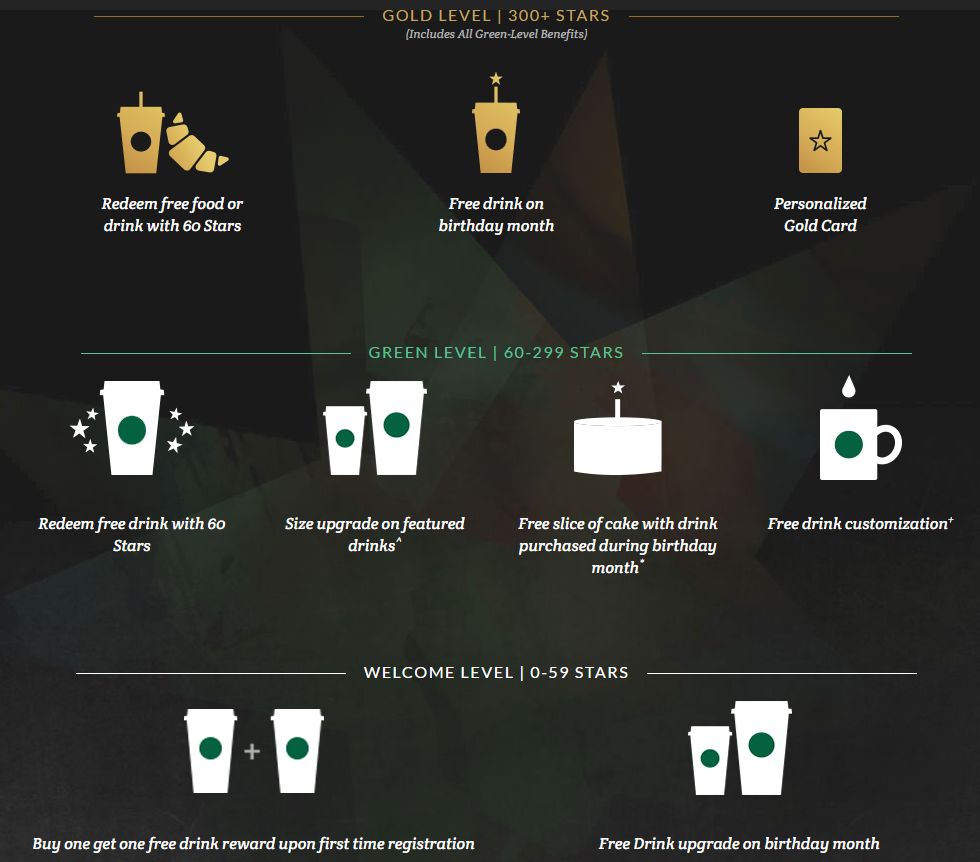
Create visible markers of belonging: Badges, tiers, and visual indicators help customers see their relationship with the brand and reinforce status over time.
Tailor journeys by cohort, not just individual behavior: Different groups should see different home screens, perks, content, and flows based on shared affinities.
Design rituals that repeat: Weekly drops, seasonal edits, or thematic events turn personalization into a habit rather than a one-off interaction.
Create “insider” touchpoints: Screens, flows, and messages that appear only for certain cohorts reinforce exclusivity and deepen connection.
Within Superfans.io, you can design VIP access, gated drops, cohort-specific home screens, and loyalty-driven journeys that turn your mobile app from a transactional storefront into a shared space where your top customers feel like members — not just recipients of personalization.
Trend 4: Experience fatigue will accelerate the shift to real-time, guided personalization
Customers are increasingly fatigued by complex digital shopping journeys.
Forrester expects CX fatigue to deepen, turning simplicity into a competitive advantage rather than a design preference. At the same time, McKinsey identifies guided shopping, pre-curated paths, and adaptive journeys as 2026 essentials, not optional enhancements.
This marks a clear shift: personalization must reduce cognitive load, not add to it. If customers have to think, search, or navigate too much, they disengage. If the experience guides them intuitively, relevance feels effortless.
Static journey maps can’t support this. Forrester predicts that two-thirds of CX teams will abandon traditional journey mapping because it no longer reflects how customers actually behave— fluidly, across surfaces, and in real time. The future belongs to adaptive experience design, where personalization responds to what the customer is doing now, not what a diagram predicted earlier.
Instead of planning fixed paths, brands must interpret live signals and continuously adjust the experience to match intent.
How to implement this:
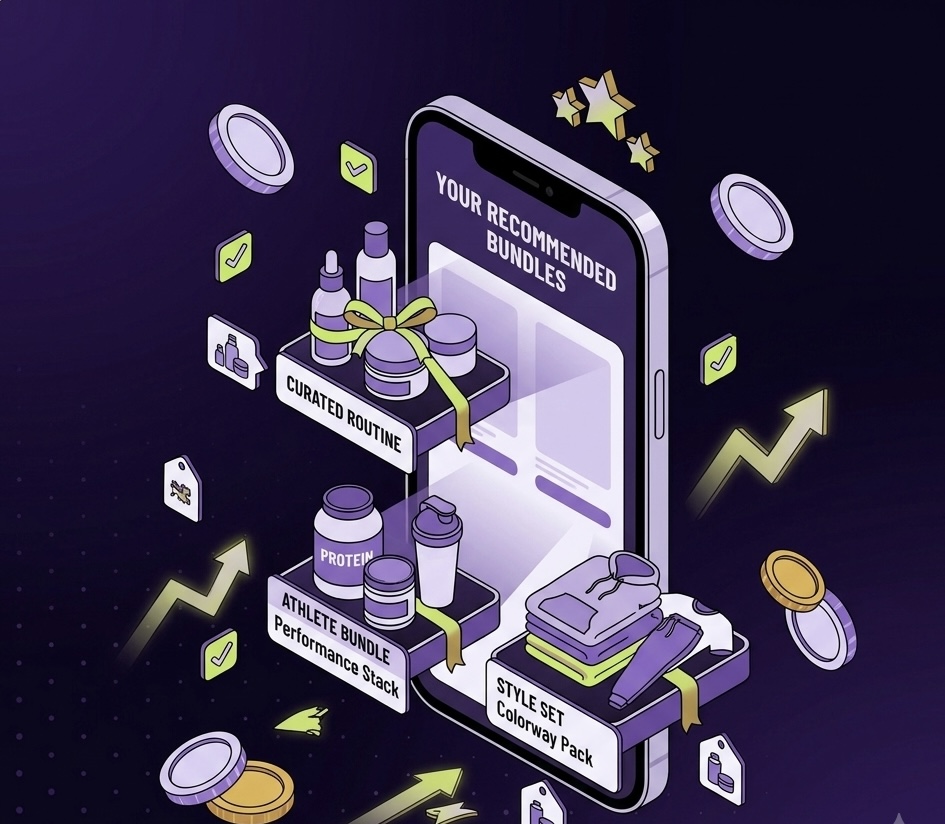
Replace choice overload with curated paths: Instead of broad catalog views, guide customers to collections tailored to their interests or lifecycle stage.
Adapt home screens in real time. Use live behavior signals (recency, frequency, favorite categories) to customize touchpoints instantly.
Shorten the path to action: Surface replenishment items, size-specific recommendations, or favourites directly on entry.
Sequence journeys deliberately in: Move customers step-by-step through discovery to evaluation to action without forcing them to navigate your architecture.
Use micro-journeys instead of fixed funnels: Build short, intent-specific paths that respond to actions (viewing, comparing, returning) rather than forcing customers through predefined flows.
Within Superfans.io, brands can implement this approach through dynamically adapting home screens, personalised product blocks, and short, intent-driven micro-journeys. As customer behaviour changes, the app updates in real time, reducing cognitive load and guiding shoppers toward the next best action without relying on static funnels or pre-mapped journeys.
Trend 5: Customers expect unified, seamless experiences across every channel
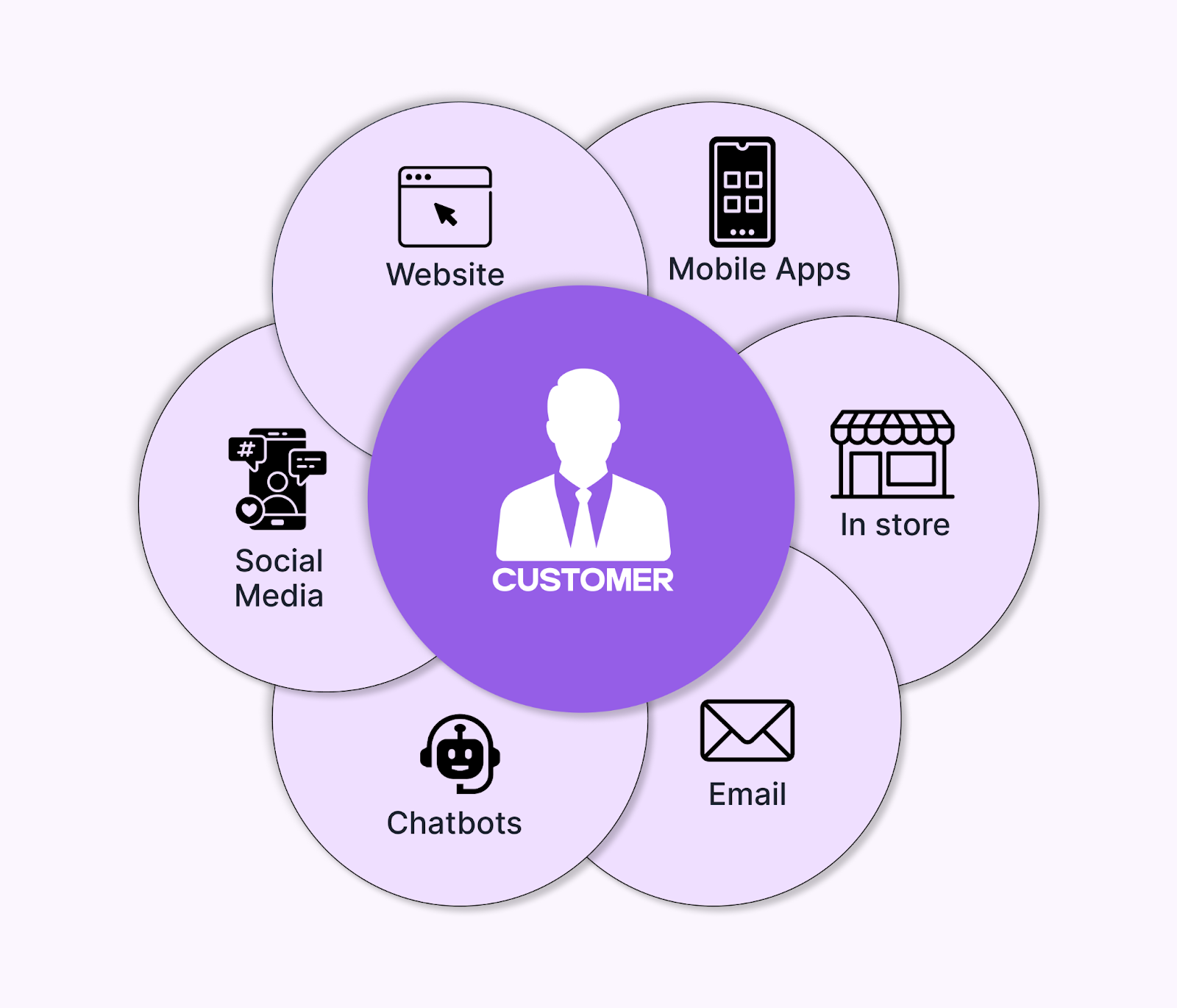
Fragmented experiences, like different messages across email, push, app, and ecommerce site, are a liability. Forrester expects leading brands to adopt agentic commerce flows, where AI unifies shopping, service, and promotions into a continuous, omnichannel interaction.
Similarly, McKinsey’s report shows that winning teams are moving from channel-based tactics to modular, connected systems that recognise the same customer everywhere.
Customers should feel like the brand knows them, regardless of where the interaction starts. If your channels operate independently, personalization breaks the moment they switch surfaces.
How to implement this:
Use one identity system across all touchpoints: Your email, app, loyalty program, and push messaging should recognise the same customer with the same context.
Coordinate lifecycle journeys across channels: Make sure triggers, timing, and messaging complement each other rather than compete.
Align content and merchandising logic: Personalized product recommendations, customer loyalty benefits, and drop details should remain consistent across all destinations.
Let high-intent channels lead: Push, app surfaces, and loyalty mechanics should update in real time and guide other channels rather than follow them.
Trend 6: AI-powered personalization requires strong privacy & responsible data use
AI gives brands the ability to adapt personalized shopping experiences in real time, but it also magnifies the cost of getting privacy wrong. Customers expect personalized shopping, but they won’t tolerate systems that feel opaque, overreaching, or careless with their data. If the system can’t explain itself, customers assume the worst and disengage.
Forrester predicts a 20% surge in class-action lawsuits tied to data-driven privacy breaches, and the root cause is always the same: brands use AI models on data that customers never knowingly shared. McKinsey echoes this urgency, arguing that marketers must replace “track-and-target” behavior with consent-led systems that customers clearly understand.
To make AI-driven personalization effective in 2026, you need more than just compliance. You need predictable, explainable data flows that build trust before you automate anything.
How to implement this:
Build personalization within an owned environment: When customer data is collected inside a controlled ecosystem, such as your mobile app using tools like Superfans.io, personalization runs on a clean, permissioned context.
Ask for permission at the point of value: Requests should appear when a customer initiates an action, such as opting into a drop alert or favouriting a product.
Clarify boundaries: Be explicit about which data the system excludes. This transparency builds confidence and reduces misunderstanding.
Apply real-time signals selectively: Automate only when the outcome is unambiguously helpful. Avoid treating every behavioral event as a trigger.
Document the data loop: Your team should know exactly how data is collected, processed, and returned as personalization.
Trend 7: Operational discipline will matter as much as creative personalization
Creativity alone no longer differentiates personalization.
Forrester urges brands to shift from optics to outcomes, replacing one-off “personalized moments” with systems that consistently deliver measurable value. Similarly, McKinsey emphasises always-on testing, optimisation, and feedback loops as the base of modern marketing performance.
In 2026, the brands that scale hyper-personalization effectively treat it as an operational capability, not a marketing campaign idea. You need disciplined data governance, dependable integrations, and infrastructure that updates itself based on customer behavior without creating operational strain.
How to implement this:
Strengthen your data layer: Make sure product feeds, loyalty data, and behavioral signals sync cleanly across ecommerce platforms.
Automate what should never be manual: Lifecycle flows, replenishment nudges, drop reminders, and personalised feeds should adapt without human intervention.
Install feedback loops: Track which personalised elements actually influence conversion rates, not which ones look impressive.
Create decision governance: Establish rules that control when personalization triggers, when it pauses, and what constitutes meaningful relevance.
Trend 8: AI agents & conversational experiences will reshape customer interactions
Customers now expect interactions that feel immediate, intuitive, and context-aware, rather than a sequence of disconnected touchpoints. Forrester expects conversational AI to become the backbone of unified commerce journeys, creating a single flow that moves across shopping, service, and promotions without friction.
This marks a shift from static journeys to responsive ones. Instead of asking customers to navigate your channels, you meet them in the moment and guide them forward.
For example, a customer checking back on an out-of-stock item could be notified the moment it restocks and guided straight to checkout. A repeat buyer might ask about delivery timing and be offered a relevant add-on or replenishment reminder in the same interaction. A customer who is browsing but hesitating could be prompted with size guidance, alternatives, or a loyalty incentive.
In each case, the experience adapts to intent in real time, turning conversations into progress rather than interruptions.
How to implement this:
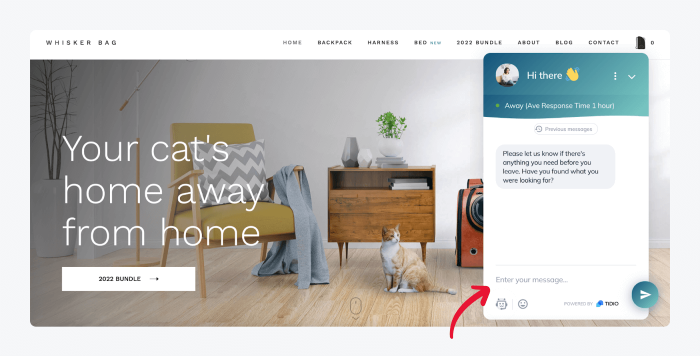
Embed conversational experiences across touchpoints: Use guided prompts in email, app, and implement in-app chat interfaces to help customers decide faster.
Move from reactive to anticipatory flows: Trigger conversational guidance when customers hesitate, revisit products, or show signs of confusion.
Centralise your customer intent signals: Make sure your AI understands the difference between discovery, comparison, and purchase intent and adapts its responses accordingly.
Integrate commerce actions directly into conversations: Let customers check availability, redeem loyalty benefits, or access launches without leaving the interaction.
This kind of experience is easier to deliver when customer behaviour, messaging, and action all live in one place. Platforms like Superfans.io support this by allowing brands to respond to live intent with timely in-app prompts and push notifications that keep the interaction flowing naturally.
Trend 9: Emergence of hybrid offline-online personalization experiences
Forrester highlights a growing desire for tactile, event-style experiences; interactions that customers can’t simply scroll past. McKinsey also reports that blending online personalization with in-store offline moments creates loyalty because it turns brand interactions into shared experiences rather than transactions.
This shift means your digital channels must do more than personalise products. They must personalise moments— the anticipation before a launch, the access window for top customers, and even the reward tied to attending a pop-up or engaging with an event.
How to implement this:
Use digital cues to enrich physical events: Send early-access passes, lineup information, or product previews based on customer segments.
Create app-only entry points: Allow VIP tiers or high-value cohorts to unlock offline perks through digital identity verification.
Tie loyalty to participation: Reward event attendance, pop-up engagement, or launch-day actions with points, badges, or exclusive content.
Run hybrid drop cycles: Build excitement digitally, fulfil it offline, and drive sales and repeat engagement through personalised follow-ups.
Trend 10: The rise of brand building, emotional relevance & creativity
AI will make personalization faster and more adaptive, but it won’t make it memorable. As McKinsey notes, the differentiators that actually win loyalty are emotional resonance and creative expression— parts of a customer experience that algorithms can’t replicate.
Customers respond when the experience reflects their identity, their affinities, and the values they associate with your brand. When your personalization carries intent, tone, and narrative, it strengthens the relationship in ways performance tactics never could.
How to implement this:
Tie personalization to brand values: Show customers content that reflects your brand’s values and aesthetic, not only their latest clicks.
Use identity-driven messaging: Adapt tone, visuals, and storytelling based on loyalty tier, community affiliation, or long-term behavior.
Build affinity-based segments: Group customers by style, mission alignment, or cultural interests; segments that create emotional recognition.
Design moments of storytelling: Banners, drops, and campaign surfaces should feel like chapters in your brand narrative, not isolated promotions.
Superfans.io gives you expressive touchpoints (banners, campaign blocks, loyalty messages, curated content modules) where storytelling and emotional context shape the personalized experience. Instead of tailoring only what customers see, you tailor how it feels, which is where lasting loyalty is formed.
Personalization in 2026 means trust, identity & connected experiences
Personalization in 2026 has a higher bar.
If customers don’t trust it, understand it, or feel something from it, they’ll ignore it. Privacy-first design, owned channels, and real-time experiences now define whether personalization compounds loyalty or quietly erodes it.
The brands that win won’t be louder or smarter. They’ll be more intentional.
Thank you! Your submission has been received!
Oops! Something went wrong while submitting the form.
This is some text inside of a div block.
"Looking for creative push notification ideas? Check out our free templates and start customizing!"






.png)