.png)
Acquisition drives the first sale, but repeat purchases drive compounding growth.
Most ecommerce brands invest heavily in bringing new customers to their store. However, growth often stalls when those customers fail to return for a second or third order. The gap rarely comes from product quality alone. It comes from unclear post-purchase experiences, poorly timed follow-ups, and retention systems that fail to carry context forward.
Repeat purchases increase when brands guide customers through what happens after the first order: how the product fits into their routine, when it makes sense to buy again, and why returning feels familiar and valuable. This requires more than discounts or broad campaigns. It requires intentional touchpoints, lifecycle messaging, and owned channels that reinforce trust, relevance, and momentum over time.
This blog outlines the most effective tactics that ecommerce teams use to increase repeat purchase rates, with clear examples of how each tactic shows up in practice and when it makes sense to implement it as part of your long-term customer retention strategy.
Repeat purchases increase when customers encounter consistent, well-timed experiences after their first order. Each interaction builds familiarity, lowers decision friction, and strengthens trust in returning to the brand.
The 10 tactics below focus on the moments that determine whether a customer comes back, helping you turn first-time buyers into repeat customers.
How you engage with customers after they’ve placed their first order plays a huge role in whether they continue engaging with your brand and return to shop again. This is why you need to design a post-purchase experience that offers clarity and builds a rapport with the customer.
Set up touchpoints that reduce friction and signal what happens next:
When customers feel informed and supported, trust compounds. This sense of reassurance carries into future buying decisions, making the second order feel like a continuation of a positive customer experience rather than a new evaluation.
Repeat revenue rarely happens by accident. You need to engineer the moment when buying again feels timely and obvious.
A strong second-purchase moment is anchored to usage, not promotions. It appears when the product is likely running low, when complementary value makes sense, or when the customer has fully experienced the benefit of their first order.
Tactical ways to create this moment:
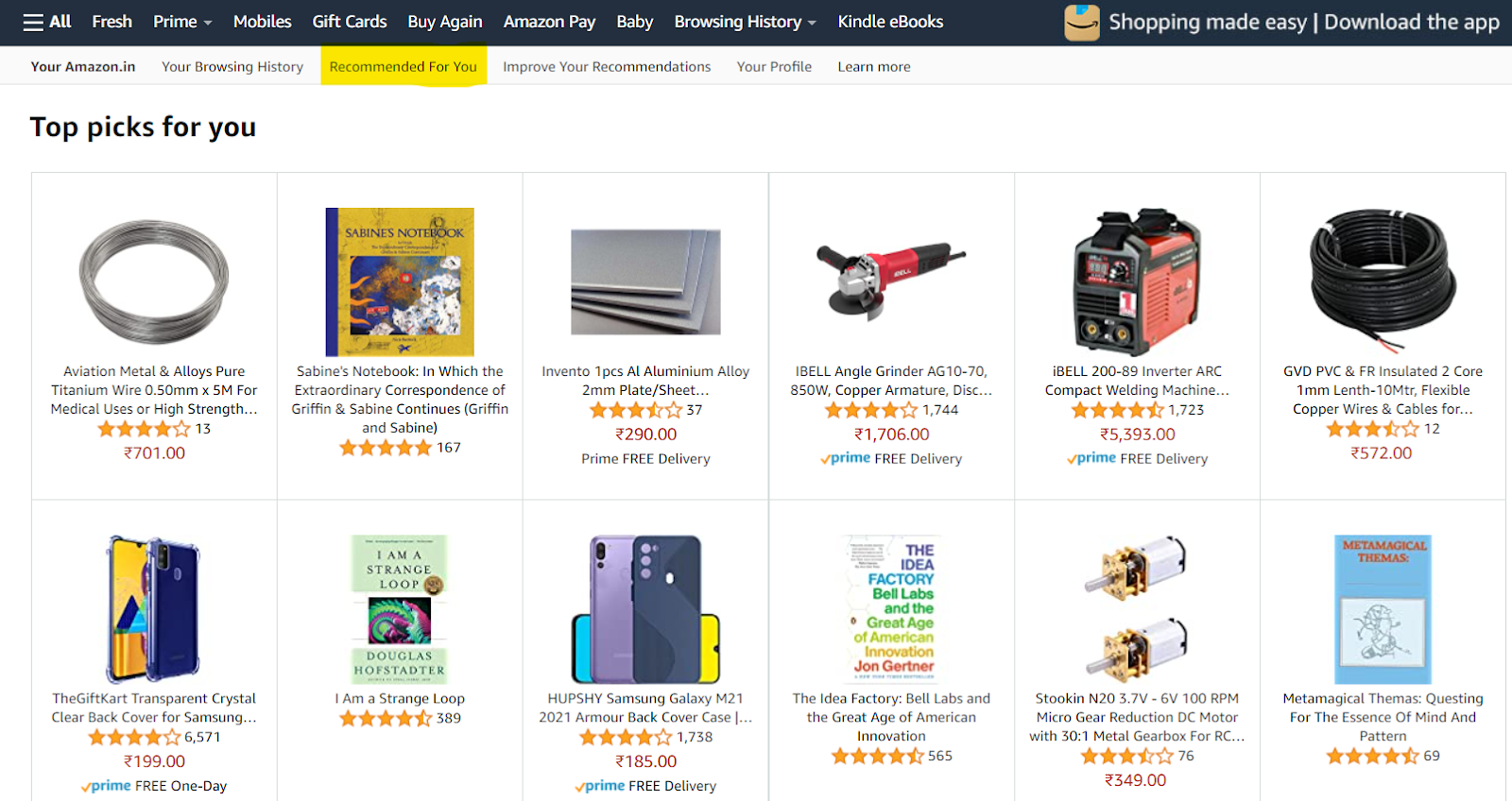
When the second purchase feels expected rather than pushed, repeat behavior becomes structured. That structure is what turns one-time buyers into long-term customers.
Generic campaigns treat the entire customer base the same. Lifecycle messaging adapts communication based on where someone is in their journey.
Instead of blasting promotions, build triggers around real behaviour:
Each channel should have a defined role:
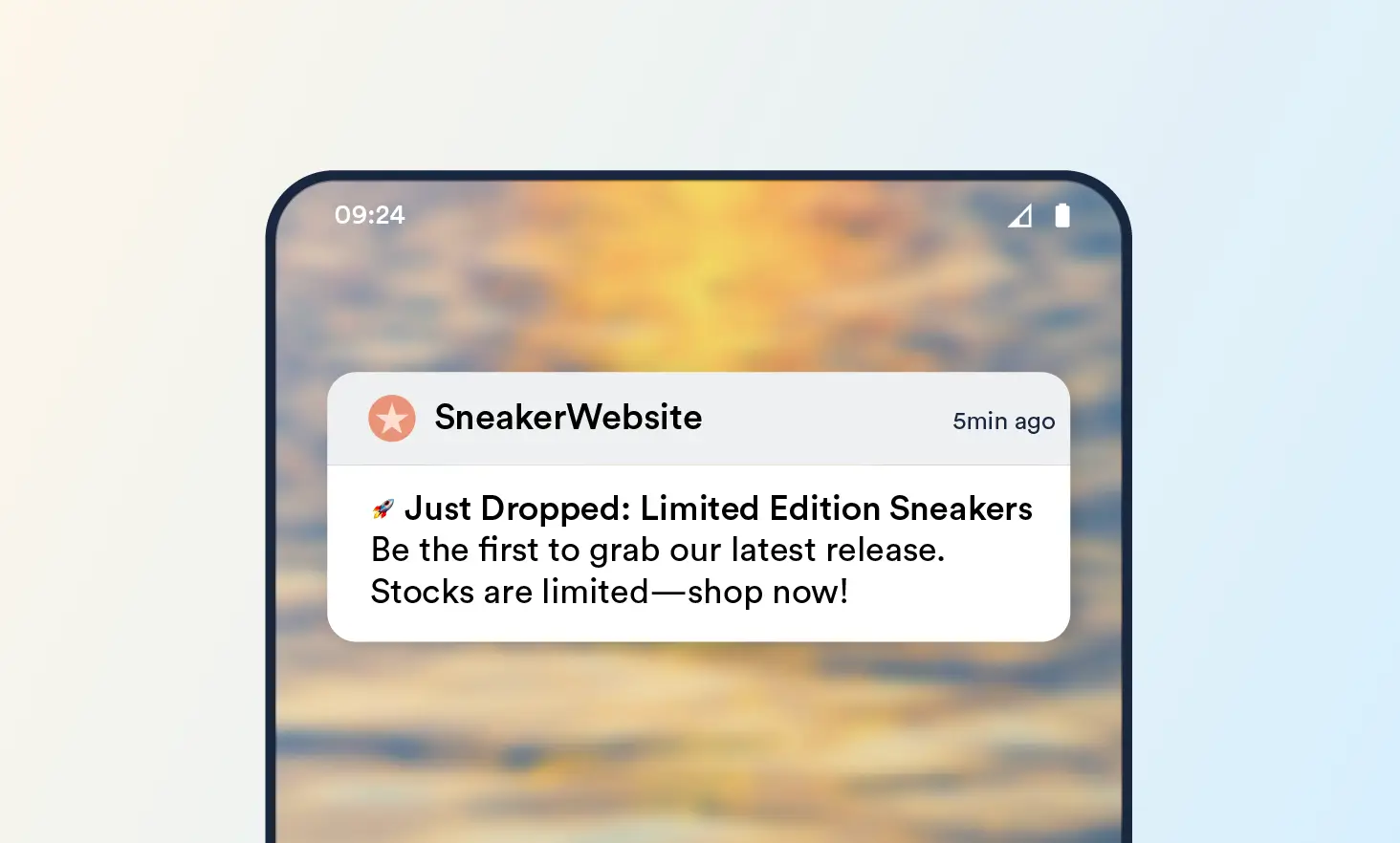
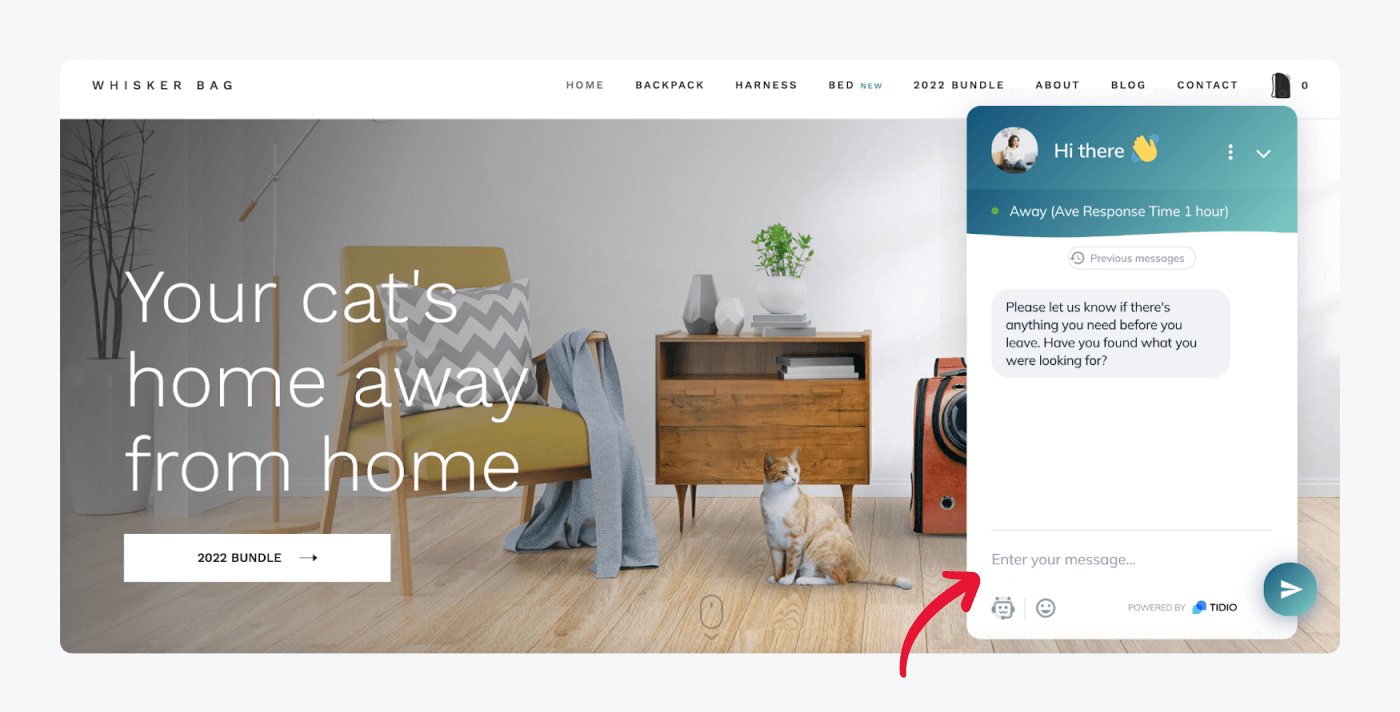
When communication reflects behaviour instead of a marketing calendar, customers feel understood rather than targeted. That relevance reduces friction and makes returning to buy feel like a continuation, not a reset.
Replenishment loops turn repeat purchases into predictable behavior by aligning communication with how often products are used. Instead of waiting for customers to remember, prompt them when reordering feels expected.
These loops are built around past purchases, usage cycles, and demonstrated interest.
The key is timing. When reminders align with real need, they feel helpful. Over time, this reduces decision effort. Customers reorder familiar products with less friction, frequency increases, and repeat buying becomes routine rather than reactive.
Customer loyalty strengthens when you recognise commitment, not just transaction value.
Reward the actions that customers take across their journey— returning to browse, engaging with content, referring new shoppers, or sharing your products. These signals reflect intent and belief, and when acknowledged, they give customers a reason to keep progressing.
Some ways to reward customer behavior are:
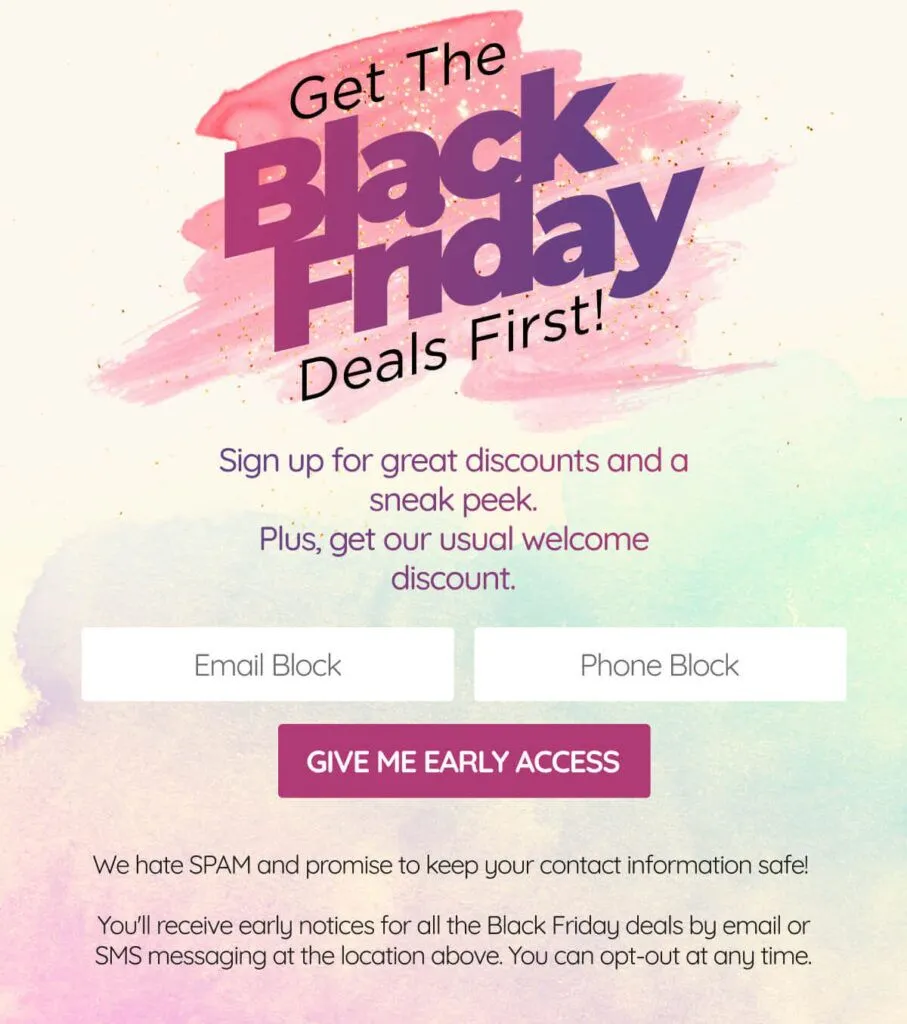
Over time, recognising the right customer behavior builds brand loyalty, increases purchase frequency, and drives repeat revenue through commitment rather than discounts.
A mobile app gives ecommerce businesses a dedicated environment to engage their most valuable customers across repeat visits. It carries customer context forward, allowing each interaction to build on past behavior, preferences, and purchase history rather than restarting the experience every time.
A mobile app creates a connected retention layer alongside your ecommerce store and marketing automation stack. Returning visits become faster, more intentional, and easier to convert.
Here are a few ways to use a mobile app to drive repeat business:
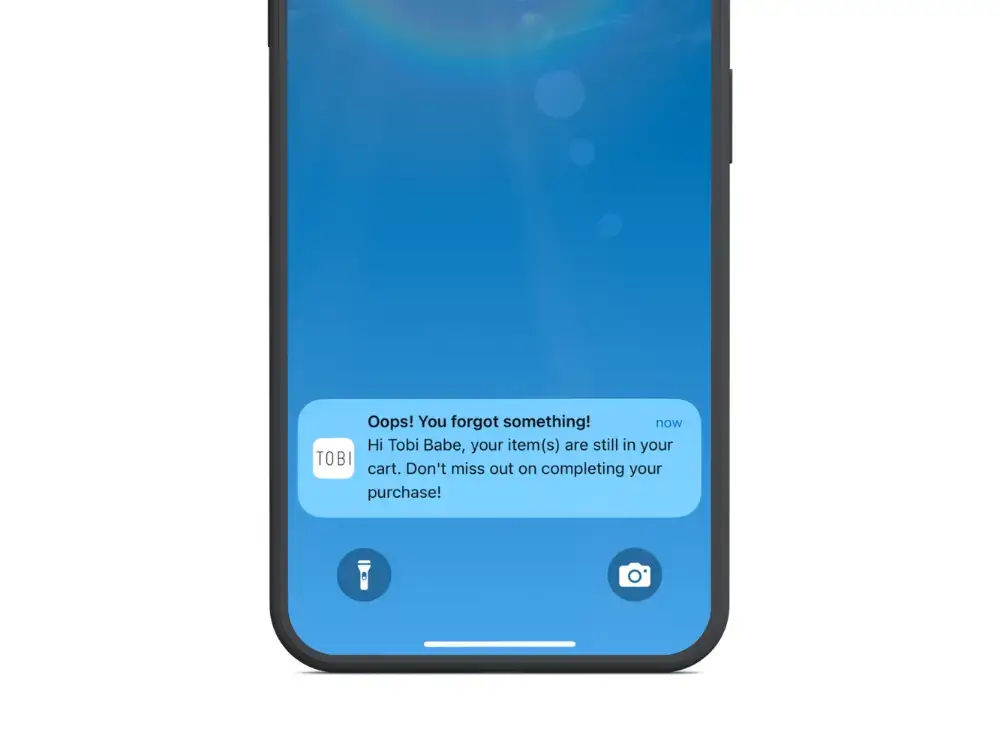
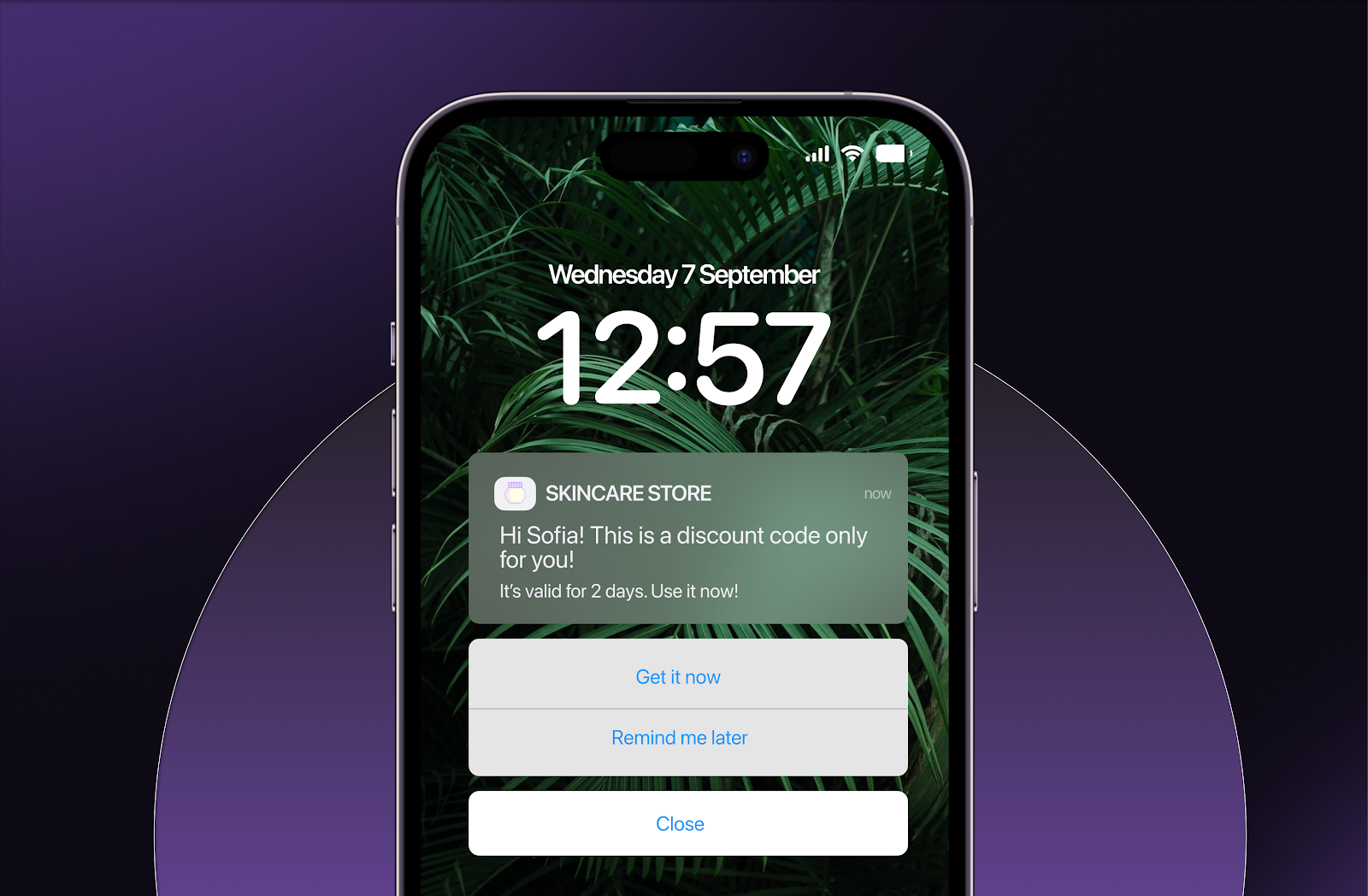
As friction decreases, returning customers move through the purchase experience with confidence and familiarity. Prompts feel timely because they reflect real behavior, and each visit builds trust and habit formation. Over time, this consistency increases purchase frequency and strengthens customer lifetime value.
Mobile app builders like Superfans.io support this by helping brands build mobile apps that carry customer context forward across every visit. This retention infrastructure offers loyalty visibility, early access, lifecycle prompts, and personalised journeys within one continuous environment.
This gives returning customers clear reasons to open the app, re-engage, and complete future purchases without friction.
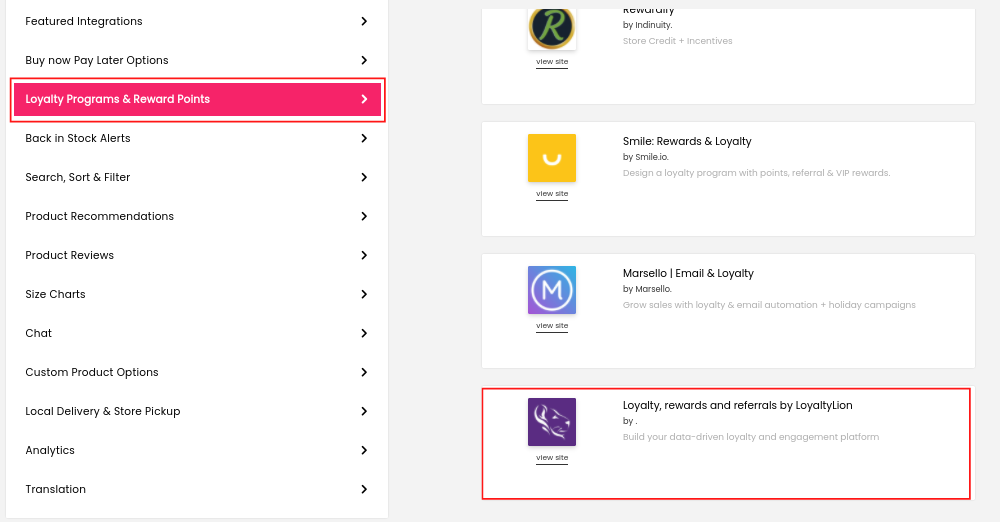
Repeat purchases don’t only grow from reminders. They grow when customers have a reason to reopen your brand between transactions.
Create non-transactional return moments to keep engagement active, so when buying intent returns, your brand is already familiar and top of mind.
Examples of return-driving touchpoints include:
These touchpoints maintain continuity between orders. Customers return out of curiosity, belonging, or anticipation, not just need.
Over time, this reduces the gap between customer purchases, strengthens brand attachment, and increases the likelihood that future buying moments convert quickly and confidently.
Repeat revenue compounds when you identify your strongest customers before they fully mature.
Early segmentation allows you to treat emerging high-value customers differently from the broader base. Instead of waiting for top-tier spend, look for behavioural signals that indicate long-term potential.
Key signals to track:
When you segment early, you can prioritise access, recognition, and lifecycle messaging for customers most likely to compound. As relevance increases, recognition feels earned, and repeat sales increase.
Repeat purchases accelerate when customers don’t have to rethink their decisions.
Use customer data and purchase history to reduce friction and guide shoppers toward familiar choices that already fit their needs. This way, returning customers move from intent to checkout quicker, giving them a smooth experience with your brand.
This simplification shows up across product pages, emails, and owned touchpoints where customers expect continuity.
Here are 5 ways to simplify decision-making for returning customers:
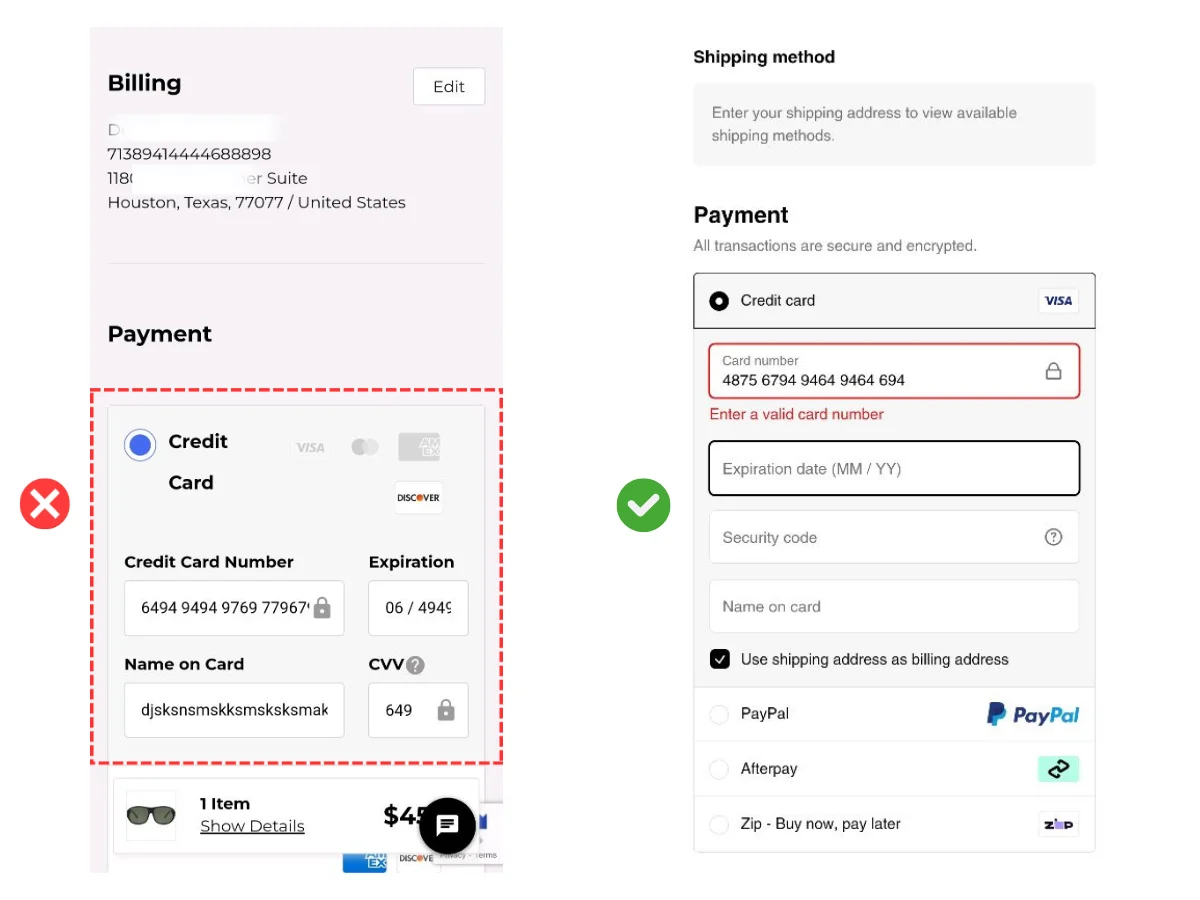
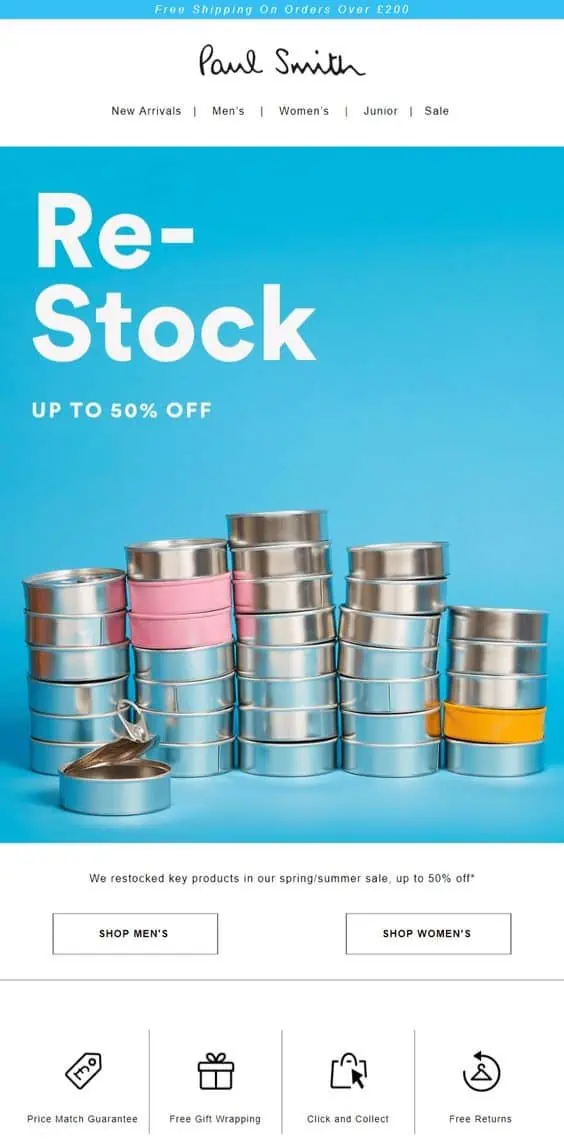
When the experience feels familiar and predictable, cognitive effort drops. Customers complete purchases faster, return more frequently, and build habits around convenience rather than reconsideration.
Repeat purchases grow when customers expect something from you, not just another promotion.
Sustained value gives customers a reason to reopen, revisit, and re-engage between transactions. That value should feel earned, relevant, and time-bound.
Here are a few ways to deliver this value:
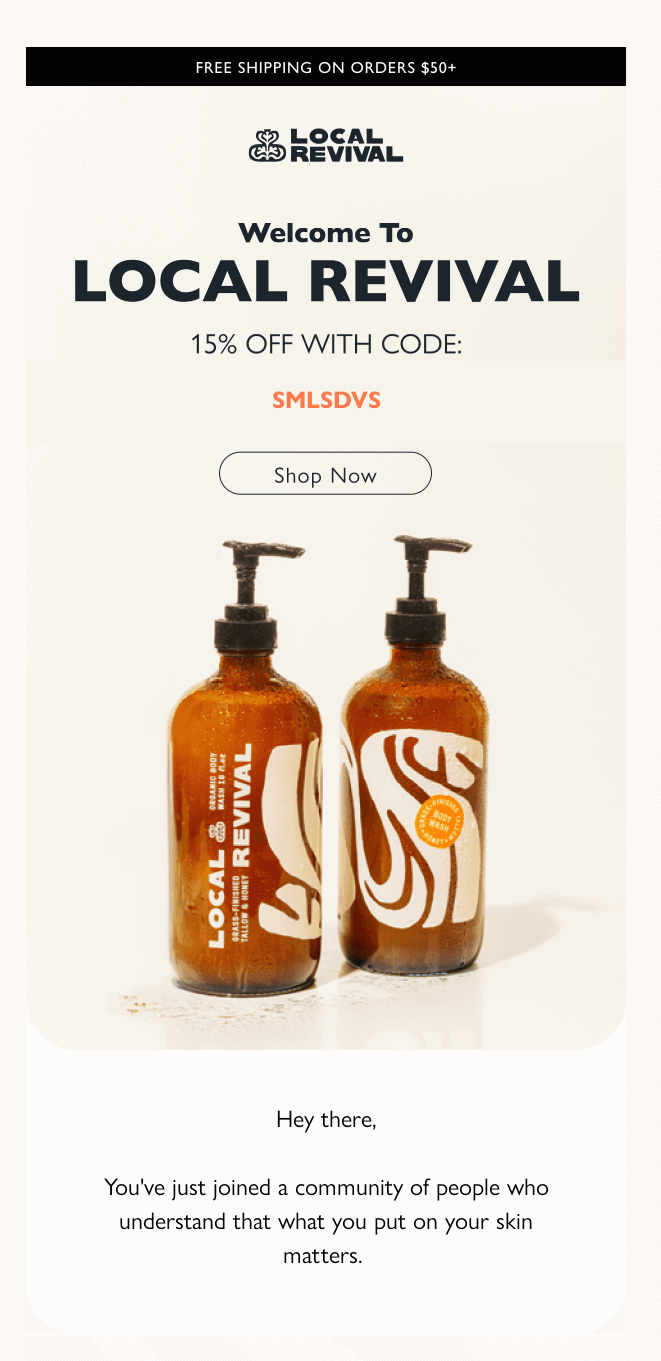
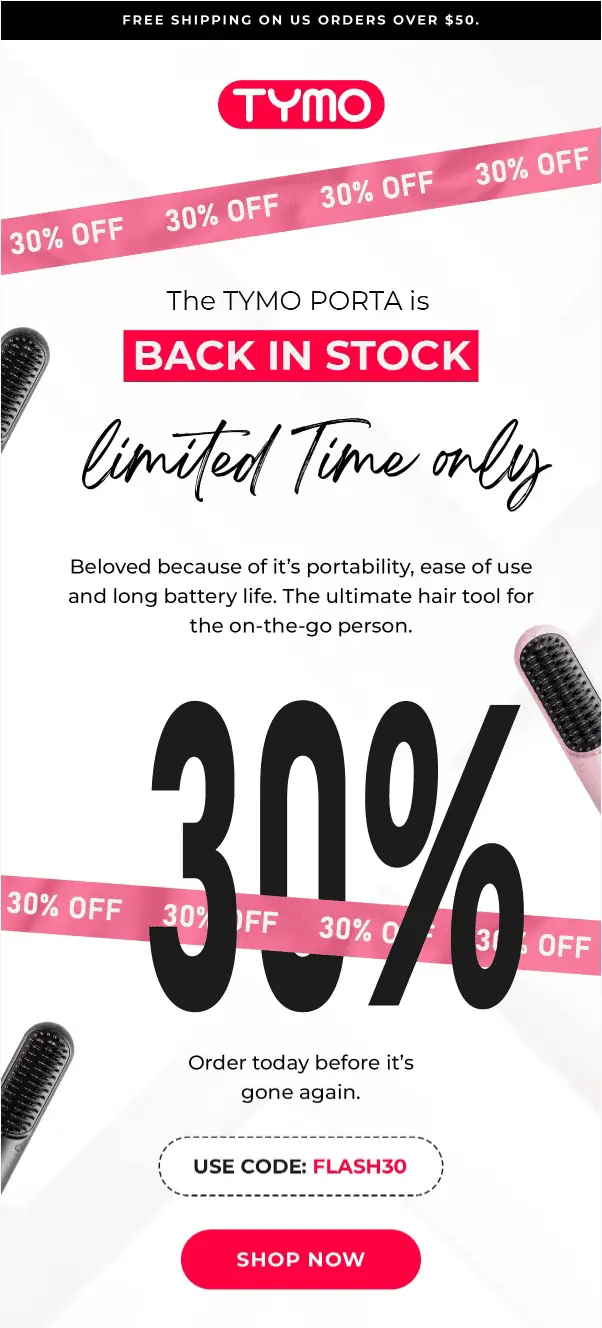
When value is visible and purposeful, customers return with intent. Engagement becomes proactive, trust deepens, and repurchases feel like a natural continuation of the relationship.
Repeat purchases grow through systems that work together. Leading ecommerce brands align timing, relevance, and owned channels to support customers across their lifecycle, from first purchase to long-term loyalty.
Start with one or two strategies that match your current stage, then layer additional touchpoints as customer data and engagement deepen. Each improvement compounds when it builds on existing context rather than operating in isolation.
If a mobile app fits your retention strategy, Superfans.io helps ecommerce teams centralize loyalty, lifecycle messaging, early access, and behavior-driven engagement within a single owned environment. That means clearer paths back to purchase and stronger relationships with returning customers.
Book a demo to see how a mobile app built with Superfans.io can support repeat purchases and long-term retention.
"Looking for creative push notification ideas? Check out our free templates and start customizing!"